A shocking investigation has revealed that popular hair products sold at major retailers like Target and Walmart contain ingredients linked to cancer. This isn't just about a bad batch; it's a recurring pattern of dangerous chemicals, particularly cocamide DEA, lurking in everyday items, and synthetic braiding hair tainted with substances like lead and benzene. Why are these toxins still on shelves, and who is truly being protected when our personal care routines become a health gamble?
The concerns have been simmering for a while, but recent reports have brought the issue to a boiling point. The Center for Environmental Health (CEH), a watchdog group, has been at the forefront, testing products and demanding action. Their latest findings highlight a concerning presence of cocamide DEA, a chemical known to cause cancer, in numerous hygiene products. The implication is stark: every time we lather up with shampoo or wash our hands, we might be unknowingly exposing ourselves and our families to serious health risks.
Read More: India IVF Costs And Social Barriers Limit Access In April 2026
The core issue is the continued presence of known carcinogens in widely accessible personal care products, with evidence pointing to specific retailers and types of hair products.
A Troubling History: From Cocamide DEA to Tainted Braiding Hair
The presence of potentially harmful chemicals in personal care products is not a new phenomenon. For years, consumer advocacy groups have been sounding the alarm about ingredients that, while sometimes providing desired product effects, carry significant health risks.

Cocamide DEA: This chemical, often used as a thickening agent or to create lather in shampoos, soaps, and lotions, has been identified as a probable human carcinogen. The CEH has been particularly active in pushing for its removal from the market, noting its presence in products sold by major retailers like Amazon, Target, and Walmart. Their recent investigation found cocamide DEA in a significant number of hygiene products, raising serious questions about regulatory oversight and corporate responsibility.
Synthetic Braiding Hair: More recently, a separate but equally alarming investigation by Consumer Reports focused on synthetic braiding hair, a popular choice for protective hairstyles, especially within the Black community. Their findings were stark: 100% of the synthetic braiding hair tested contained dangerous chemicals, including carcinogens like benzene and heavy metals like lead. Brands commonly found at retailers were implicated, raising concerns about the safety of these products and the lack of adequate testing before they reach consumers.
This dual threat – harmful chemicals in everyday washes and potentially toxic ingredients in styling products – paints a disturbing picture of the personal care industry. It begs the question: are we adequately protected, or are we part of a long-running, under-reported public health experiment?
The Invisible Threat: Cocamide DEA and Its Hidden Presence
The focus on cocamide DEA (Diethanolamine) by the Center for Environmental Health (CEH) is a critical piece of this ongoing health puzzle. This chemical, often appearing on ingredient lists, has a well-documented association with cancer, yet it persists in products found on the shelves of our most frequented stores.
Read More: RCB Brand Sells Scooters and Bikes in Europe with July 2026 Sales
"Tell Amazon to stop selling shampoos with this carcinogenic chemical!" - Center for Environmental Health (CEH)
The CEH has identified cocamide DEA in a variety of personal care items, including:
Shampoos
Facial care products
Nail care products
Intimate hygiene soaps
Hand soaps
Foot care products
Their investigation specifically flagged products sold on Amazon, Target, and Walmart. This widespread availability means that millions of consumers could be exposed regularly.

| Retailer | Number of Hygiene Products Found with Cocamide DEA |
|---|---|
| Amazon | 28 |
| Target | 1 |
| Walmart | 11 |
The presence of cocamide DEA in 40 distinct products across three major retailers underscores a systemic issue in product vetting and consumer safety.
Why is a known carcinogen allowed to remain a staple in products used daily? What steps are these retailers taking to ensure the safety of the products they sell, beyond the bare minimum?
Braiding Hair Under Fire: Lead, Benzene, and VOCs in Protective Styles
The Consumer Reports investigation into synthetic braiding hair has cast a dark shadow over a popular beauty practice, particularly among Black women. The findings reveal that these products are not just carrying a risk of skin irritation, but are laden with chemicals that can lead to serious, long-term health problems.
Read More: Georgia Toffolo's Lake Como Trip After Fertility Talks
"When synthetic braiding hair test leader James E. All the synthetic braiding hair products we tested contained multiple carcinogens." - Consumer Reports
The study tested various brands and types of synthetic hair, often sold in dark colors, and the results were alarming:

Carcinogens: Chemicals like benzene, a known cause of acute myeloid leukemia, were detected.
Heavy Metals: Lead was found in concerning levels, with some products showing significantly elevated amounts.
Volatile Organic Compounds (VOCs): When heated with styling tools, these products can release dangerous VOCs such as acetone, methylene chloride, and toluene, which have been linked to lung and liver cancers.
The data presented by Consumer Reports shows a disturbing variation in the levels of these harmful substances across different brands and product types.
| Product Type / Brand (Example) | Lead Level | VOCs Detected (Example) |
|---|---|---|
| Flexi Rod Curls Crochet, 14" | 585% | Acetone, methylene chloride, toluene, chloromethane, ethylbenzene |
| Sassy Collection 100% Kanekalon Jumbo Braid | 610% | Acetone, methylene chloride, toluene, chloroform |
| X-Pression 3X Pre-Stretched Braids, 58" | N/A | Acetone, methylene chloride, toluene, benzene, 1,2-dichloroethane |
The ubiquitous presence of dangerous chemicals like lead and benzene in synthetic braiding hair, often marketed to Black women, points to a critical disparity in product safety and potential health risks for this demographic.
The implications are profound. For individuals who rely on these protective styles, often out of cultural significance or professional necessity (given that discrimination based on natural hairstyles is still prevalent), this research suggests a hidden health hazard. The EWG (Environmental Working Group) has previously found that a high percentage of products marketed to Black women are hazardous. This latest report from Consumer Reports adds significant weight to these concerns.
Read More: 2026 Gas Grill Market: Weber Leads, Ninja Offers New Features
The Health Divide: Targeting Women of Color
The findings around toxic chemicals in hair products are particularly distressing when viewed through the lens of the "Health Divide." For years, there have been mounting concerns that beauty products disproportionately marketed to Black women contain a higher concentration of harmful ingredients.
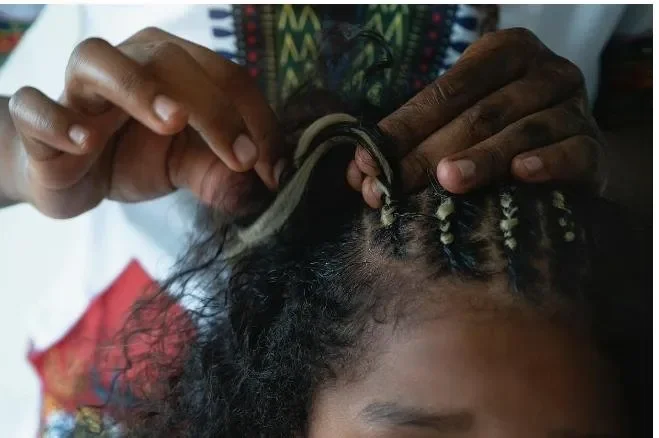
"The Safe Beauty Bill Package would remove ingredients that are known to cause cancer from beauty and personal care hair products, thus protecting women of color and salon workers who are at a high risk of exposure to these ingredients, lawmakers said." - HBCU News
Disproportionate Exposure: Studies, including those by the EWG, have indicated that many personal care products marketed to Black women are moderately to highly hazardous. This exposure can occur not only through direct use but also through the cumulative effect of using multiple products daily.
Legislative Action: Recognizing this crisis, federal lawmakers have introduced bills like the Safe Beauty Bill Package, aiming to ban or regulate dangerous chemicals like lead, mercury, formaldehyde, asbestos, phthalates, and parabens in products largely targeted at Black women and salon workers. These efforts highlight the growing understanding that this is not just a consumer issue but a significant public health concern requiring legislative intervention.
The CROWN Act Context: The fight for safer products intersects with the broader movement for hair inclusivity, as evidenced by the CROWN Act, which prohibits discrimination based on hair texture and hairstyles. This suggests a systemic issue where Black hair is both a target of discrimination and, unfortunately, a vehicle for exposure to harmful chemicals.
The targeting of specific demographics with products containing known carcinogens and toxins raises ethical questions about corporate practices and highlights the urgent need for legislation to protect vulnerable communities.
Why have these disparities persisted for so long? What responsibility do retailers and manufacturers bear in ensuring equitable safety standards across all product lines?
A Call to Action: Demanding Safer Products
The evidence is mounting, and the call for action is becoming louder. Consumers, advocacy groups, and lawmakers are demanding greater accountability from manufacturers and retailers.
Transparency and Regulation: There is a clear need for stricter regulations on the ingredients allowed in personal care products. Consumers should not have to be forensic chemists to understand what they are putting on their bodies.
Retailer Responsibility: Stores like Target and Walmart, as well as online platforms like Amazon, have a moral and ethical obligation to vet the products they sell and remove those containing known carcinogens. The CEH is actively petitioning Amazon to stop selling shampoos with cocamide DEA.
Consumer Empowerment: Resources like the EWG's Skin Deep database and Consumer Reports' investigations empower consumers to make more informed choices. However, the burden of finding safe products should not fall solely on the consumer.
The continued sale of products containing carcinogens like cocamide DEA and toxic substances like lead in synthetic hair indicates a failure in current consumer protection mechanisms, necessitating a multi-pronged approach involving regulatory reform, corporate accountability, and informed consumer action.
Read More: Woman's face went numb: Stroke symptoms missed as migraine in London
The question remains: how long will it take for these persistent threats to be eradicated from our homes, and what more needs to be done to ensure that "beauty" does not come at the cost of our health?
Sources
Daily Mail: Popular hair products contain cancer-linked toxin, investigation findshttps://www.dailymail.co.uk/health/article-15536067/hair-products-Amazon-Target-Walmart-cancer-ingredient.html
Consumer Reports: Dangerous Chemicals Were Detected in 100% of the Braiding Hair We Testedhttps://www.consumerreports.org/health/wigs-hair-extensions/dangerous-chemicals-detected-in-braiding-hair-cr-tested-a4850978424/?msockid=0026893fd8fb61c11beb9fc6d99c6082
Center for Environmental Health (CEH): Tell Amazon to Stop Selling Shampoos with this Carcinogenic Chemicalhttps://ceh.org/tell-amazon-to-stop-selling-shampoos-with-this-carcinogenic-chemical/
Fox32 Chicago: Some synthetic hair brands contain carcinogens, lead, other harmful chemicals, study findshttps://www.fox32chicago.com/news/some-synthetic-hair-brands-contain-carcinogens-lead-other-harmful-chemicals-study-finds
UPI.com: Lead, toxic chemicals found in some synthetic hair design productshttps://www.upi.com/HealthNews/2025/03/04/hair-products-cancer-chemicals/2761741104385/
HBCU News: New Bills Target Toxic Chemicals in Black Hair Productshttps://hbcunews.com/2025/07/18/congress-targets-hair-products-with-cancer-causing-ingredients-marketed-to-black-women/
Center for Health Journalism: The Health Divide: Are hair products marketed to Black women a public health threat?https://centerforhealthjournalism.org/our-work/insights/health-divide-are-hair-products-marketed-black-women-public-health-threat
Sharecare: The potentially cancer-causing chemicals that may be hiding in your beauty productshttps://www.sharecare.com/cancer/cancer-prevention/cancer-causing-chemicals-beauty-products
Life Technology: Consumer Reports Finds Cancer-Causing Chemicals in Hair Productshttps://www.lifetechnology.com/blogs/life-technology-medical-news/consumer-reports-finds-cancer-causing-chemicals-in-hair-products



:max_bytes(150000):strip_icc()/sea-gas-grills-primary-nsimpson-64-655e2d6a0ba84c9391fb8dce44bb0ddb.jpeg)