Canada's vaunted healthcare system is buckling under the weight of unmet needs, with a staggering half of the population reporting they either lack a family doctor entirely or struggle desperately to get timely appointments with the one they have. This isn't just an inconvenience; it's a crisis unfolding in slow motion, leaving millions adrift without consistent primary care. From urgent specialist needs to routine check-ups, the ability to access basic medical services is becoming a luxury, not a right. The implications are dire: delayed diagnoses, worsening chronic conditions, and a system teetering on the brink of collapse. What's truly at stake is the fundamental promise of Canadian healthcare – accessible, quality care for all. But are we still delivering on that promise?
The Great Doctor Drought: A Nation's Cry for Care
Recent polls paint a grim picture of Canada's primary healthcare landscape. The Angus Reid Institute and CTV News, among others, have highlighted a pervasive problem: half of all Canadians are grappling with significant issues accessing a family doctor. This isn't a new phenomenon, but the data suggests it's reaching a critical mass.
Read More: Politicians Who Switch Parties in Canada Face Low Re-election Chances

The Core Problem: Whether it's a complete lack of a family physician or an agonizing wait for an appointment, the result is the same – a critical gap in primary care.
Looking for a Doctor: For those without a doctor, the search is often futile.
Long Waits: One-in-eight Canadians have been searching for over a year, and a concerning 26-45% have given up entirely (Angus Reid Institute, Global News, Vancouver Sun).
Past Searches: A decade ago, 31% looking for a GP had been searching for over a year; now, that number has climbed to 45% (Vancouver Sun).
Struggling with Existing Doctors: Even for those who have a family doctor, the reality is often a battle for timely access.
Wait Times: A significant portion of Canadians report long waits for appointments, with two-in-five women under 55 saying it takes more than a week (Angus Reid Institute).
Urgency: The ability to get seen when needed is crucial, and many are falling short.
The Cascading Consequences of Care Denial
This widespread difficulty in accessing primary care has far-reaching implications, impacting not just individual well-being but the overall health of the Canadian healthcare system. When people can't get in to see their doctor, what happens next?
Delayed Diagnoses: Routine check-ups and early symptom detection are missed, allowing minor issues to escalate into more serious, harder-to-treat conditions. How many Canadians are currently walking around with undiagnosed illnesses because they couldn't get a timely appointment?
Worsening Chronic Conditions: For individuals managing ongoing health issues, a lack of consistent primary care can lead to unpredictable flare-ups and a decline in their health status. Are we creating a generation of sicker Canadians due to these access issues?
Overburdened Emergency Rooms: Without accessible primary care, individuals often turn to emergency departments for non-urgent issues, further straining already stretched resources. This begs the question: are ERs becoming the de facto family doctors for millions?
Mental Health Strain: The stress of navigating a broken system, coupled with the anxiety of unaddressed health concerns, takes a significant toll on mental well-being. What is the unquantifiable cost of this chronic stress on Canadians' mental health?
The Provincial Divide: Uneven Access Across the Map
While the problem is national, its severity and manifestation vary across Canada's provinces. This uneven distribution highlights a systemic issue that isn't being addressed uniformly by provincial governments.

| Province/Region | % Without a Doctor or Struggling with Access | Notes |
|---|---|---|
| British Columbia | 60% (past issues) / 37% (difficult access) | High percentage reporting issues with accessing specialists and diagnostics. |
| Atlantic Canada | 59%-67% | Significantly higher numbers report difficulty or no access. |
| New Brunswick | 61% | Among the highest reporting difficulties. |
| Nova Scotia | 67% | Consistently cited as a high-concern province. |
| Newfoundland & Labrador | 58% | Also facing significant access challenges. |
| Saskatchewan | 22% (highest % without doctor) | Highest proportion of individuals lacking a family doctor. |
| Manitoba | 15% (lowest % without doctor) | Reports the lowest percentage of individuals without a family doctor. |
Regional Disparities: The data clearly shows that Canadians in Atlantic Canada and British Columbia are facing particularly acute challenges (Angus Reid Institute, Global News, Vancouver Sun).
Saskatchewan's Shortage: This province stands out with the highest percentage of residents reporting they do not have a family doctor (Vancouver Sun).
Manitoba's Relative Stability: While still impacted, Manitoba appears to have a slightly better situation concerning the percentage of residents without a doctor (Vancouver Sun).
What explains these stark provincial differences? Are some provinces better at doctor recruitment and retention, or are underlying policy choices at play?
The Doctor's Perspective: Burnout and a System in Peril
It's not just patients feeling the strain; the physicians themselves are increasingly feeling the pressure. A significant number of family doctors report that increased workload and a lack of work-life balance are negatively impacting their mental health.
Read More: Rob James Claims Hair Loss Reversed With Daily Routine, Others Use Minoxidil
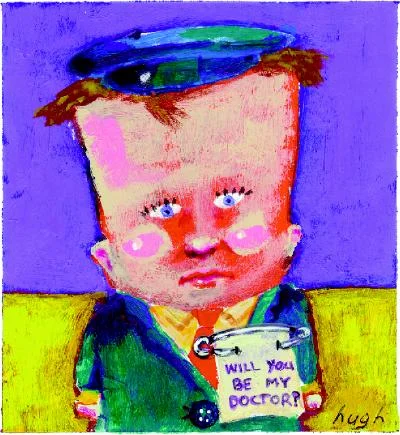
Doctor's Dilemma: 62% of family doctors reported that their mental health has been negatively affected by increased workload and lack of work-life balance (Global News).
The 'Rostering' Debate: Some experts suggest a shift towards automatically rostering patients to local primary care teams, while still allowing some patient choice. Would this alleviate pressure, or further limit patient autonomy? (PMC)
Retiring Doctors, No Replacements: A critical concern is the looming retirement of family doctors with no one lined up to take their place. How many more doctors need to leave the profession before governments take decisive action? (Angus Reid Institute)
The Unseen Toll: What About Mental Health, Dental, and Vision?
The current crisis is primarily focused on access to family doctors, but the need for broader healthcare reform is evident. Many Canadians, particularly those from marginalized communities, struggle with accessing a full spectrum of care.
Expanding Medicare: There are calls to expand Canada's Medicare system to include mental health, eye care, dental care, and medications (PMC).
Vulnerable Populations: Racialized individuals, those with lower incomes, and people in poor health are disproportionately less likely to have a regular primary care provider (PMC). This raises serious equity concerns within our healthcare system. Are we failing our most vulnerable citizens?
Social Determinants: Experts emphasize the need for better links between primary care and community agencies to address social determinants of health like poverty and housing (PMC). How much does our socio-economic status dictate our ability to access basic healthcare?
The Virtual Divide: A Mixed Bag for Access
The rise of virtual medicine, accelerated by the pandemic, was seen by some as a potential solution to access issues. However, Canadians' experiences with virtual care are mixed, highlighting its limitations as a sole remedy.

Mixed Feelings: Survey respondents have expressed "mixed feelings" about virtual care, suggesting it's not a universal panacea (PMC).
Virtual vs. In-Person: While Canadians are more likely than Americans to see their GP virtually, this convenience doesn't necessarily equate to better overall access or a substitute for in-person care when needed (Angus Reid Institute).
Relationship Matters: For many Canadians, the strength of their relationship with their healthcare provider is paramount, and virtual care can sometimes feel impersonal or insufficient for complex issues (PMC). Can a virtual doctor truly replace the trust and continuity of a long-term, in-person relationship?
Beyond the Numbers: The Human Cost
These statistics represent real people facing real challenges. Consider the individual who delays seeking help for a concerning symptom, fearing they won't be able to get an appointment. Think of the parent struggling to manage a child's chronic illness without consistent medical guidance. These are not abstract figures; they are our neighbours, our families, and ourselves.
The Search Continues: Millions of Canadians are actively searching for a family doctor, facing long wait times and dwindling hope. (CBC News)
Lost to the System: Some Canadians, frustrated by endless searches, have simply given up, leaving them vulnerable to health crises. (Global News)
What is the breaking point? How many more Canadians must struggle or go without before we see systemic, meaningful change? The evidence is clear: Canada's healthcare system is facing a profound crisis of access, and the time for decisive action is long overdue.
Read More: Canada Alone in G7 Without Oil Reserve as Global Shortages Hit
Sources:
Angus Reid Institute:
Health Care Access: Half of Canadians either don’t have a family doctor or struggle to see the one they have (Published: 1 day ago)
Family Doctor Shortage in Canada: Access to Care Remains a Growing Concern (Published: May 21, 2024)
CTV News:
Health care on the brink: Half of Canadians have issues accessing family doctor (Published: 15 hours ago)
Global News:
Half of Canadians do not have a doctor, or battle for appointments: survey (Published: August 17, 2023)
Vancouver Sun:
Half of Canadians don't have a family doctor or can't make timely appointments: poll (Published: 16 hours ago)
PMC (PubMed Central / National Institutes of Health):
National survey highlights worsening primary care access (Seen on Brave)
Stats Can: 14% of Canadians have no family doctor (Seen on Brave)
Winnipeg Sun:
Healthcare crisis in Canada: Half can't find a doctor (Published: 17 hours ago)
CBC News:
Half of Canadians find it difficult to access a doctor or have no access at all: poll (Published: September 8, 2022)
Meet some of the 6 million Canadians who don't have a family doctor (Published: February 19, 2024)