


The U.S. Supreme Court has invalidated certain tariffs imposed under the International Emergency Economic Powers Act (IEEPA), paving the way for some businesses to seek refunds. However, the path to actually receiving that money is fraught with uncertainty, and many small business owners are skeptical they will recoup their losses, citing protracted legal battles and potential administrative hurdles.

A recent court order directed the government to begin paying billions in refunds to importers who were charged tariffs deemed unlawful. The ruling, which struck down the tariffs as exceeding presidential authority, has led to demands for "full, fast and automatic" reimbursements from affected companies, including restaurants, manufacturers, and retailers. Despite the court's decision, the administration's response regarding the repayment of collected tariff revenue remains unclear, with some suggesting a lengthy court process could ensue.
Read More: Nigel Farage Invests £215,000 in Kwasi Kwarteng's Bitcoin Firm Stack BTC

Refunds Emerge as a Complex Issue
While the Supreme Court's decision offers a potential avenue for financial recovery, the practicalities of obtaining refunds present significant challenges. Businesses that did not directly pay the tariffs are ineligible, and refunds are specifically tied to tariffs levied under the IEEPA. This has led to a scramble for information and a cautious outlook among those who believe they are owed compensation.
Some business owners, like Dr. Charlie Elrod, who founded a company producing natural health products for livestock, have already absorbed the financial blow. He faced significant tariff costs and tried to delay price increases, but the economic impact has been substantial. Similarly, Ian Rosenberger of the backpack company Day Owl found his business burdened with tens of thousands of dollars in tariffs.
Doubt and Delays Plague Recovery Hopes
The prospect of actually seeing any tariff money returned is met with considerable doubt. Many business owners worry that even if refunds are eventually processed, the lengthy and potentially expensive legal processes involved could diminish the value of the money received. For some, like Siegel of ECR4Kids, a protracted court battle could render refunds less useful for addressing existing inventory issues.
Read More: Supreme Court Questions Criminality of 'Jai Shri Ram' Slogans in Mosque
Furthermore, the broader economic damage inflicted by these tariffs may not be entirely reversible, even with financial restitution. The uncertainty surrounding the tariffs persists, with suggestions that the administration could potentially reintroduce similar measures under different legal frameworks.
Background: The Tariff Landscape
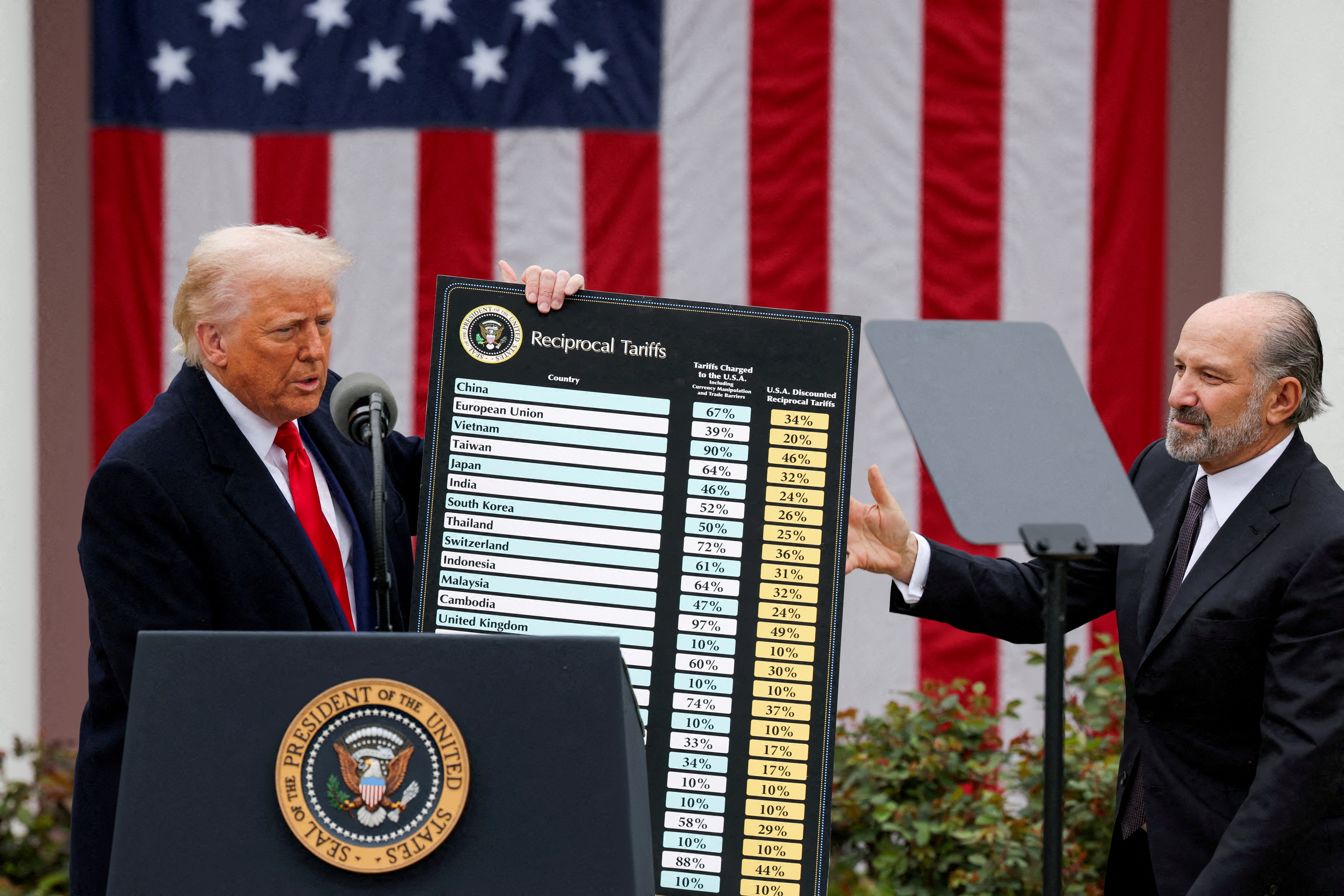
The tariffs in question were enacted under President Donald Trump's administration, leading to financial strain for numerous small businesses. The legal challenge culminated in a Supreme Court ruling that questioned the executive's authority in imposing these trade restrictions. The case highlights a tension between presidential powers in foreign trade and the economic realities faced by domestic businesses. Companies like Costco, Revlon, and Goodyear Tires were among those that had already engaged in legal efforts to secure their refund rights prior to the Supreme Court's final decision. A group named "We Pay the Tariffs" has been vocal in their demand for swift repayment.
Read More: Vizio Accounts Become Walmart Accounts: What Happens to Your Data?