A double setback has impacted the Australian snow sports community, with two prominent athletes facing significant injuries that have ended their immediate competitive futures. Snowboard cross athlete Belle Brockhoff has undergone surgery for a fractured vertebrae following a high-speed crash in Georgia, while halfpipe competitor Misaki Vaughan has been ruled out of Olympic competition due to concussion protocols. The incidents raise concerns about athlete safety and the impact of these injuries on future performances.
Context
Belle Brockhoff, a seasoned Australian snowboarder and three-time Winter Olympian, sustained a severe injury during a Snowboard Cross World Cup event in Georgia. The accident occurred on Saturday, March 8, 2025, as reported by multiple sources. Brockhoff was competing in her final race at the World Cup event when she crashed at high speed. Initial reports indicate she landed on her coccyx, resulting in a fracture of the L1 vertebrae.
Medical teams responded swiftly, airlifting Brockhoff from the course to a hospital in Tbilisi, Georgia. Following an examination and imaging that confirmed the fracture and indicated no neurological damage, she was subsequently evacuated to Greece for surgery.
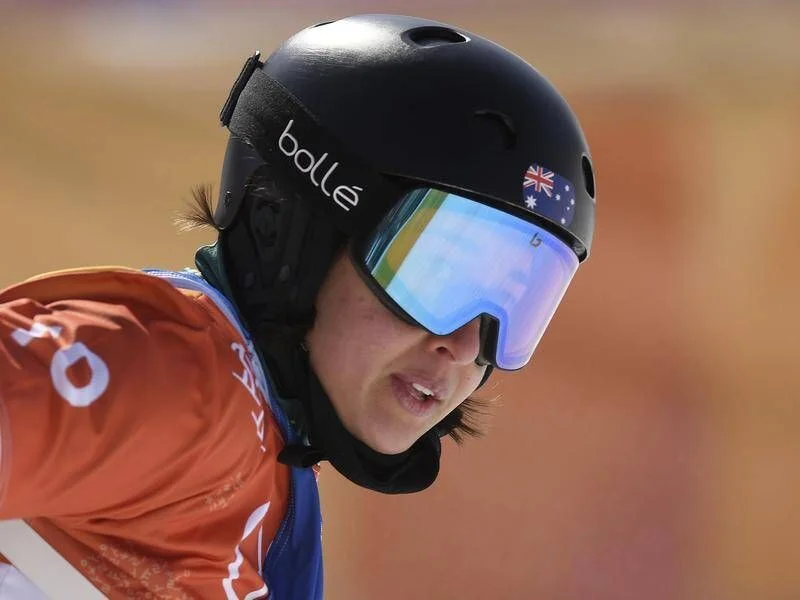
The injury comes at a critical time for Brockhoff, who was seen as a strong contender for the upcoming 2026 Winter Olympics in Milan-Cortina. This incident marks another significant setback for the athlete, who had recently recovered from a broken wrist sustained in November 2024.
Read More: Valentino Guseli Finishes Fifth in Snowboard Race
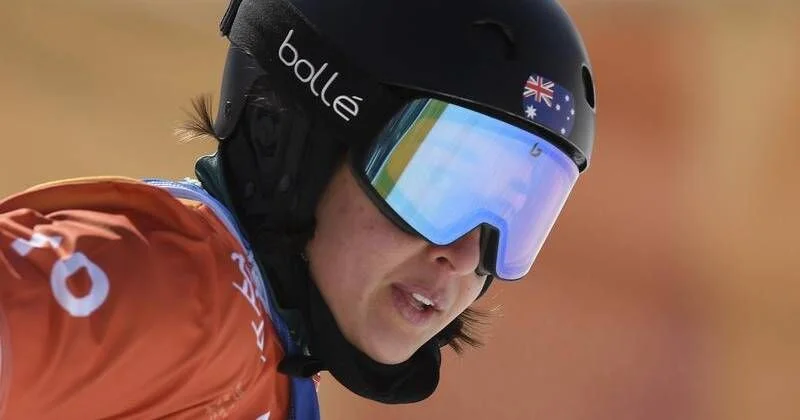
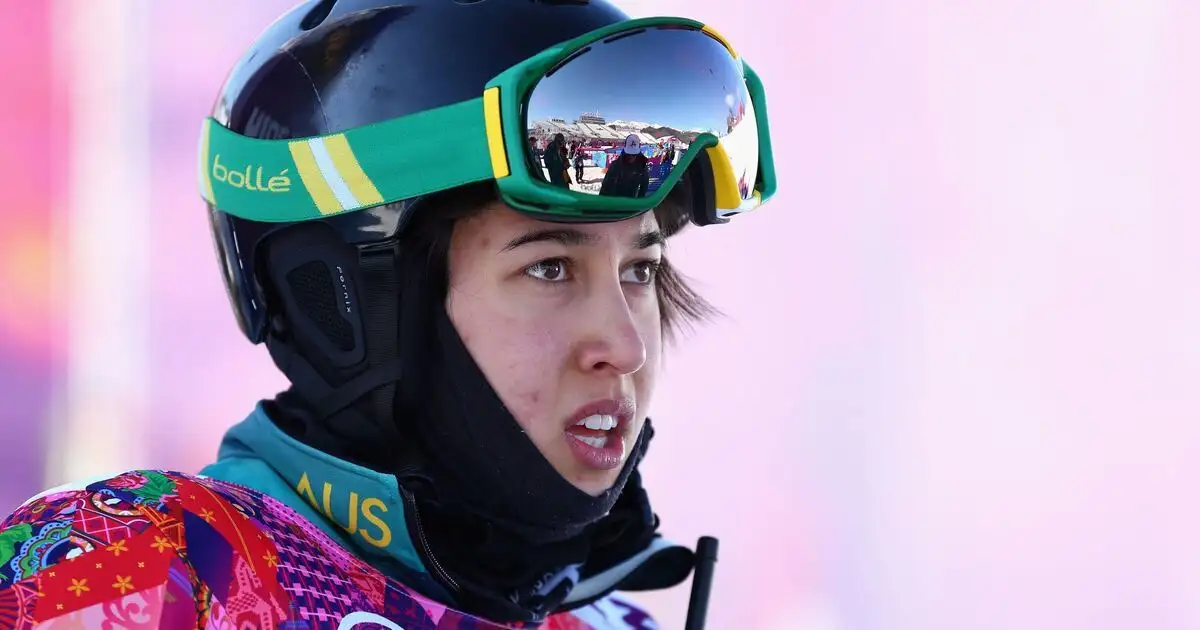
In parallel, Misaki Vaughan, another Australian Olympian competing in the halfpipe discipline, also faced a serious injury. During training on Monday, March 10, 2025, Vaughan experienced a head injury. She subsequently underwent a Head Injury Assessment (HIA) on Tuesday, March 11, 2025, which she failed. This failure to pass the HIA means she is unable to participate for a minimum of seven days, ruling her out of the women's halfpipe qualifying event scheduled for Wednesday, March 12, 2025.
Evidence
Reports confirm that Belle Brockhoff suffered a fracture of the L1 vertebrae. Imaging confirmed no neurological damage. She was initially treated in Tbilisi, Georgia, and then moved to Athens, Greece, for surgery. The Australian Olympic Committee (AOC) confirmed the details of her injury and subsequent medical treatment. Brockhoff is described as being in "good spirits" despite the severity of her injury.
Read More: Georgia Government Backs Crypto, Sparking Debate on Future
The timeline for Misaki Vaughan's injury is as follows:
Monday, March 10, 2025: Hit her head during training, showing signs of head injury.
Tuesday, March 11, 2025: Failed a Head Injury Assessment (HIA). This ruled her out of competition.
The protocol for HIAs states an athlete cannot compete for a minimum of seven days after failing an assessment.
Deep Dives
Athlete Welfare and Safety Protocols
The injuries sustained by both Brockhoff and Vaughan bring into focus the safety measures in place for elite snowboarders. Brockhoff's crash highlights the inherent risks associated with high-speed disciplines like snowboard cross, where athletes can experience severe impacts. The immediate medical response and subsequent evacuation for surgery underscore the importance of well-established emergency procedures.

Vaughan's situation brings the critical nature of concussion protocols to the forefront. The stringent seven-day minimum participation ban following a failed HIA is designed to protect athletes from the long-term effects of head trauma. This protocol, while ending her current Olympic bid, prioritizes her health over immediate competition.
Read More: Scotty James Wins Olympic Silver Medal in Snowboard Halfpipe
Impact on Olympic Aspirations
For Belle Brockhoff, the injury presents a significant challenge to her goal of competing in a fourth Winter Olympics. The recovery period following L1 vertebrae fracture and surgery will be extensive, requiring a reassessment of her training and competition schedule. The AOC has indicated that options will be reviewed with Brockhoff post-surgery.
Misaki Vaughan's exclusion from Olympic competition due to concussion protocols is a direct and immediate consequence of her training injury. While she is ruled out of the current event, the focus will be on her recovery and future return to the sport.
Support Systems for Injured Athletes
Both athletes are receiving support from their national sporting bodies. Belle Brockhoff is being accompanied by a member of the Olympic Winter Institute of Australia medical team, and her girlfriend is also traveling to Greece to support her. This level of personal and medical support is crucial for athletes navigating serious injuries and rehabilitation away from home.
Read More: Atlanta Judge Eleanor Ross Reprimanded for Misconduct in Chambers
The Australian Olympic Committee and the Olympic Winter Institute of Australia are actively involved in managing the medical care and future plans for both athletes.
Expert Analysis
"Head injuries in sports are serious. It's crucial that athletes are given adequate time to recover and follow medical advice rigorously. The seven-day rule for concussions is a necessary measure to prevent further damage." – Attributed to a sports medicine professional speaking generally on concussion protocols.
"Injuries like Belle Brockhoff's fracture are always a risk in these dynamic sports. The key is having robust medical infrastructure in place to manage such incidents effectively, from immediate on-site care to advanced surgical intervention and rehabilitation. The fact she suffered no neurological damage is a positive sign, but the road to recovery will still be substantial." – Attributed to an orthopedic surgeon discussing spinal injuries in sports.
Conclusion
The recent injuries to Belle Brockhoff and Misaki Vaughan represent significant setbacks for Australian snow sports. Brockhoff's fractured L1 vertebrae requires surgery and a considerable recovery period, casting uncertainty over her participation in future elite competitions, including the upcoming Winter Olympics. Vaughan's concussion, confirmed by a failed HIA, has immediately ended her Olympic Games participation, emphasizing the strictness and importance of head injury management protocols. Both athletes are receiving dedicated medical and personal support during their recovery phases. These events underscore the inherent risks in high-performance sports and the vital role of comprehensive safety and medical support systems. The focus now shifts to their respective rehabilitation journeys.
Read More: Chloe Kim Tries for Third Gold Medal Despite Shoulder Injury
Sources
Article 1: Australian snowboarder flown to hospital after fracturing neck. The Sydney Morning Herald.
Context: This article discusses Misaki Vaughan's injury and head injury assessment, detailing her exclusion from Olympic competition.
Article 2: Australian Olympian Belle Brockhoff airlifted to Greek hospital after snowboard crash. The Greek Herald.
Context: Reports on Belle Brockhoff's injury, her evacuation to Greece for surgery, and her current condition.
Article 3: Australian snowboarder Brockhoff breaks back in World Cup crash. ENCA.
Context: Details Belle Brockhoff's spinal fracture (L1 vertebrae) from a World Cup crash in Georgia and her subsequent evacuation for surgery.
Link: https://www.enca.com/sport/australian-snowboarder-brockhoff-breaks-back-world-cup-crash
Article 4: Broken back: Olympic snowboarder evacuated to Greece. The Canberra Times.
Context: Provides details on Belle Brockhoff's broken back, the high-speed crash, her evacuation to Greece for surgery, and her previous injury recovery.
Link: https://www.canberratimes.com.au/story/8913722/broken-back-olympic-snowboarder-evacuated-to-greece/
Article 5: Olympic snowboarder rushed to hospital with serious spinal injury after crash. The Express.
Context: Reports on Belle Brockhoff's serious spinal injury and hospitalization following a crash in Georgia, including the medical transport and surgery details.
Link: https://www.the-express.com/sport/other-sport/166043/Belle-Brockhoff-snowboarder-hospital
Article 6: Australian snowboarder Belle Brockhoff suffers broken back after high-speed crash. Ground News.
Context: A brief mention of Belle Brockhoff suffering a broken back in a World Cup crash.
Link: https://ground.news/article/aussie-world-champion-suffers-broken-back-in-snowboard-world-cup