Brennan Lee Mulligan, a figure well-known in the tabletop role-playing game circuit, has stepped into the pivotal role of Dungeon Master for Critical Role's fourth campaign, a move that signals a deliberate shift for the long-running Dungeons & Dragons series. The campaign, which debuted on October 4, 2025, features an unprecedented 13 players divided into three distinct parties, charting a course in a "West Marches" style of play. This structure, a departure from more linear narratives, allows for interconnected stories and potentially deeper dives into player-driven exploration. Mulligan's appointment, confirmed by the show's producers on August 4, 2025, brings his considerable experience from Dimension 20 to the forefront, promising a distinct stylistic approach. The inclusion of Matthew Mercer, the series' usual Dungeon Master, as a player in this new campaign underscores the foundational changes being implemented.

Acknowledged Innovations in Gameplay
Mulligan has wasted no time introducing notable alterations to established gameplay mechanics. For instance, the transition from levels three to four in the campaign has seen the implementation of revised rules for leveling up. This change addresses the common player struggle of option paralysis when presented with new feats or ability score improvements, aiming to streamline decision-making and maintain narrative momentum. Reports suggest Mulligan has incorporated a new approach to setting difficulty classes (DCs) for in-game challenges, a detail that has apparently prompted some Dungeon Masters to re-evaluate their own methods. This suggests a deliberate effort to inject freshness and potentially heightened stakes into the player experience, moving away from predictable outcomes.
Read More: LEGO Batman Legacy of the Dark Knight Xbox Early Access Leak May 2026
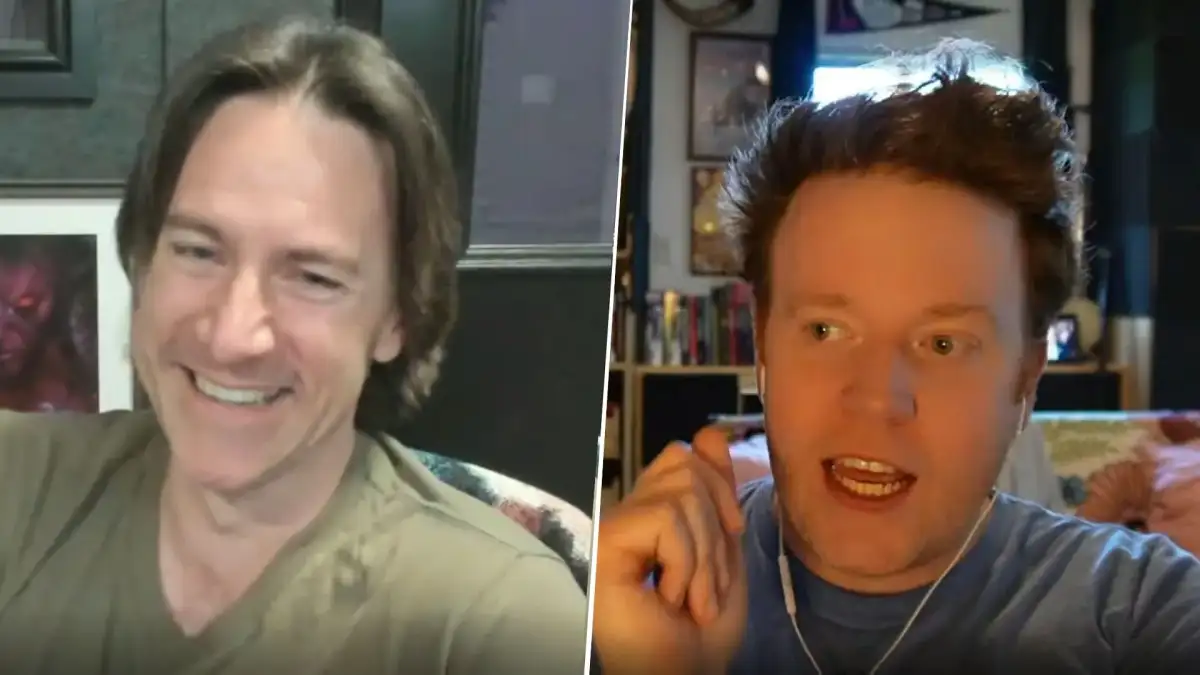
Shaking Up the Sandbox
The narrative approach for Campaign 4 appears to diverge significantly from prior seasons. Instead of the expected build-up of excitement and adventure, Mulligan has reportedly introduced an immediate sense of danger and consequence from the outset. This intensified tone, combined with the sprawling "West Marches" structure and the large player count, marks Campaign 4 as a bold experiment. Mulligan, operating within what is described as Mercer's established "sandbox," is clearly bringing his own distinct creative vision, aiming to build "different castles." This initiative has apparently recaptured the attention of viewers who may have drifted, suggesting a renewed sense of engagement with the series' long-form storytelling.
Mulligan's Established Pedigree
Brennan Lee Mulligan is not a newcomer to the D&D landscape. His tenure as showrunner for Dropout's Dimension 20 has cultivated a significant following and a reputation for creative dungeon mastering. His involvement with Critical Role is not entirely new, having previously playtested game mechanics with his character "Deadeye" for the Explorer's Guide to Wildemount, and appearing in various Critical Role productions, including guest appearances on spin-off series like Exandria Unlimited: Calamity and Wildemount Wildlings. His prior contributions, including a notable monologue that served as a prologue for a later Critical Role special, highlight a pre-existing rapport with the Critical Role production. The transition to DM for a main campaign, however, represents a significant escalation of his role within the Critical Role universe.
Read More: Ne-Yo Loses Deals Over Polyamorous Lifestyle
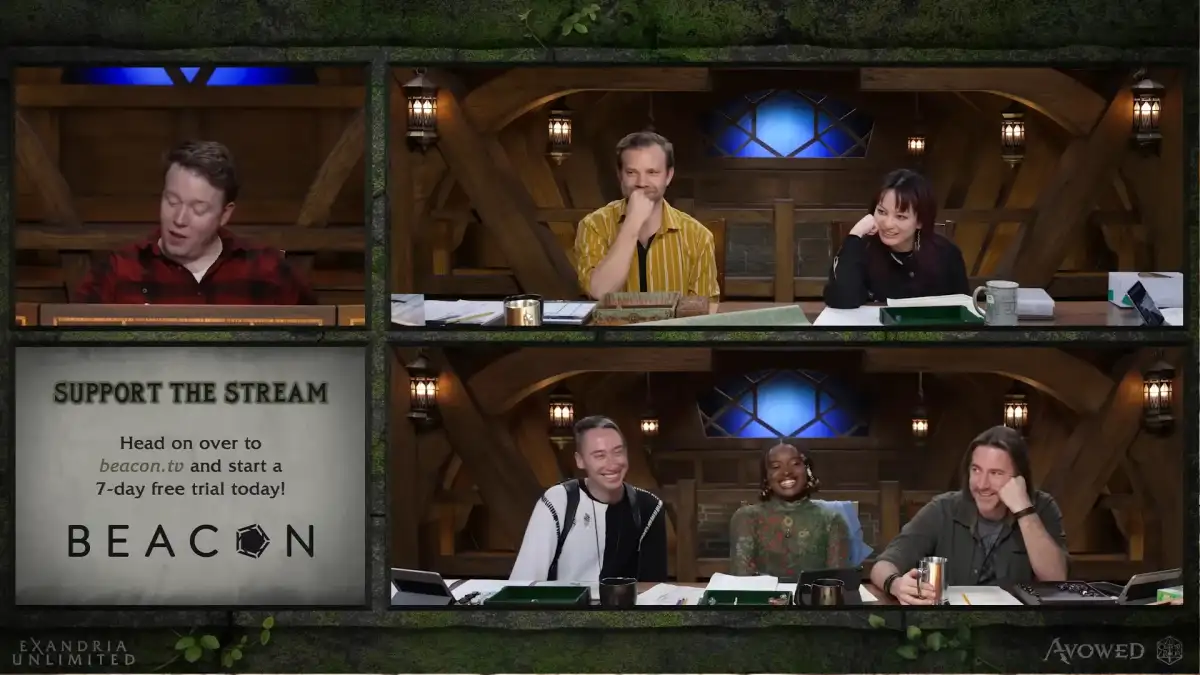
Background: The Mercer Effect and Evolving Dynamics
The landscape of popular D&D content has been heavily influenced by the "Mercer Effect," an informal term describing the high expectations placed on Dungeon Masters to possess professional-grade world-building and role-playing skills, largely inspired by Matthew Mercer's mastery of the craft. Mulligan's appointment comes at a time when Critical Role itself is exploring new creative territories, including the release of its own tabletop role-playing game, Daggerheart, through its imprint Darrington Press. The series' move towards a more complex, multi-party structure with a new lead DM suggests a strategic evolution designed to maintain relevance and audience engagement within the competitive streaming entertainment space.
Read More: Guerrilla Games Co-Founder Plans New European Game Engine