BRADFORD, UK – A grim new title has been bestowed upon the historic city of Bradford: the "worst place to live in Britain" for 2026. This declaration, emerging from recent surveys, paints a stark picture of a city struggling with escalating crime rates, with reports suggesting they are a staggering 90% above the national average. But is this label a fair reflection of Bradford's complex reality, or just another sensational headline in a sea of urban critiques? As a critical investigative journalist, I'm compelled to dig deeper, to question the metrics, and to understand what truly lies beneath the surface of this "historic" city's troubled reputation.
The Shadow of Statistics: Crime and Dissatisfaction
Recent reports have thrust Bradford into the unwelcome spotlight, labelling it the "worst place to live in Britain" in 2026. The primary driver for this damning assessment appears to be crime rates, which have reportedly surged, reaching a point 90% above the national average. This statistic, while alarming, demands closer scrutiny. What specific types of crime are most prevalent? Are we talking about petty theft and anti-social behaviour, or more serious violent offences?
Read More: Soham Killer Ian Huntley Dies After Prison Assault in HMP Frankland
"Data from Numbeo shows that crime rates in Bradford have increased over the last five years." - Express.co.uk
The sentiment on the ground seems to echo these concerns, with surveys indicating deep dissatisfaction among residents regarding crime, transport links, and local services. The feeling of unsafety, fueled by rising theft and anti-social behaviour, is a recurring theme. But how widespread is this feeling? Does it permeate every neighbourhood, or are certain areas disproportionately affected?

The core issue appears to be a significant increase in crime, making residents feel unsafe.
A History of Labels: "Worst Places" and Urban Rehabilitation
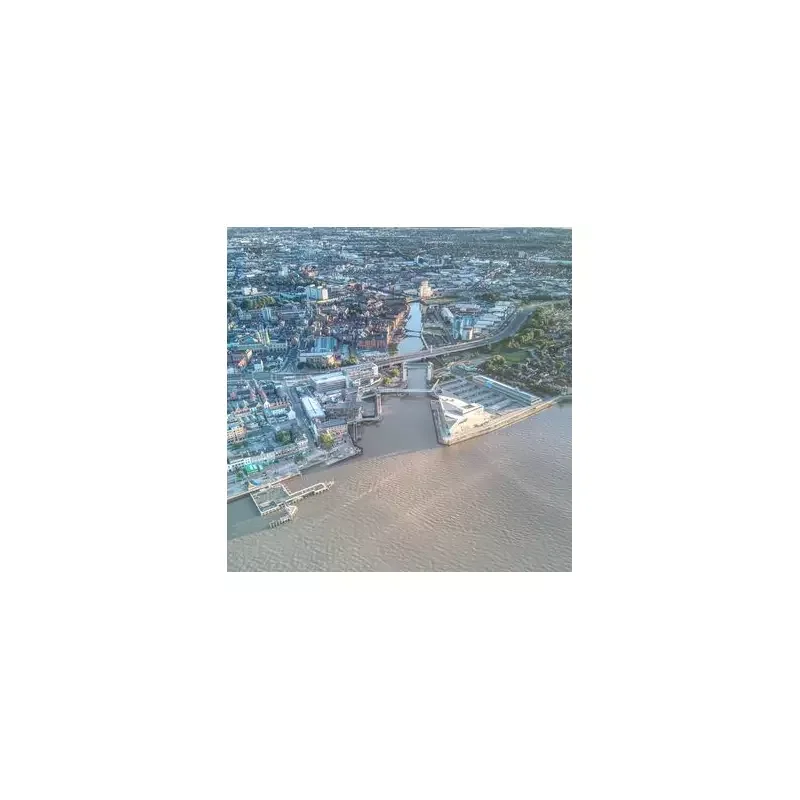
Bradford isn't the first city to be labelled the "worst place to live." This moniker has been applied to various UK towns and cities over the years, often based on a combination of factors. A striking parallel can be drawn with Hull, a city that, over a decade ago, was described in a book titled Crap Town as a "sad story of unemployment, teenage pregnancy, heroin addiction, crime, violence and rampant self-neglect." Yet, by 2025, Hull had undergone a remarkable transformation, landing a spot on National Geographic's top 25 best global destinations.
Read More: Remote Youth Face Fewer Jobs Than City Youth, New Study Shows
| City | Past Label | Current Status/Recognition | Key Transformation Factors (Implied) |
|---|---|---|---|
| Hull | "UK's worst town" (decade ago); Crap Town critique | National Geographic's top 25 global destinations (2025) | Revitalisation of museums, historic ship, Marina |
| Bradford | "Worst place to live in Britain" (2026) | Facing high crime rates (90% above average) | ? |
The example of Hull demonstrates that a city labelled as one of the worst can undergo significant positive change, suggesting that current negative perceptions are not necessarily permanent.

This stark contrast begs the question: what catalysts drove Hull's turnaround, and are there lessons that Bradford, or any city facing similar criticisms, could learn from? Is Bradford currently in a similar cycle of decline, or are there nascent signs of revitalization that are being overshadowed by the current negative narrative?
Beyond the Headlines: The Nuances of Urban Life
While crime statistics and survey results form the backbone of these "worst place" declarations, it's crucial to remember that cities are not monolithic entities. Bradford, despite its industrial past and current challenges, is described as a historic city with stunning Victorian architecture. This duality is key. Most people, when assessing a place, acknowledge that "there are both nice areas and less nice areas."
Read More: Ian Huntley, Soham Killer, Dies After Serious Prison Attack in HMP Frankland
The Economic Landscape: What are the underlying economic factors contributing to the current situation? High unemployment, lack of investment, or a declining industrial base can often correlate with increased crime and social issues.
Social Cohesion: How are community programs faring in Bradford? Are there initiatives aimed at fostering social cohesion and providing opportunities, particularly for young people?
Local Governance: What is the local council doing to address these issues? Are there concrete plans in place, and how effective have past initiatives been?
The "Numbeo" Factor: Numbeo, a crowdsourced global database, is cited for its crime data. How is this data collected and verified? Is it representative of the entire city, or specific pockets?
"Most people note that, like many other parts of the UK, there are both nice areas and less nice areas in the city." - Express.co.uk
The existence of "nice areas" alongside less desirable ones is a reality in almost every urban centre. The critical question is the extent of the imbalance and the trend of that imbalance. Is Bradford's historical charm being overshadowed by a persistent decline in quality of life, or is the narrative being overly simplified?
A Question of Perspective: What Constitutes "Livability"?
The definition of "worst place to live" is subjective and multifaceted. While crime rates are a significant concern, other factors frequently cited include underperforming schools, limited cultural diversity, poor public transport, and a high cost of living.
| Factor | Bradford | Peterborough (Similar Critiques) |
|---|---|---|
| Crime Rates | 90% above average (reported) | High crime rates reported |
| Schools | Not explicitly mentioned in Bradford data | Underperforming schools |
| Transport | Poor public transport cited generally | Overcrowded transport networks cited |
| Economic Issues | Not explicitly detailed | Unemployment, high cost of living cited |
| Cultural Diversity | Not explicitly mentioned in Bradford data | Limited cultural diversity |
| Overall Sentiment | Deep dissatisfaction | Residents remain pessimistic (general survey) |
The "worst place to live" label often consolidates multiple grievances, with crime being a prominent but not sole determinant.
Read More: Kalaburagi Women Urged to Lead Environmental and Health Solutions
The reports mention Peterborough facing similar challenges: high crime, underperforming schools, and limited cultural diversity. Another article notes Portsmouth grappling with high crime rates and economic hardship behind its "seaside charm." These common threads suggest systemic issues that extend beyond any single city.

Why are these specific issues, like underperforming schools and limited cultural diversity, so critical in the perception of a city's livability? Are these issues unique to these "worst" cities, or are they prevalent across many UK urban areas, but amplified in these particular contexts? Furthermore, how do these criticisms intersect with the historic architecture and industrial past mentioned in relation to Bradford? Does the city's heritage offer potential for regeneration, or does it stand in stark contrast to its current struggles?
Expert Voices and Future Trajectories
Experts often point to investment in infrastructure and community programmes as potential solutions. But for residents feeling unsafe and underserved, these suggestions can sound hollow without tangible action.
Read More: Prisoner Charged in Ian Huntley Murder; Funeral Costs Cause Debate
"Experts suggest investment in infrastructure and community programmes might help, but for now, residents remain pessimistic." - Britbrief.co.uk
The question remains: Who is investing, and where? Are national government policies adequate to address the root causes of urban decline? Are local authorities equipped with the resources and autonomy to implement effective community-driven solutions?
The narrative of a city being "worst" is powerful. It can deter investment, impact property values, and contribute to a downward spiral of negativity. Conversely, the narrative of Hull's transformation shows the potential for a positive shift.
The effectiveness of "investment in infrastructure and community programmes" is a critical point for future improvement, but current pessimism among residents suggests a gap between proposed solutions and experienced reality.
Unanswered Questions:
What specific, measurable actions are being taken by local and national government to combat rising crime in Bradford?
Are there existing community initiatives in Bradford that are showing promise, and how can they be scaled up?
How does Bradford's historic status and architectural heritage play into potential regeneration strategies?
What are the long-term economic projections for Bradford, and what diversification strategies are in place?
Beyond the surveys, what is the lived experience of residents across different socio-economic groups and neighbourhoods in Bradford?
Until these questions are thoroughly investigated and addressed, the label of "worst place to live" risks becoming a self-fulfilling prophecy, overshadowing the resilience and potential that undoubtedly exist within Bradford's historic streets.
Read More: Brad Rimmer Photographs Western Australia Wheatbelt Town Halls Disappearing
Sources:
Express.co.uk: https://www.express.co.uk/news/uk/2167524/historic-uk-city-worst-live-britain
Britbrief.co.uk: https://britbrief.co.uk/weather/travel/uks-worst-city-to-live-in-revealed.html
Eufy.com: https://www.eufy.com/uk/blogs/security-camera/worst-places-to-live-in-england
Dailymail.co.uk: https://www.dailymail.co.uk/news/article-15228633/Hull-UKs-worst-town-destinations-visit-WORLD.html
Express.co.uk: https://www.express.co.uk/news/uk/2112038/top-10-worst-places-live-britain-2025
Express.co.uk: https://www.express.co.uk/news/uk/2148704/13-uk-towns-constantly-appear-lists-britain-worst-place