

/newsfirstprime/media/media_files/2026/03/12/catering-1-2026-03-12-22-56-41.jpg)
Since March 9, the steady flow of commercial LPG has vanished from Bengaluru’s industrial veins, forcing a jagged halt to food production across the city. The sudden stillness in gas pipes has pushed restaurants to shutter stoves and wedding caterers to slash their menus in half. What began as a hiccup in global energy has become a local hunger for fuel, leaving kitchens empty and black markets bloated.
The Cost of a Flame
The gap between what is promised and what is available has birthed a lopsided economy where survival depends on illicit LPG cylinders.

| Sector | Official Rate | Black Market Rate | Supply Status |
|---|---|---|---|
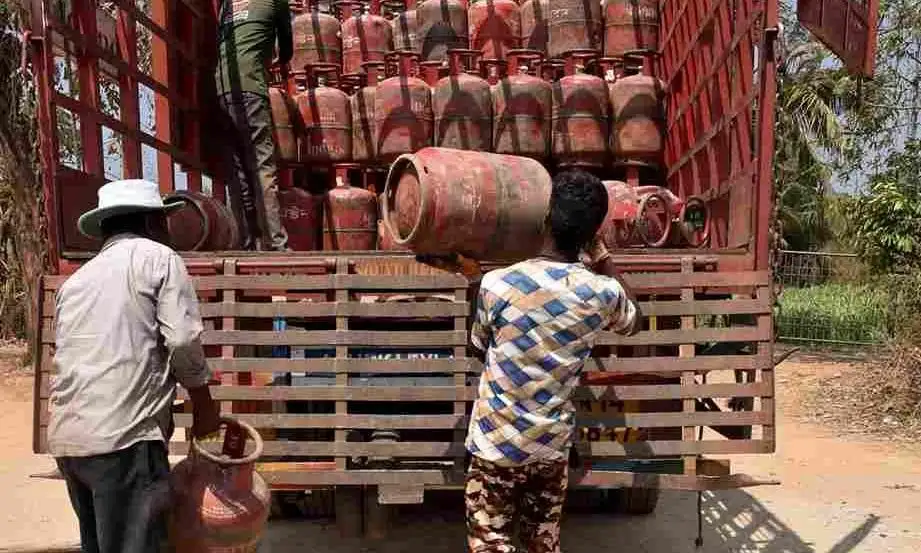
| Commercial (19-kg) | ~₹1,940 - ₹2,200 | Up to ₹5,000 | Frozen |
| Domestic | Controlled | N/A | Prioritized/Delayed |
| Priority (Hospitals) | Rationed | N/A | Guarded |
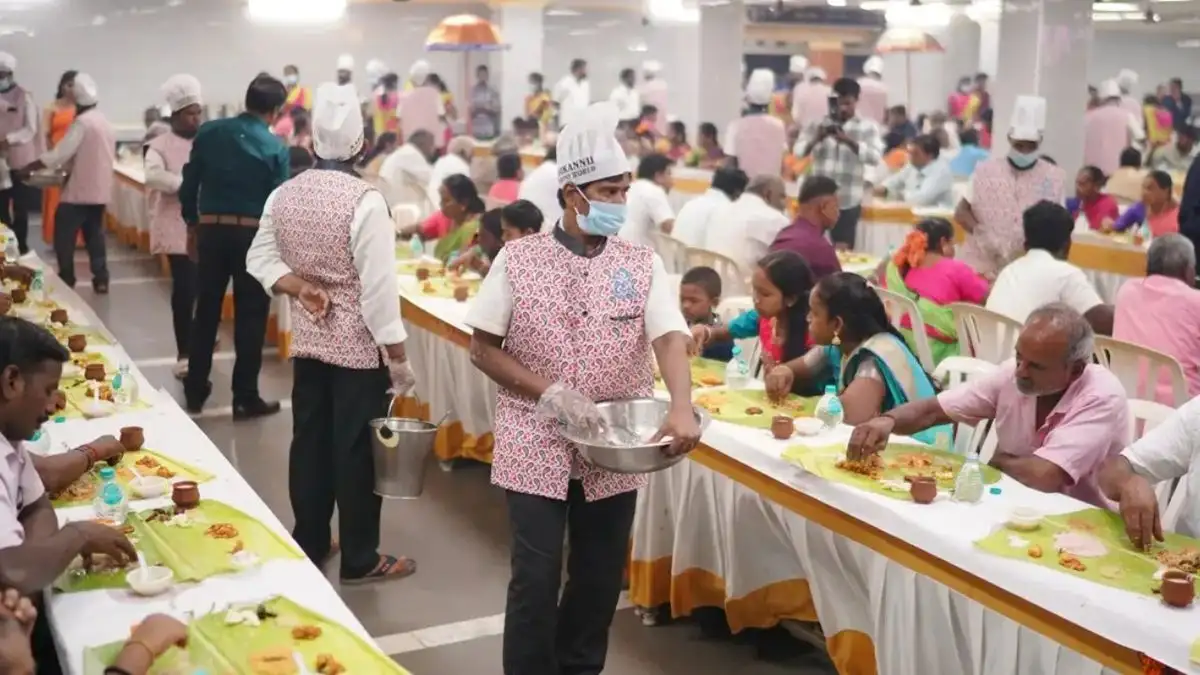
Wedding Caterers like Manoj Kumar and Prasanna Bhat report a forced thinning of the traditional feast; menus that once boasted 20 items are now limping with 10.
Cloud Kitchens and small tea stalls are hitting a wall where they cannot even boil milk, leading to total business suspension.
PG Accommodations housing the city's massive tech workforce have begun rationing meals, as the fuel for large-scale cooking is no longer arriving.
"The crisis is also impacting Bengaluru’s wedding catering industry… caterers have stopped accepting new wedding bookings because they could not guarantee the scale of food preparation required."
A Fragile Chain Snaps
The bottleneck is not merely a local failure but a deliberate redirection of energy flow. The central government has signaled a retreat, moving gas away from the "non-essential" commerce of hotels to shield households and hospitals. This hierarchy of needs has left the hospitality sector—a major employer—waiting for scraps.
Read More: FIFA World Cup 2026 Revenue Reaches $15 Billion With New Ticket Prices
Political Friction: Karnataka CM Siddaramaiah has signaled the alarm to Union Minister Hardeep Singh Puri, noting that hotels and community venues face "serious consequences" without a priority panel.
The Corporate Pivot: Reliance has signaled it will attempt to ramp up production, but the timeline remains a thin promise against immediate hunger for fuel.
Geographic Sprawl: The silence is not limited to Karnataka; cities like Mumbai, Chennai, and Kolkata are reporting similar kitchen shutdowns as the gas dispatches from oil marketing companies remain frozen.
Broken Feasts and Empty Pots
The impact on Wedding catering reflects a deeper cultural disruption. Families who planned elaborate social markers are now haggling over the number of dishes possible on a single, dwindling tank.
Scaling Down: Many caterers in Jayanagar have stopped taking bookings for next month, fearing they cannot fulfill the basic requirement of a fire that stays lit.
Service Delay: Eateries that usually opened at 6 am are pushing back to 7 am or 8 am to stretch what little gas they have salvaged.
Economic Squeeze: For small businesses, the jump to a ₹5,000 black-market cylinder is not a cost—it is a death sentence for their daily margins.
"Without gas I cannot even boil milk… small cafés cannot survive long under this pressure."
Background: The Global Shadow
The local LPG shortage is the physical residue of the Iran-Israel-US friction in West Asia. As energy routes become brittle, the Indian government has rejigged its allocation, placing LPG, CNG, and piped gas for homes at the top of a shrinking list. While this keeps the domestic stove warm, it has effectively severed the legs of the commercial food industry, treating the neighborhood restaurant as an optional luxury in a time of jagged supply.

/newsfirstprime/media/media_files/2026/02/18/green-line-metro-2026-02-18-14-46-47.jpg)


