


The Greater Bengaluru Authority (GBA), in its evolving state, announces the construction of 441 new public toilets. This initiative, part of the broader 'Shubhra Bengaluru' effort, aims to augment the existing 388 public toilets within the metropolitan area.
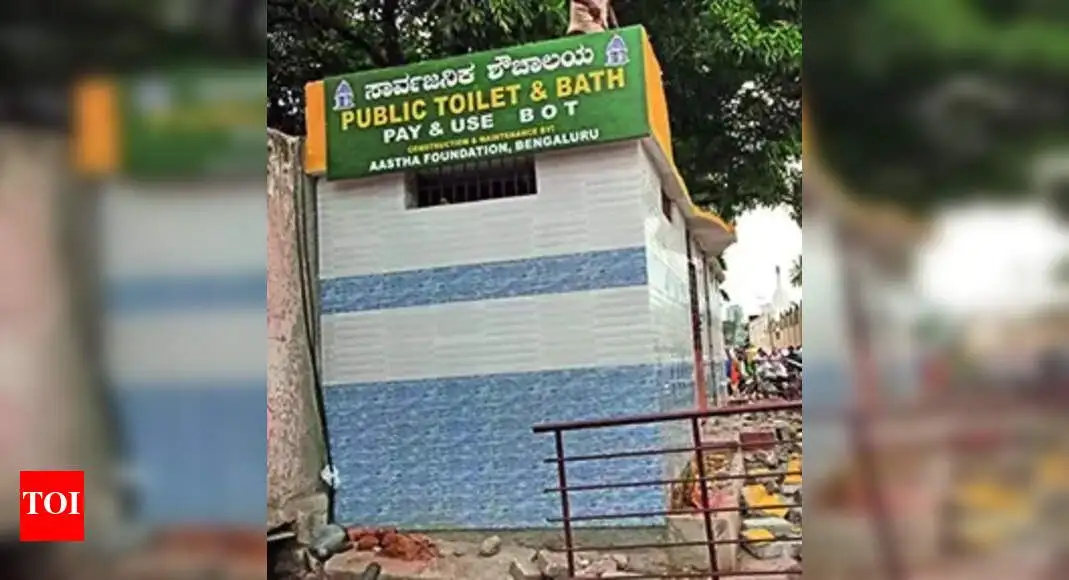
The Deputy Chief Minister, D.K. Shivakumar, stated that 60 of these new facilities will be built under the 'Shubhra Bengaluru' initiative, with an additional 191 already under construction. Another 100 toilets, primarily geared towards women's needs, are being developed under the 'Brand Bengaluru' project. The central government's 'Swachh Bharat Mission' is contributing to the construction of 90 toilets through a ₹13.5 crore grant.

This push for more public conveniences arrives against a backdrop of identified gaps in the city's sanitation infrastructure. A recent study highlighted that even key tourist spots like Cubbon Park and Ulsoor Lake are deficient in public toilets outside their premises. Out of 65 surveyed toilets, a significant majority were not marked on maps, rendering them difficult to locate. The existing public toilets are reportedly clustered around commercial zones, with accessibility remaining a concern across various public spaces such as parks, metro stations, bus stops, and marketplaces.
Read More: Passenger fined on train after ticket inspector 'impatient'

The city's sanitation infrastructure, according to past data from the Bruhat Bengaluru Mahanagara Palike (BBMP), previously comprised 360 public toilets, 6 community toilets, 229 e-toilets, 34 modular toilets, 10 open defecation-free toilets, and 181 restrooms designated for pourakarmikas. The BBMP had previously formed a committee to devise schemes for constructing and maintaining public toilets, with plans to build an additional 600 new ones.
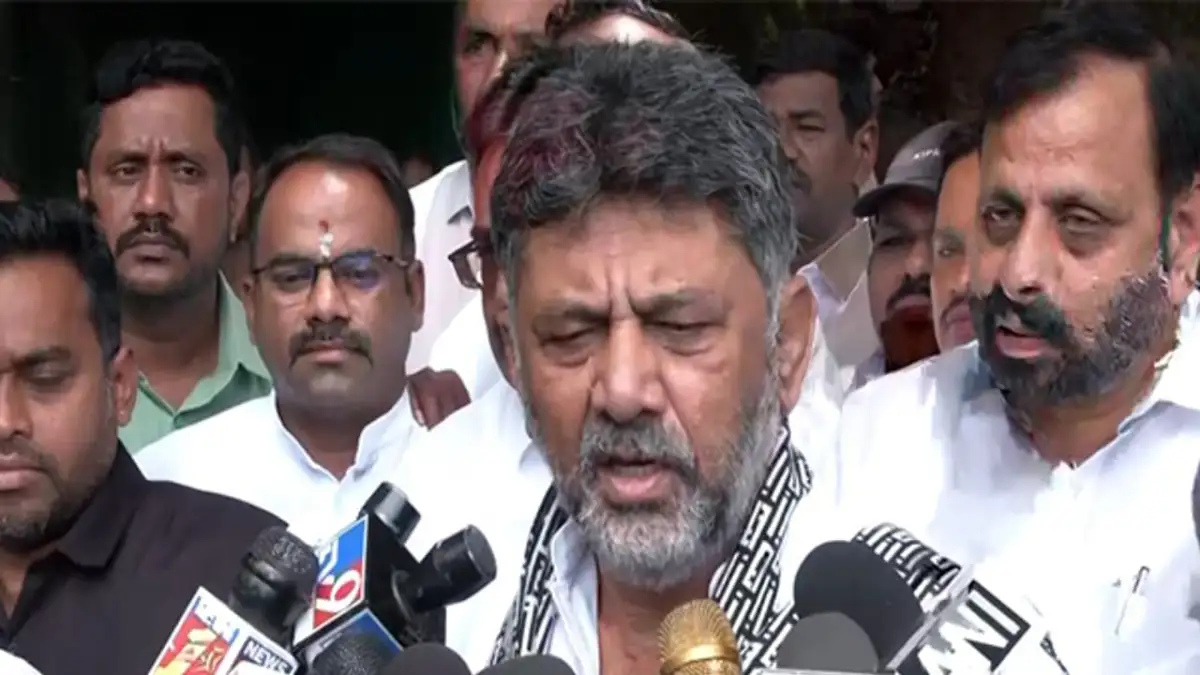
This development coincides with a larger administrative overhaul. The Greater Bengaluru Governance Act, implemented on May 15, has replaced the BBMP with the Greater Bengaluru Authority (GBA). Deputy Chief Minister Shivakumar has framed this as building "the Bengaluru of tomorrow," an endeavor requiring dialogue with opposition leaders and aimed at creating a more efficient, inclusive, and future-ready city. This administrative restructuring is also intended to pave the way for upcoming municipal elections.
Beyond sanitation, the 'Brand Bengaluru' initiative, as presented in the state budget, includes significant allocations for addressing other urban challenges. The government has earmarked ₹7000 crore to tackle issues like traffic congestion, flooding, and water management. Specific projects include signal-free road corridors, underground tunnel roads, peripheral ring roads, and a double-decker flyover. A comprehensive health program, costing ₹413 crore, is also planned over three years to elevate Bengaluru's health standards to a global level.
Read More: New Bengaluru Green Line Metro Trains Arriving by August 2026
Meanwhile, Deputy Chief Minister Shivakumar has also weighed in on the application of Artificial Intelligence (AI) in administration. He emphasized the necessity of thorough research, stating that AI generates results based on existing data rather than creating new information. He noted that while AI can process uploaded data, such as court decisions, it cannot independently generate legal precedents.

/newsfirstprime/media/media_files/2026/02/18/green-line-metro-2026-02-18-14-46-47.jpg)


