FIRST MINISTER CHAMPIONS INSTITUTIONAL CHANGE AMIDST DEBATE ON DELIVERY
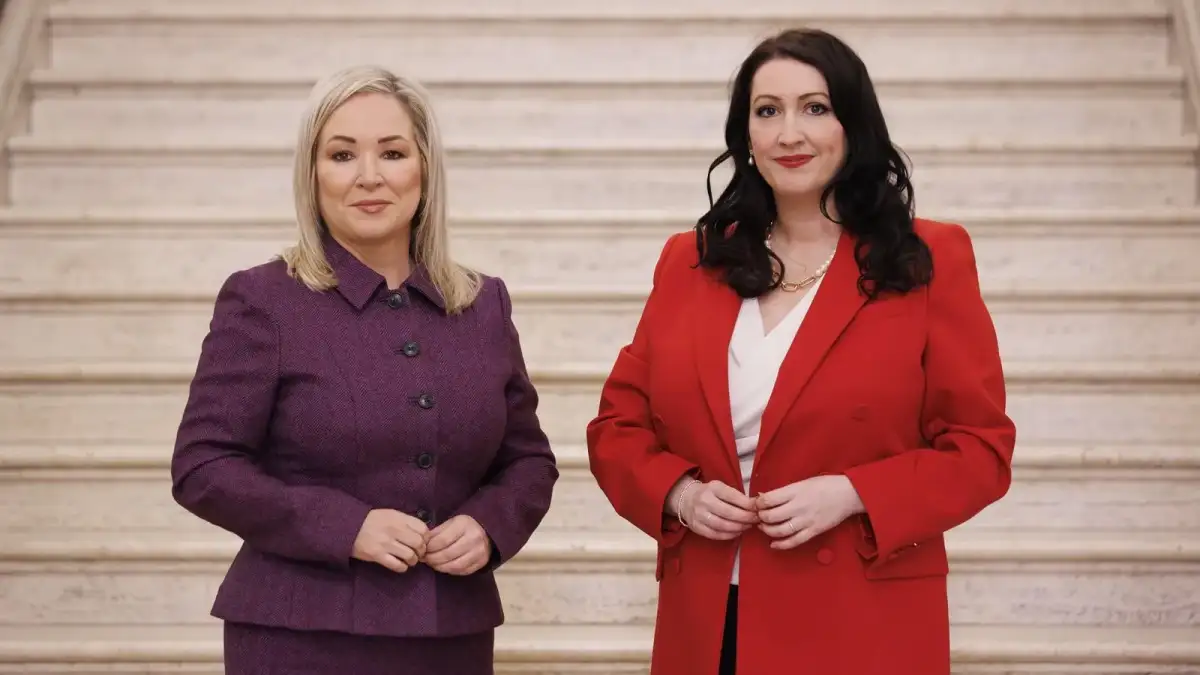
Michelle O’Neill, the First Minister, has articulated a clear intention to overhaul the Stormont institutions, aiming to “end the blockage on progress.” This declaration comes as the devolved executive faces scrutiny over its effectiveness and claims of recent achievements.
The core of O'Neill's message centres on a commitment to reform, targeting systemic impediments to advancement. Her remarks, delivered during her party's gathering in Belfast, highlight a perceived failure of past policies, specifically citing a decade of austerity and an inadequate response to the cost-of-living crisis.

CLAIMS OF "SIGNIFICANT STRIDES" CONTRAST WITH PUBLIC PERCEPTION
O'Neill has defended the performance of ministers since the restoration of the Stormont Assembly approximately two years ago. She asserts that Sinn Féin ministers have made "significant strides," presenting the diversity of political outlooks as a testament to the 'Good Friday Agreement'.
However, this narrative of progress is met with skepticism. A recent assessment from the thinktank Pivotal questions whether the public is actually experiencing benefits from the administration's priority spending over the past 13 months. Despite reports of progress on the Executive's programme for government, including the handling of time-critical patients, the tangible impact on the populace remains a point of contention.
Read More: Taiwan Holds Nantou County Drills to Prepare for State Collapse

A HISTORY OF DELAYS AND CONTROVERSIES MARS THE EXECUTIVE'S RECORD
The path to current governance has been fraught with instability. The devolved political institutions have experienced multiple collapses since their inception following the 'Good Friday Agreement'. Most recently, a draft programme for government, published in September 2024, was endorsed by the Executive in February 2025, following a lengthy debate.
O'Neill herself has navigated a period of internal party controversy, having spent weeks addressing questions related to various party 'furores'. These included the resignations of party members amidst controversies, underscoring the persistent challenges in maintaining institutional stability and public confidence.
Despite these challenges, O'Neill has insisted on the stability of the power-sharing structures. She acknowledges that "much more needs to be done," particularly in addressing health waiting lists, childcare strategies, and infrastructure issues. The deputy First Minister, Emma Little-Pengelly, echoed this sentiment, noting that the Executive "always knew" it would not resolve all major issues within its first year.
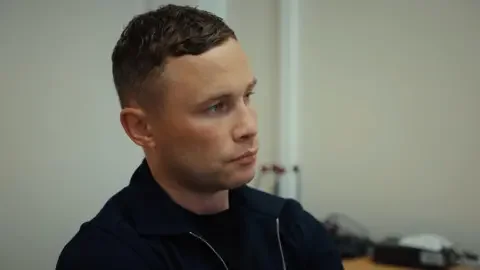
Read More: Carl Frampton documentary on Northern Ireland probation released May 2026
Critics, such as the SDLP, have voiced concerns that the Executive has been "marking time, rather than making progress," asserting a lack of "meaningful change." The long-term investment strategy, a key component of government planning, has yet to be published, adding to the perception of delayed action.