


A common practice of hunching over desks, dubbed "desk shrimping," is increasingly being linked to negative health outcomes, according to recent reports. This posture, characterized by a rounded back and head jutting forward, mirrors the shape of a shrimp, hence the moniker. Experts suggest that this ergonomic challenge stems from the widespread use of digital devices and can impact not only physical well-being but also mental clarity and productivity. The concern is that prolonged periods in this position may lead to chronic pain and other significant health issues.
Understanding the "Desk Shrimp" Phenomenon
The term "desk shrimp" has emerged to describe a prevalent posture adopted by many individuals while working at desks, particularly when interacting with computers and mobile phones. This posture involves:
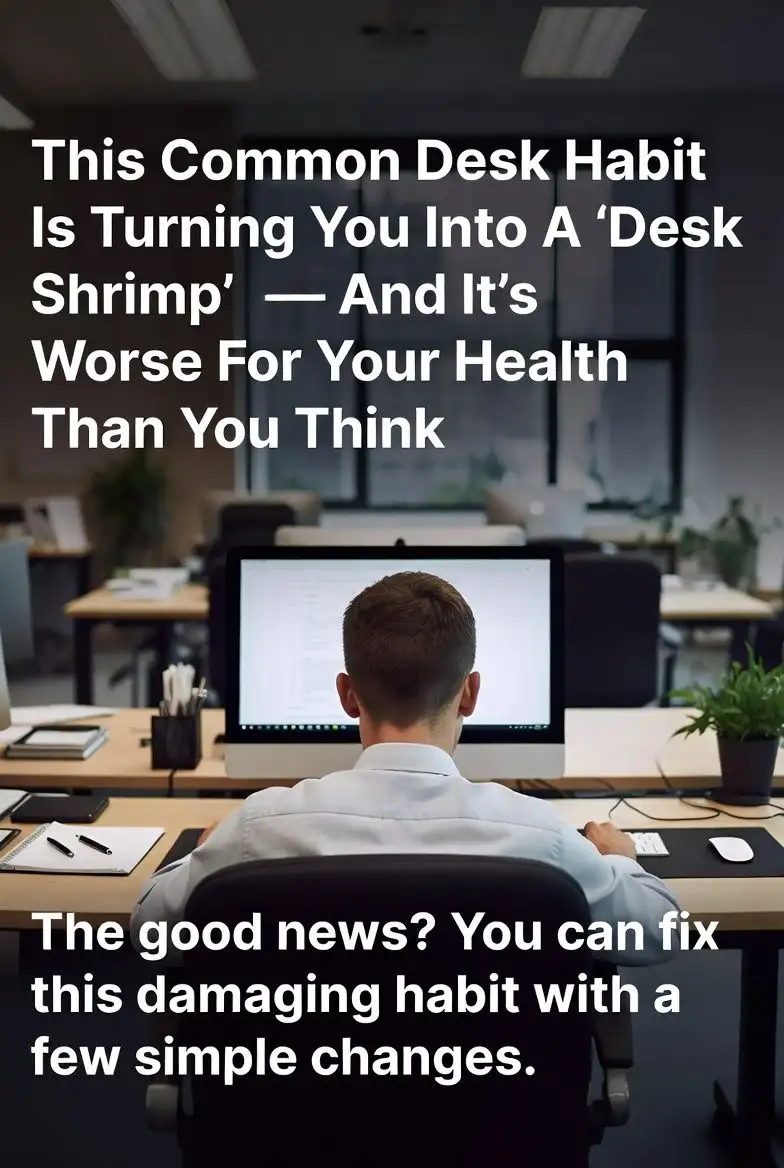
Sitting with a rounded spine.
Hunching forward.
The head extending beyond the shoulders.
This detrimental habit is a direct consequence of modern work environments, where extended screen time is the norm. The visual alignment of our eyes with our screens, coupled with the positioning of monitors and devices, often encourages this unhealthy stance.
Read More: India IVF Costs And Social Barriers Limit Access In April 2026
Physical and Mental Repercussions
The physical toll of maintaining a "desk shrimp" posture is significant. Reports indicate that this position can lead to:
Neck strain: As highlighted by Alan Hedge, professor emeritus at Cornell University, a monitor positioned too high forces the neck into extension. Conversely, a screen too low causes the neck to crane downwards.
Back pain: The curving of the spine in this posture is directly associated with chronic back discomfort.
Restricted breathing: Hunching compresses the chest cavity, potentially limiting lung capacity and impacting breathing efficiency.
Reduced productivity: Beyond physical ailments, this posture is also believed to negatively affect concentration and overall work output.
"Tech neck": A term used to describe the pain and stiffness in the neck caused by looking down at electronic devices for extended periods.
The core insight is that "desk shrimping" is not merely an aesthetic issue but a significant health concern with broad physical and mental implications.
Expert Guidance and Solutions
Addressing the "desk shrimp" posture involves making conscious adjustments to workstation setups and personal habits. Several strategies have been recommended:

Monitor height adjustment: Ensure the top of your screen is at or slightly below eye level, allowing your eyes to align naturally with your shoulders.
Phone usage: Lift your phone to eye level or rest your elbows on a surface or your body for support when using it.
Shoulder positioning: Actively roll your shoulders back and down to improve upper body alignment.
Chin tucks: Gently draw the chin back towards the neck, rather than craning it forward or upward.
Sit bones awareness: Sit back on your sit bones, avoiding collapsing into the pelvis.
These are practical interventions aimed at counteracting the adverse effects of prolonged sitting and device use.
The Growing Awareness of Ergonomic Health
The proliferation of articles on this topic suggests a growing public awareness of the importance of ergonomic health in the workplace. Platforms like TikTok have contributed to popularizing the term "shrimp posture," further amplifying the message. Health professionals and ergonomic experts are emphasizing the need for proactive measures to prevent these posture-related ailments, underscoring that simple changes can yield substantial health benefits.
Read More: Schneider's words hint at trouble for Valenzuela
Key Findings and Implications
The evidence strongly suggests that the "desk shrimp" posture, a consequence of prevalent modern work habits, poses a tangible threat to individual health. The observed pattern indicates:
A direct correlation between extended desk work and poor posture.
A range of negative health outcomes, from chronic pain to reduced cognitive function.
The availability of straightforward solutions to mitigate these risks.
The implications are clear: individuals and organizations must prioritize ergonomic well-being to safeguard against the detrimental effects of this widespread habit. Further investigation into long-term health impacts and the efficacy of various corrective measures could provide a more complete picture.
Sources:
HuffPost: https://www.huffpost.com/entry/desk-shrimp-bad-posture-signsl69778ab5e4b084f2a18f4368 (Published 4 days ago) - Discusses the risks and provides initial advice.
JobAdvisor: https://www.jobadvisor.link/2026/02/this-common-desk-habit-is-turning-you.html (Published 5 days ago) - Explains the habit and offers corrective measures.
Cornell University (Human Ecology): https://www.human.cornell.edu/news-profiles/how-stop-being-desk-shrimp-and-improve-your-desk-posture (Published 5 days ago) - Features expert advice from Professor Alan Hedge.
WikiHow: https://www.wikihow.com/Shrimp-Posture (Published 6 days ago) - Defines shrimp posture and its causes, citing multiple health resources.
Rock Therapy: https://rocktherapybne.com/desk-posture-tips-dont-be-shrimp/ (Published Sep 8, 2025) - Offers specific tips for improving desk posture.
Harrington Family Chiropractic: https://harringtonfamilychiropractic.com/%F0%9F%A6%90-are-you-shrimping-at-your-desk-why-your-spine-is-filing-a-complaint (Published May 13, 2025) - Highlights the physical and mental impact of the posture.
Wn.com (Newsweek): https://www.wn.com/view-lemonde/2026/02/04/ThisCommonDeskHabitIsTurningYouIntoADeskShrimpAnd/ (Published 4 days ago) - Reports on the topic, referencing other publications.
NewsBreak (AOL): https://www.newsbreak.com/news/4474494349080-this-common-habit-is-turning-you-into-a-desk-shrimp-and-its-worse-for-your-health-than-you-think (Status: Low Priority) - Indicates broad coverage of the issue.






:max_bytes(150000):strip_icc()/what-is-a-manager-2276096_final-5bdb3aa0c9e77c00518537b5.png)