The world's eyes, or at least millions of them, are about to be glued to a single stage: the Super Bowl halftime show. This year, the spotlight falls on Bad Bunny, a global music phenomenon whose ascent from Puerto Rico to the pinnacle of the entertainment world is as compelling as the music itself. Yet, as the game's intensity builds, a peculiar side-narrative has emerged – a rush among some non-Spanish speakers to learn Spanish for this 13-minute performance. It begs the question: are we witnessing a genuine cultural embrace, or a fleeting, performative gesture fueled by hype?
"I don’t know why they’re doing it. Thank you, Mami, for giving birth to me in Puerto Rico." - Bad Bunny, addressing non-Spanish speakers.
Bad Bunny, or Benito Martínez Ocasio, isn't just a musician; he's a voice for his generation, a reflection of his homeland's struggles and resilience. His inclusion in the Super Bowl halftime show is a watershed moment, marking the first time a primarily Spanish-language artist takes center stage. This isn't merely a musical booking; it's a cultural statement, a potential bridge, or perhaps a spotlight on existing divides.
Read More: Gorillaz Announce New Album 'The Mountain' About Friends and Life

A Puerto Rican Identity Forged in Fire
To understand Bad Bunny's impact, one must understand the island that shaped him. Puerto Rico has been no stranger to hardship, and these experiences are deeply woven into the fabric of Bad Bunny's art.
Economic Struggles: He grew up amidst a significant debt crisis, a persistent economic burden on the island that has led to austerity measures and hardship for its citizens.
Natural Disasters: Hurricane Maria in 2017 devastated the island, exposing deep-seated infrastructure issues and government failings. This event deeply affected Puerto Ricans, including Bad Bunny, who has been vocal in his criticism of relief efforts.
Political Activism: Bad Bunny was a prominent figure in the 2019 protests that led to the resignation of Governor Ricardo Rosselló. His participation highlighted his willingness to use his platform for social and political change.
Educational Challenges: He witnessed firsthand the closing of public schools on the island, a consequence of the ongoing economic and political climate.
Read More: Italian Athletes Do Well at Home in Winter Olympics
These formative experiences, as noted by Petra Rivera-Rideau, co-creator of the "Bad Bunny Syllabus," are not just background noise; they are the "environment [that] shaped him and his music." His early tracks on SoundCloud, born from this crucible, quickly garnered millions of listeners, proving that raw, authentic voices resonate universally.

The "Learn Spanish" Frenzy: Cultural Curiosity or Hype?
As the Super Bowl date loomed, a peculiar trend emerged: fans, particularly non-Spanish speakers, started to publicly express their efforts to learn Spanish, spurred by Bad Bunny's upcoming performance.
"Fans race to learn Spanish before Bad Bunny's Super Bowl half-time show" - The Guardian
This is a fascinating development. On one hand, it signifies a heightened engagement with Bad Bunny's cultural identity. Many are seeing his music and performances as an invitation to understand more deeply.
Read More: Andrew Ranken, Drummer for The Pogues, Dies at 72
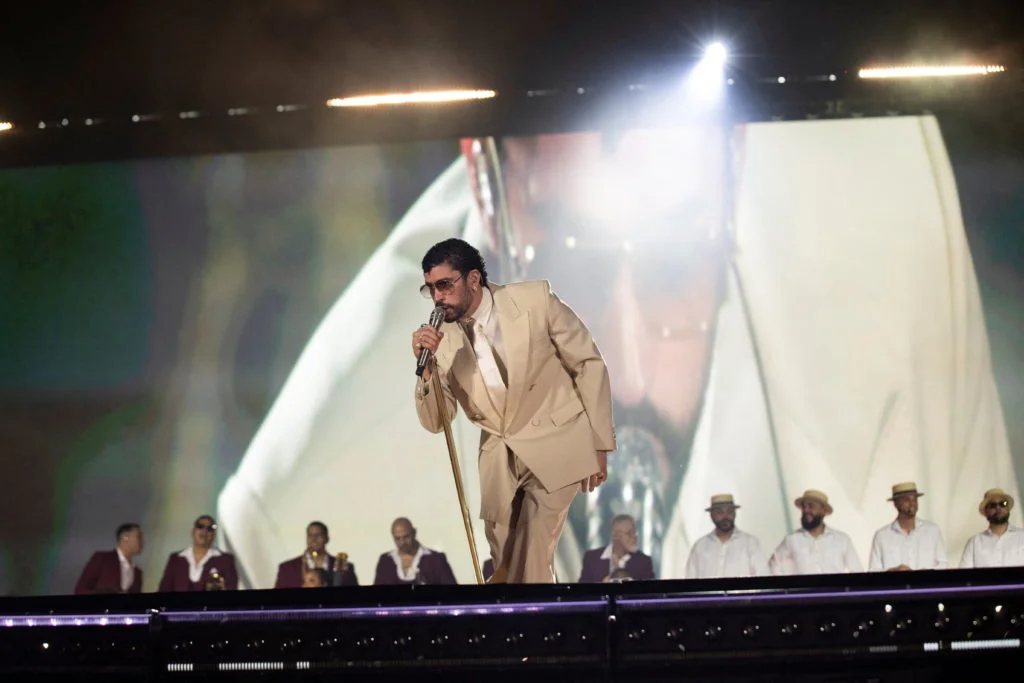
Motivated Learning: For some, like Miller, Bad Bunny's music offered the "perfect opportunity to take on the challenge of learning a new language." The prospect of understanding lyrics and connecting more intimately with the performance provides a powerful incentive.
Shared Experience: Videos of people learning Spanish for the show have circulated, even prompting some viewers to watch with their parents, suggesting a communal aspect to this linguistic endeavor.
Amplified Messaging: As Díaz points out, Bad Bunny's "clear messaging in his lyrics, videos and performances amplifies that interest," making the effort to understand him worthwhile.
However, a critical question remains: Is this a genuine, sustained interest in Hispanic culture, or a temporary reaction to a high-profile event? Will this newfound enthusiasm for Spanish fade once the Super Bowl spotlight shifts?
Bad Bunny's Counter-Message: Embrace the Vibe
In a surprising twist, Bad Bunny himself has offered a different perspective, downplaying the need for a crash course in Spanish.
Read More: Lindsey Vonn Hurt in Ski Race Crash
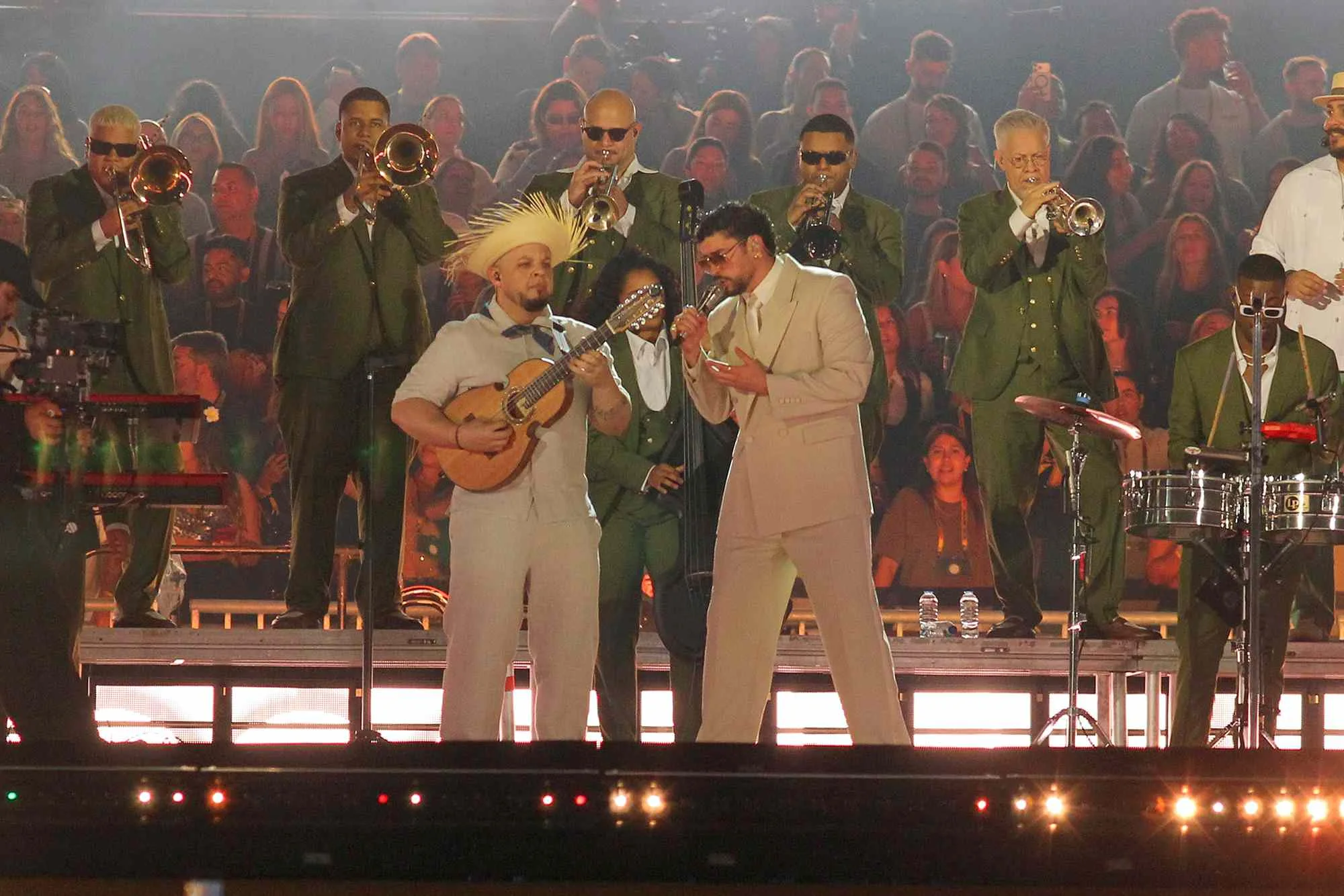
"You don't have to learn Spanish — learn to dance" - Bad Bunny
His advice is direct and, in its own way, culturally insightful:
Focus on Emotion, Not Literal Translation: Bad Bunny suggests that the feeling and energy of the music transcend language barriers. His emphasis on dancing implies a universal language of rhythm and movement.
"It's Gonna Be Easy": He has reassured fans that his performance is intended to be accessible and enjoyable for everyone, regardless of their linguistic background. This is encapsulated in his sentiment, "It's Gonna Be Easy."
Acceptance, Not Obligation: By advising against forced language learning, he implicitly acknowledges that his appeal is multifaceted. It’s about the artistry, the persona, and the cultural experience, not just the words.
This stance is remarkable. It contrasts with the prevailing narrative of "effort required" and instead promotes a more organic, inclusive experience.
Read More: Britney Spears Sells Rights to Her Music
| Aspect | Fan Motivation | Bad Bunny's Advice |
|---|---|---|
| Primary Goal | Understand lyrics, connect with artist deeper | Enjoy the music, feel the energy, dance |
| Effort Required | Learning Spanish | Learning to dance, embracing the vibe |
| Underlying Message | Cultural immersion, deeper appreciation | Universal appeal, emotional connection |
| Potential Outcome | Lingering interest in Spanish language/culture | Broader acceptance of music beyond language barriers |
A Cultural Bridge or a Spectacle?
Bad Bunny's Super Bowl halftime show is more than just entertainment; it's a significant cultural moment. He is not only the first reggaeton artist to headline but also an artist whose identity is inextricably linked to his Puerto Rican heritage.
Global Voice: Bad Bunny has become a "Global Voice of Puerto Rican Resistance," as described by Rivera-Rideau. His music carries messages of pride, resilience, and sometimes, defiance.
Unprecedented Reach: As the most streamed artist in the world, his Super Bowl appearance provides an unparalleled platform to showcase Latin urban music and Puerto Rican culture to a massive, diverse audience.
Apple Music's Role: The campaign around the performance, orchestrated by Apple Music in conjunction with Jay-Z's Roc Nation, suggests a deliberate effort to craft a narrative around Bad Bunny's cultural significance.
Read More: Spurs Look at Tactics and Player Choices
The Super Bowl halftime show, typically a stage for American pop icons, is now featuring an artist who has consistently brought his cultural background to the forefront. Will this lead to a more profound understanding and appreciation of Spanish-language music and Latin culture among mainstream American audiences? Or will the "learn Spanish" craze prove to be a temporary phenomenon, a fleeting fascination with the exotic before attention returns to familiar shores?
"As Benito, he is a typical 31-year-old Puerto Rican who grew up experiencing… This environment shaped him and his music…" - Petra Rivera-Rideau
Bad Bunny's performance is an opportunity not just to entertain, but to educate and inspire. His message to "learn to dance" rather than "learn Spanish" is a powerful statement about accessibility and the universal power of music. The real test will be what resonates with audiences long after the final whistle blows – the rhythm, the energy, and the undeniable cultural force of Bad Bunny, or the fleeting memory of a language lesson attempted. The stakes are high, not just for the NFL, but for the ongoing conversation about cultural representation in global entertainment.
Read More: Courtney Love's Post Comes Out as New Claims About Kurt Cobain's Death Are Made