A Clash Over Culture and Politics Erupts
The selection of Bad Bunny as the Super Bowl halftime performer ignited a significant debate, drawing sharp criticism from some conservative factions and politicians. These groups voiced their disapproval, with some calling for a boycott of the event. The core of the disagreement appears to stem from Bad Bunny's public political stances and his perceived challenge to certain American values, particularly in the context of his Puerto Rican heritage and anti-Trump sentiments. This controversy highlighted a broader cultural divide, amplified by social media and commentary from various news outlets.
Background of the Controversy
The announcement that Bad Bunny, a globally recognized Latin artist known for his Spanish-language music, would headline the Super Bowl halftime show was met with immediate backlash from some conservative quarters. These critics, often associated with the "MAGA" movement, expressed their discontent online.
Read More: Andrew Ranken, Drummer for The Pogues, Dies at 72
Concerns were raised about Bad Bunny's political commentary, especially his past criticisms of the Trump administration and his stance on immigration.
Some individuals expressed that his performance, in their view, was an insult to American values, particularly given the timing around the nation's 250th anniversary.
Calls for a boycott were issued, with some suggesting alternative viewing options, such as other halftime shows.
This reaction was particularly noted following Bad Bunny's appearance at the Grammy Awards, where he and other celebrities made remarks perceived as critical of President Trump's immigration policies.
Evidence of Discontent
Statements and online reactions from various sources indicate the breadth of the opposition to Bad Bunny's Super Bowl performance.
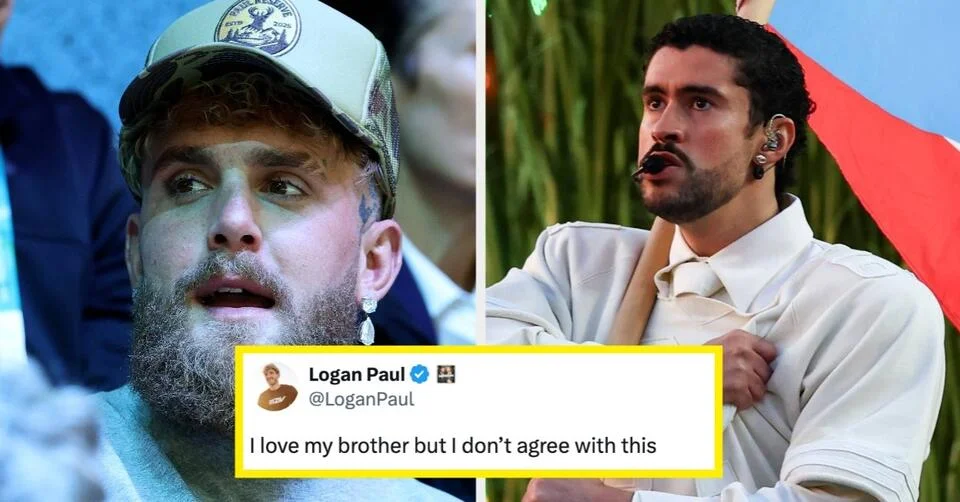
Conservative Criticism: Reports cite conservative activists and leaders who publicly criticized the NFL's choice.
One observed reaction included a comment: "Watching Bad Bunny - a man in a dress - insulting America & Americans on our 250th anniversary is not acceptable."
Calls for Boycott: Online threats were made regarding potential viewership drops if the NFL did not alter its plans.
Petitions: A petition aiming to replace Bad Bunny with country artist George Strait garnered over 120,000 signatures, signaling a level of organized opposition.
Media Commentary: Some news outlets framed the choice as controversial, with one opinion piece suggesting the NFL prioritized financial gain over the appropriateness of the performer.
The article stated: "Hypocrite Bad Bunny is a controversial choice for the Super Bowl, but the NFL only sees the dollar signs."
Artistic and Political Identity
Bad Bunny's identity as a Latin artist performing predominantly in Spanish, coupled with his history of political expression, formed a key part of the discourse surrounding his Super Bowl selection.
Read More: Arc Raiders Game Is Very Popular After Launch
Cultural Representation: Bad Bunny is the first Latin solo artist to headline the Super Bowl halftime show, a point highlighted by supporters as a significant cultural milestone. He has stated his intention to "bring what people can always expect from me, and a lot of my culture."
Political Stances: His history includes vocal opposition to the Trump administration, dating back to the President's first term.
He delivered a rebuke to the Trump administration during a Saturday Night Live monologue.
Rolling Stone noted that conservatives seemed to anticipate an "anti-Trump extravaganza" following his Grammy appearance.
Artistic Background: Interestingly, Rolling Stone also pointed out that Bad Bunny was a choir boy as a child, a fact that appeared to contrast with the image some had formed of him.
Language Barrier: A detail noted is that Bad Bunny has yet to produce an English-language song, a point some critics seemed to focus on.
Support Amidst Criticism
Despite the vocal opposition, Bad Bunny also commanded significant support from his fanbase and others who saw his selection as a positive representation.
Read More: Britney Spears Sells Rights to Her Music
Fanbase Mobilization: A large number of fans signaled their support for his performance, pushing back against the criticism.
Artistic Merit: Some supporters viewed him as an obvious choice given his global popularity, world tours, and record-breaking residency.
Context of Selection: USA Today mentioned that while some sounded alarms, a "large swath of fans have signaled their support."
Expert Analysis and Commentary
The controversy surrounding Bad Bunny's Super Bowl performance has been a topic of discussion among media analysts and cultural commentators.
Rolling Stone reporter Julyssa Lopez, who has interviewed Bad Bunny for years, expressed surprise at the intensity of the controversy, stating she "never saw coming" the MAGA outrage.
Some commentary suggested that the NFL's decision was driven by commercial interests, with one opinion piece stating the league "only sees the dollar signs."
The contrast between Bad Bunny's established artistic career and the unexpected level of political controversy has been a recurring theme in the analysis.
Conclusion and Implications
The Super Bowl halftime show featuring Bad Bunny became a focal point for cultural and political commentary. The backlash from conservative groups, centered on his political expressions and identity, was notable, leading to calls for boycotts. However, these calls existed alongside strong support from his fanbase and those who viewed his performance as a celebration of Latin culture. The situation underscored the intricate relationship between popular entertainment, political expression, and evolving societal values in the United States. The NFL's choice, while artistically significant, undeniably tapped into existing political fault lines, revealing a divided public opinion on cultural representation and political commentary within mainstream events.
Sources
Hindustan Times: "Why MAGA is boycotting Bad Bunny's Super Bowl halftime show"
Published: 2 days ago
Context: Reports on conservative backlash and boycott calls, citing specific criticisms.
Rolling Stone: "Wait, Why Was Bad Bunny’s Super Bowl Halftime Show Controversial?"
Published: 15 hours ago
Context: Explores the roots of the controversy, Bad Bunny's background, and journalistic surprise at the reaction.
USA Today: "Why some politicians are mad about Bad Bunny’s Super Bowl performance"
Published: Jan 23, 2026
Context: Discusses political reactions and fan support, noting specific critiques from media personalities and officials.
New York Post: "Hypocrite Bad Bunny is a controversial choice for the Super Bowl, but the NFL only sees the dollar signs"
Published: Sep 29, 2025
Context: An opinion piece critical of the NFL's choice, suggesting financial motives and questioning Bad Bunny's suitability.
TIME: "The Political Feud Behind Bad Bunny's Super Bowl Performance"
Published: 3 days ago
Link: https://time.com/7372704/bad-bunny-super-bowl-halftime-show/
Context: Focuses on Bad Bunny's history of political opposition, particularly against the Trump Administration, and the ensuing debate.
Sporting News: "Bad Bunny Super Bowl 60 controversy, explained: Why the NFL's halftime show pick is getting MAGA backlash"
Published: Oct 22, 2025
Context: Provides an explanation of the controversy and the specific reasons for the MAGA backlash.
Read More: High on Life 2 Game Is Out, People Talk About Its Funny Jokes and New Skateboard Moves