Canberra - The Australian government is signaling a significant focus on fiscal responsibility in its upcoming budget, with Treasurer Jim Chalmers asserting that it will "pay down more debt" and demonstrate "responsible economic management." This comes as projections point towards a likely decade of deficits, even as the administration claims a notable reduction in gross debt over its first term. The administration will present a budget emphasizing savings over expenditure, aiming to mitigate inflation concerns and present a picture of financial prudence ahead of a looming federal election.
Fiscal Tightening and Debt Reduction Claims
Chalmers has stated that the May budget will feature "more restraint from the Albanese Government," promising a "bigger than usual gross saving." This marks what the government describes as the second consecutive budget where savings are claimed to exceed spending. The Treasurer has previously touted a $177 billion reduction in gross debt, a figure the government contrasts with earlier forecasts, despite the overarching expectation of continued deficits. This debt reduction, however, is presented against a backdrop where gross debt for 2024-25 is still projected to hover around $940 billion.
Read More: Palantir Q1 Earnings: Revenue Surge Expected Due to AI Platform
The framing of the budget appears to hinge on projecting an image of fiscal control, particularly concerning debt levels, even as the long-term outlook anticipates ongoing shortfalls.
Families and Cost of Living in Focus
Despite the emphasis on austerity, the budget is also expected to include measures aimed at assisting families with the cost of living and strengthening Medicare. Previous announcements have indicated tax cuts for individuals, with a potential extra tax cut of up to $268 for taxpayers in the years following the next election. There have also been discussions around abolishing non-compete clauses for most workers, aiming to allow individuals to seek better-paying employment. Expanding the 'Help to Buy' scheme for first home buyers has also been mentioned as part of the economic plan.
Read More: Australian Newspapers Lock Daily Puzzles Behind Paywalls
The budget's presentation is complicated by the imminent federal election.
Inflation remains a key concern, with the Treasurer noting its presence even as it reportedly falls within the Reserve Bank's target band.
Opposition figures have attributed budget pressures, including inflation, to the current government's fiscal management.
Broader Economic and Social Landscape
Beyond the budget specifics, the news cycle reflects a nation grappling with various issues. The families of victims from the Bondi shooting are slated to present their accounts at a royal commission. Elsewhere, reports highlight soaring fuel prices and discussions around potential changes to property tax breaks, including negative gearing, which the government might reconsider. There are also ongoing discussions about Australia's energy infrastructure, with plans for new fuel storage facilities.
In terms of weather, record-breaking May warmth in southern Australia is expected to be followed by a cold front and increased rainfall, while Tasmania and Victoria have already set new May temperature records.
Background:
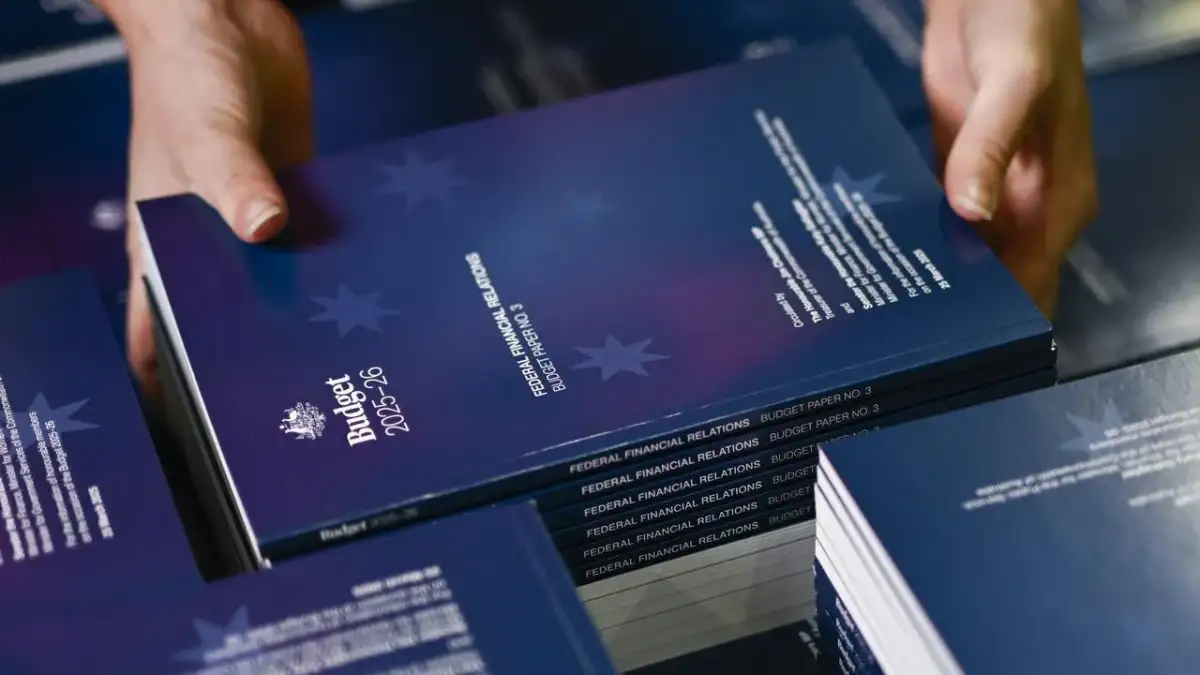
The Albanese Government is preparing to deliver its fourth federal budget on Tuesday, March 25, 2025. This budget arrives in the shadow of an impending federal election, due on or before May 17, 2025. The government's messaging emphasizes "responsible economic management" and a commitment to "paying down debt" and controlling spending. This strategy aims to counter concerns about inflation and present a stable fiscal picture to voters, despite forecasts pointing to a decade of budget deficits. The Treasurer, Jim Chalmers, has been vocal about the need for restraint while also promising targeted support for households and families struggling with the cost of living.
Read More: UK agency ARIA sends £50 million to US firms, sparking debate
Previous budget speeches and statements have articulated goals centered around enabling more Australians to "earn more and keep more of what they earn," with initiatives like expanding housing support and enhancing bulk billing services. The political landscape is also shaped by opposition criticism, with figures like Tim Wilson questioning the government's handling of economic challenges. The backdrop includes broader societal events, such as the Bondi shooting and community actions related to international events, alongside economic indicators like inflation rates and interest on government debt.