The whispers are growing louder: Apple, the tech giant known for pushing the boundaries of what our devices can do, has reportedly shelved its much-hyped AI-powered health coach, codenamed "Project Mulberry." Instead of a comprehensive digital wellness guru, we might see a trickle of individual features rolled out to the existing Health app. This dramatic pivot raises more questions than answers. Was the vision too grand? Was the technology not ready? Or are we witnessing a strategic retreat in the face of stiff competition and internal doubt? This isn't just about an app; it's about the future of personalized health and how technology will guide us through it.
The Rise and Fall of Project Mulberry
For over a year, the tech world has been buzzing with anticipation about Apple's foray into AI-driven health coaching. Reports indicated that "Project Mulberry," internally sometimes referred to as "Health+," was set to revolutionize how we manage our well-being. The vision was ambitious: an AI coach that could analyze personal health data from iPhones and other Apple devices, offering personalized insights and guidance.
Read More: Amazon Prime Was Faster and Saved People Money in 2025
The Promise: A virtual health companion designed to help users understand health trends and metrics.
The Undisclosed Timeline: Originally slated for a potential reveal with iOS 26, the project has faced multiple delays and timeline shifts.
The Leadership Shuffle: Recent organizational changes, including the retirement of COO Jeff Williams and Eddy Cue taking over health oversight, appear to have significantly impacted the project's trajectory. Cue himself reportedly questioned the viability of the current health service plans against strong market competitors.
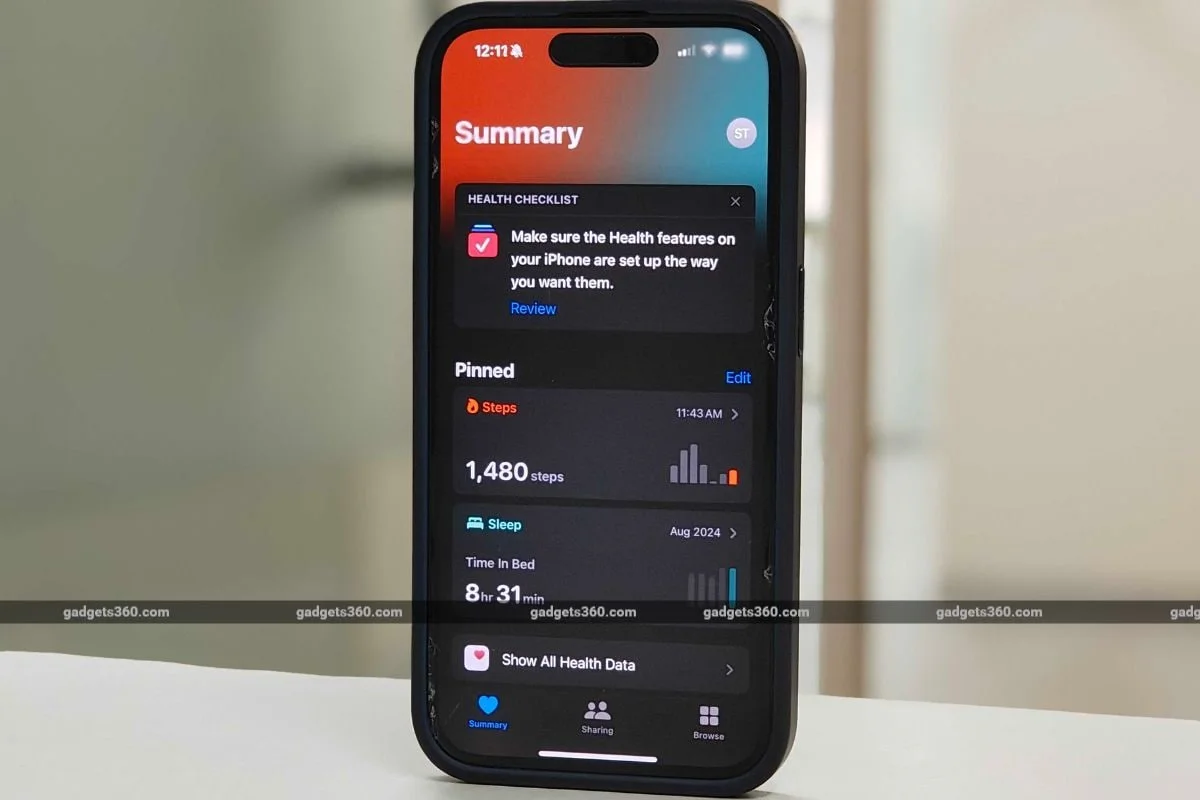
This internal upheaval seems to have been a pivotal moment. Instead of a full-fledged AI coach, Apple now plans to integrate individual AI-powered features into the Health app over time. This suggests a shift from a singular, potentially groundbreaking service to a more incremental, perhaps safer, approach.
Why the Sudden Pullback? A Web of Factors
The decision to scale back Project Mulberry wasn't made in a vacuum. Several interconnected factors appear to have contributed to this significant shift in strategy.
Read More: New Papers Show Epstein Had Health Problems with Sex Hormones
Internal Skepticism and Leadership Questions:
Reports indicate that Eddy Cue, Apple's senior vice president of Services, played a crucial role in questioning the project's current direction.
His concerns reportedly stemmed from the feeling that the existing plans didn't measure up to the market's evolving demands and competitive landscape.
This internal dissent from a key leader could have been a major catalyst for the project's scaling back.
The Competitive Battlefield Intensifies:
Apple is not operating in an empty arena. The AI health space is heating up.
Competitors like Oura, Whoop, and more recently, OpenAI with its ChatGPT Health, are already offering advanced features.
These rivals are perceived by some within Apple to be providing more robust and sophisticated health insights, putting pressure on Apple to not just catch up, but to innovate significantly.
Technological and Developmental Hurdles:
Developing a truly effective and safe AI health coach is a monumental task. It requires not only advanced AI capabilities but also stringent adherence to privacy regulations and medical ethics.
Could Apple have underestimated the complexity of integrating AI insights with user health data in a way that is both useful and responsible?
The company's own AI and health divisions have undergone "multiple organizational changes," suggesting internal challenges in bringing this complex vision to fruition.
Organizational Restructuring:
The shift in leadership within Apple's health division, with Cue now overseeing the teams, directly preceded the scaling back of Project Mulberry.
This suggests that the new leadership's priorities and vision might differ significantly from what was envisioned by previous management.
What's In, What's Out, and What's Next?
While the grand vision of an AI health coach appears to be on indefinite hold, it's not a complete write-off of AI in Apple's health strategy. The company seems to be adopting a "less is more" or "one step at a time" approach.
Read More: Why Some Programmers Choose Special Languages
The "Mulberry" Features Reimagined:
Instead of a single, integrated service, individual AI features developed under Project Mulberry are expected to be rolled out incrementally into the existing Apple Health app.
This could include AI-powered analysis of health metrics, personalized trend insights, or educational content about wellness.
Apple is also reportedly repurposing its Oakland studio for health video content, which could supplement these AI features.
Siri's Healthier Future:
A significant expansion is expected for Siri's health-related capabilities with iOS 27.
This means Siri might become more adept at handling advanced health queries, interacting more deeply with the Health app and other Apple operating systems.
This is a crucial move, leveraging an existing, widely used assistant to deliver some AI-driven health benefits, rather than building a new, separate service.
Uncertainty About "Health+":
It remains unclear if the rumored "Health+" service was intended to be a paid subscription. If so, its scaling back might also impact Apple's potential revenue streams in the health sector.
The future of a standalone, premium health service from Apple is now in doubt.
The Broader Implications for Users and the Industry
The decision to scale back Project Mulberry has significant implications, both for Apple's user base and the wider tech industry.
Read More: Actor James Van Der Beek Dies at 48 from Bowel Cancer; Early Signs Often Missed
For Apple Users:
Delayed Gratification: Users hoping for a cutting-edge, all-in-one AI health coach will have to wait, and the eventual features might be less integrated than originally imagined.
Focus on Existing Ecosystem: The shift suggests a reinforcement of Apple's strategy to build upon its existing platforms (iPhone, Health app, Siri) rather than creating entirely new product categories for health.
Privacy Assurance?: While not explicitly stated as a reason for the pullback, the complexities of handling sensitive health data for an AI coach might have contributed. The incremental approach might allow for more controlled data management and privacy safeguards.
For the Health Tech Industry:
Validation of Niche Players: The success of companies like Oura and Whoop in offering specialized health tracking and insights is seemingly validated by Apple's perceived need to match or surpass them.
AI's Evolving Role: This situation highlights the challenges and nuances of deploying AI in sensitive areas like personal health. It's not just about having the tech, but about strategic implementation, user trust, and market readiness.
A More Cautious Approach to Innovation: Apple's move might signal a more cautious approach to AI product development, particularly in health, urging other tech giants to weigh ambition against practical execution and market realities.
This is a moment of re-evaluation for Apple in the burgeoning AI health sector. While the dream of a comprehensive AI health coach might be on ice, the underlying drive to integrate AI into wellness is clearly not dead. The question remains: will Apple's more measured, feature-by-feature approach ultimately serve its users as effectively as a unified vision? And what does this tell us about the true potential and limitations of AI in guiding our personal health journeys in the immediate future?
Sources:
Engadget: https://www.engadget.com/ai/apple-reportedly-axed-its-planned-ai-health-coach-133000941.html
Business Standard: https://www.business-standard.com/technology/tech-news/apple-ai-health-coach-shelved-project-mulberry-features-arrive-updates-1260206010281.html
9to5Mac: https://9to5mac.com/2026/02/05/apple-reportedly-scales-back-plans-for-ai-powered-health-coach/
Gadgets 360: https://www.gadgets360.com/ai/news/apple-ai-health-coach-scale-back-project-mulberry-new-ai-products-services-teased-report-10957634
MacRumors: https://www.macrumors.com/2026/02/05/apple-reportedly-scales-back-ios-27-feature/
Mashable: https://in.mashable.com/tech/105498/apple-faces-ai-health-competition-scales-back-virtual-coach-plans-report
The Verge: https://www.theverge.com/tech/874690/apple-has-changed-its-ai-health-coach-plans
My Mobile India: https://www.mymobileindia.com/apple-reportedly-pulls-back-on-ai-health-coach-plans-after-internal-leadership-changes-report/
Read More: Software Jobs Changing, Not Ending, Because of AI





:max_bytes(150000):strip_icc()/VWH_EarlySignsofColonCancer-be7dc99d4bfb4a37b2e6bec8d9f4cfd7.png)