A Decade in the Making, 'Anlife' Echoes Hayao Miyazaki's Stark Warning
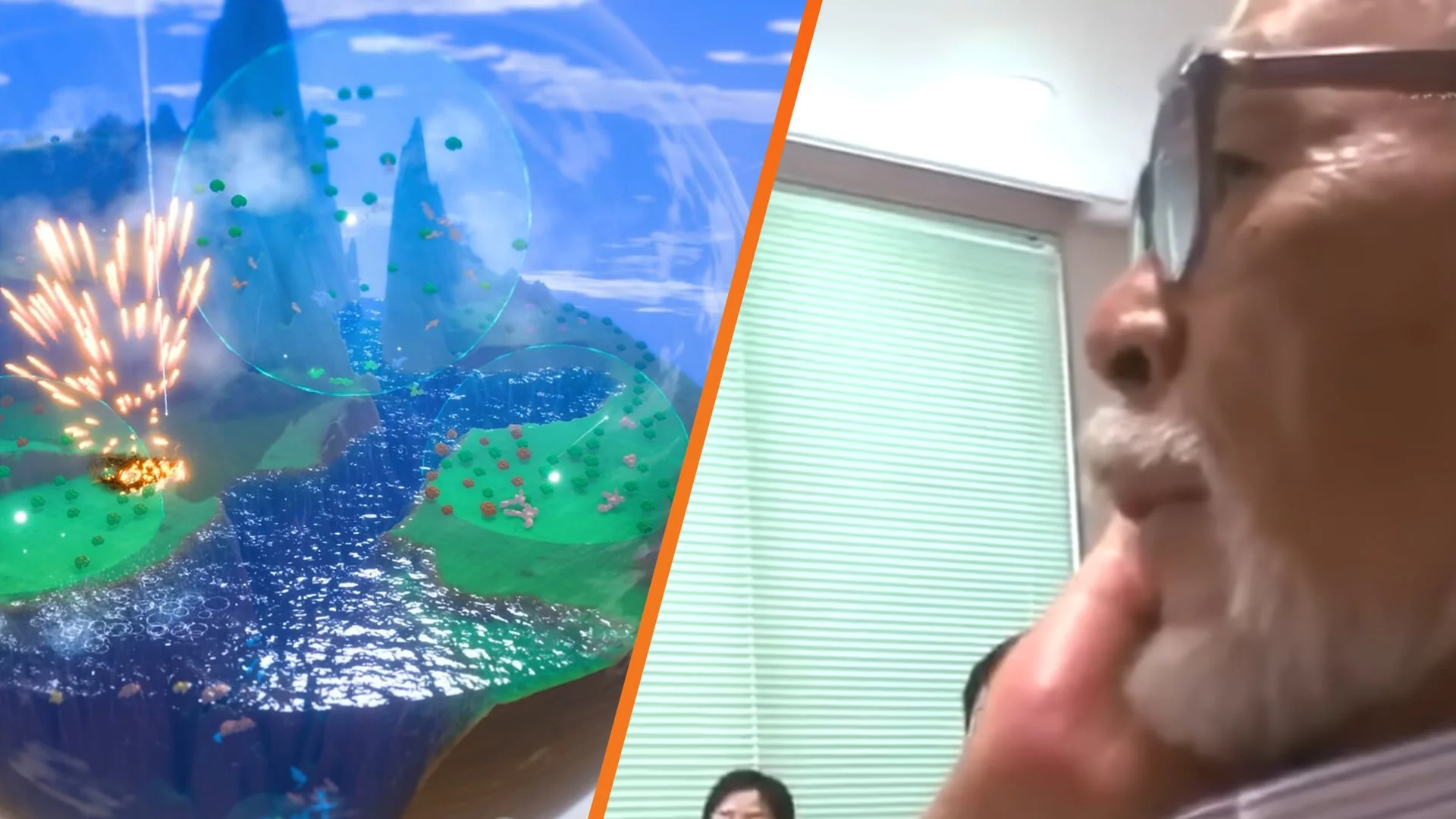
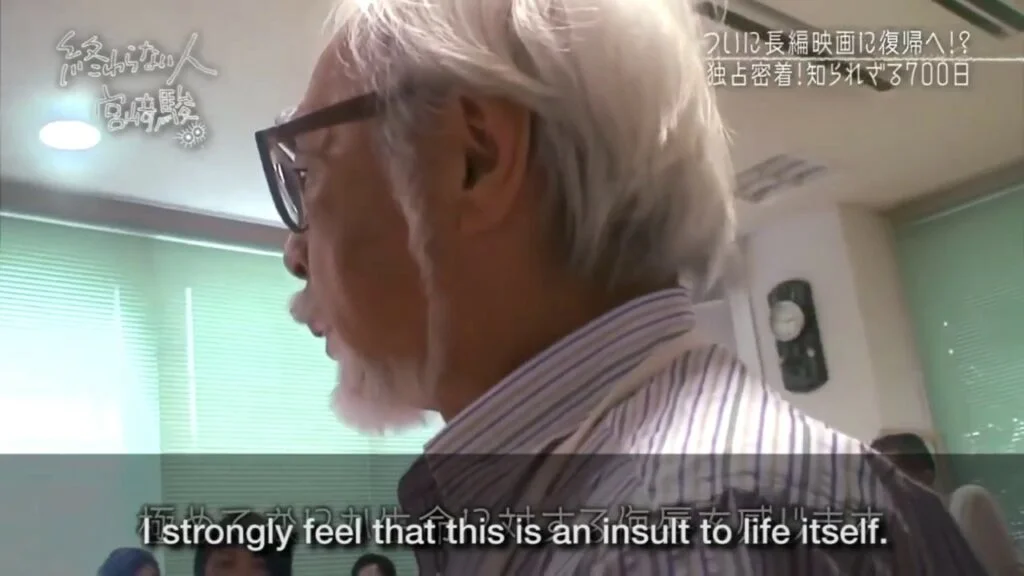
Ten years ago, a short, awkward video clip made the rounds, showing a demonstration of AI-driven animation. On one side sat Hayao Miyazaki, the legendary co-founder of Studio Ghibli, his face a mask of stone. On the other, the CEO of a Japanese tech company, Attructure, presented a simulation where a zombie-like creature learned to move on its own. Miyazaki's verdict? A chilling declaration: "an insult to life itself." Now, the game born from that very technology, ANLIFE: Motion-Learning Life Evolution, is set to launch, a decade later, on February 12th. This release isn't just a new video game; it's a living testament to a profound artistic and philosophical clash, a debate about creation, imitation, and the very essence of life, resurrected in a "cosy god sim."
Read More: Arc Raiders Game Sells 14 Million Copies, Much More Than Expected
The Genesis of Offense: A Collision of Worlds
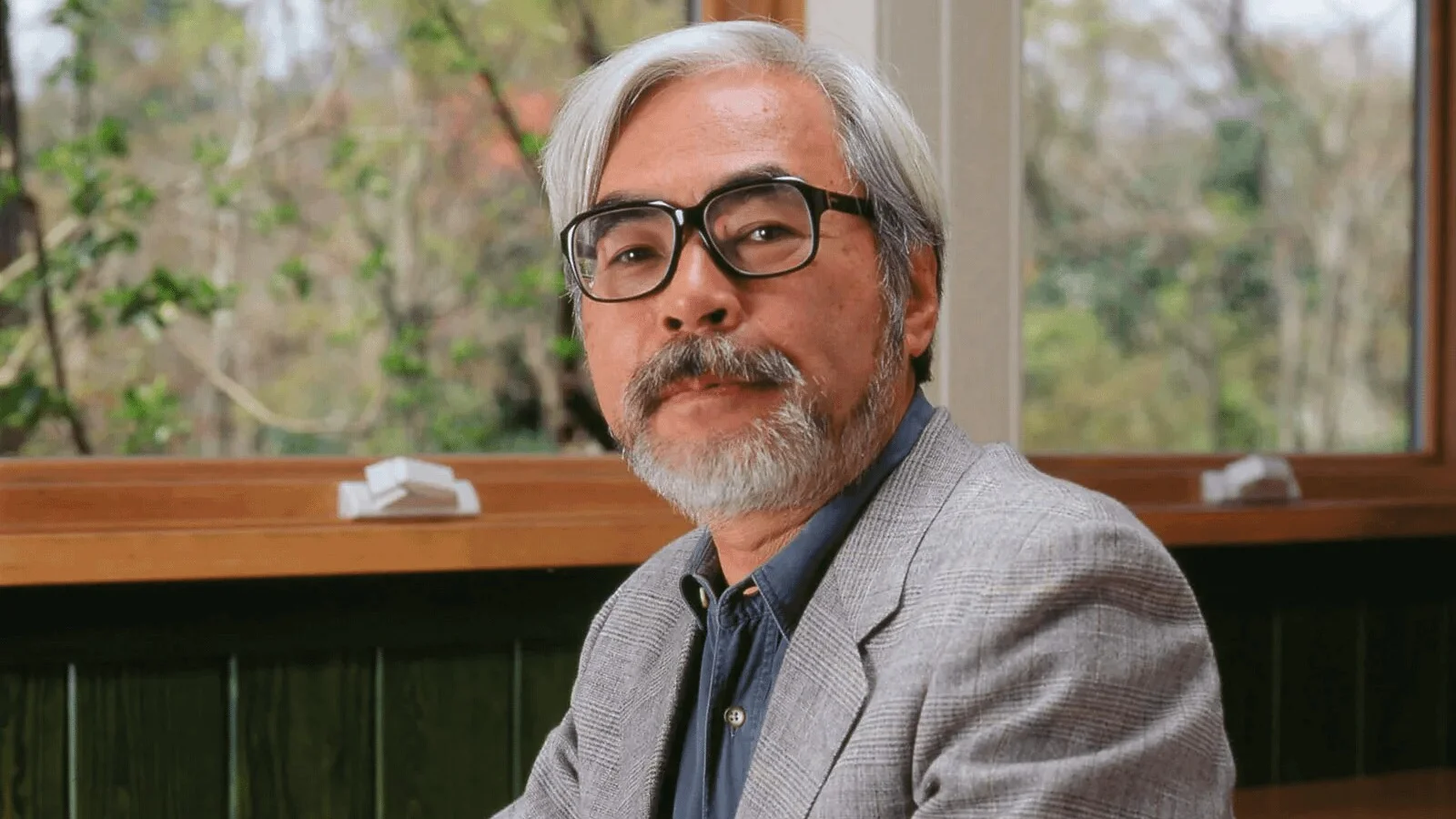
The controversy ignited in 2016 when Attructure's CEO, Nobuo Kawakami, presented a prototype animation system to Miyazaki. The system used machine learning to enable virtual creatures to learn how to move, rather than relying on human animators to meticulously craft each motion.
The Technology: At its core, the technology aimed to replicate biological processes of learning and movement in a digital space. This was achieved by having the virtual entities, initially appearing somewhat grotesque and zombie-like, figure out locomotion through trial and error, driven by physics.
Miyazaki's Reaction: The legendary animator, renowned for his dedication to the hand-drawn, expressive qualities of traditional animation, found the AI's output deeply disturbing. He famously stated that the movements reminded him of a disabled friend and, more broadly, that the entire endeavor felt like "an insult to life itself."
"I was really surprised that (Miyazaki) perceived the zombies in the video as (an insult to) life.”
The Aftermath: The incident, captured on video, went viral, leaving the presenter visibly mortified. It became a potent symbol of the growing unease many artists felt towards the burgeoning field of AI in creative pursuits. Miyazaki's words resonated deeply, particularly within the animation community, where hand-crafted artistry is often seen as intrinsically linked to human emotion and intent.
ANLIFE: From Zombie-like Grunts to a "Cosy God Sim"
The game now releasing, ANLIFE: Motion-Learning Life Evolution, is the direct descendant of the technology that sparked Miyazaki's ire. While the initial demonstration featured rudimentary, perhaps unsettling, zombie-like figures, the game itself has evolved significantly.
Read More: Key Speaker Leaves Tech Meeting Because of Data Concerns
Evolution of Design: Instead of humanoid or zombie-like characters, ANLIFE features colorful, blocky creatures. This deliberate choice seems to be an attempt to distance the game from the initial controversial appearance and focus on the underlying principles of evolution and emergent life.
"The upcoming game Anlife has opted for colorful, blocky creatures instead of humanoid characters. Our challenge is to recreate this profound process in digital space and give birth to new forms of life.”
Core Gameplay: Players take on the role of a "god," observing and influencing these physics-driven block-shaped life forms within a pocket world. The creatures learn to move, adapt to their environments (land, water, air), and evolve based on their interactions and a unique food system.
Food System: Two types of food exist: one that passes on genetic traits, and another that induces mutations, altering the creatures' physical forms (e.g., changing their block count). This introduces an element of player-driven evolution and potential diversification.
The Promise of Machine Learning: The developer, Attructure, harbors ambitious plans for ANLIFE. They hope that advanced machine learning will eventually allow the in-game creatures to evolve autonomously, progressing from basic movement to potentially developing complex behaviors and even "creating something like a civilization."
Miyazaki's Unwavering Stance: AI as an "Insult to Life"
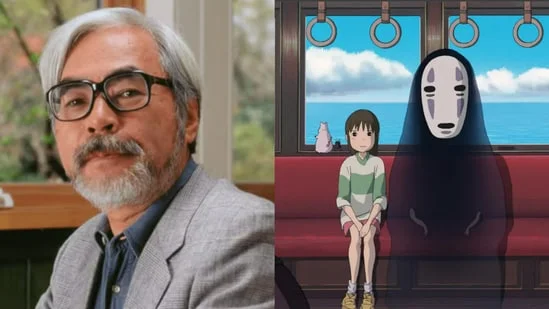
Hayao Miyazaki's critique of AI-generated art and animation isn't an isolated incident; it's a consistent theme that has resurfaced numerous times, particularly with the rise of generative AI tools.
Read More: High on Life 2 Game Is Out, People Talk About Its Funny Jokes and New Skateboard Moves
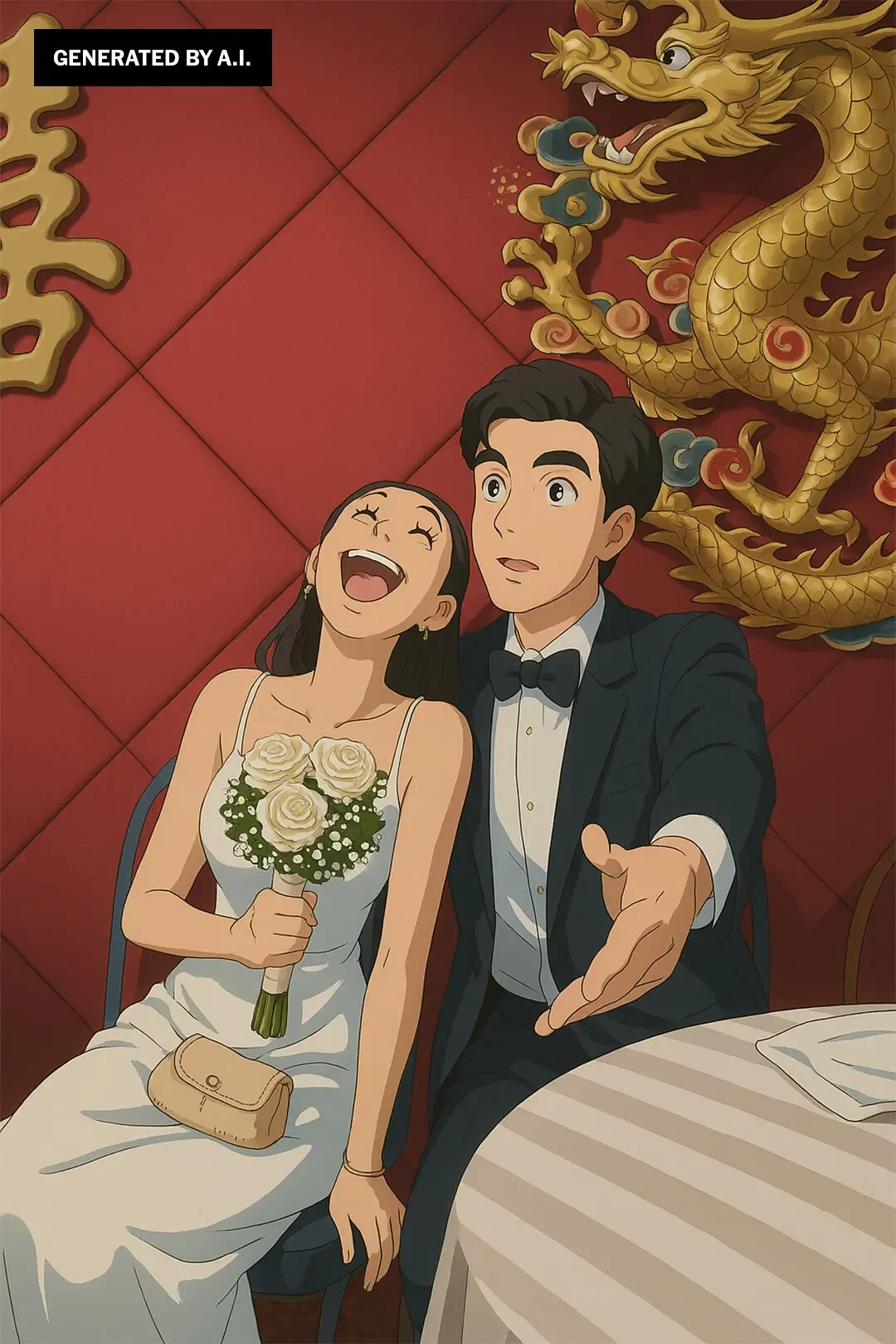
The AI Art Trend: The recent surge in AI-generated art, including "Studio Ghibli-style" images produced by tools like OpenAI's ChatGPT, has brought Miyazaki's past comments back into the spotlight.
"I strongly feel that this is an insult to life itself.”
Focus on Hand-Drawn Craftsmanship: Miyazaki is a staunch advocate for hand-drawn animation, a medium he has championed throughout his career, even as the industry shifted towards computer-generated imagery. His art emphasizes the meticulous detail, emotional nuance, and the inherent human touch that he believes is lost in algorithmic creation.
Critique of AI's Lack of Soul: His core argument against AI in art appears to stem from a belief that it lacks the depth, soul, and genuine intent that comes from human experience and creation. He sees it as a superficial imitation, devoid of the true essence of life and artistic expression.
"We humans are losing faith in ourselves."
Beyond Art: While his criticism is often framed around art and animation, the underlying sentiment suggests a broader concern about technology potentially devaluing or replacing uniquely human endeavors.
ANLIFE's Potential: A Testbed for Emergent Life or a Hollow Echo?
As ANLIFE prepares for its Steam release, it stands at a crossroads, embodying both the technological advancements that Miyazaki critiqued and the artistic philosophy he champions.
Read More: AI Safety Expert Leaves Anthropic, Says World is in Danger
The Question of "Life": Can a game with blocky creatures learning to move and evolve truly "recreate this profound process in digital space and give birth to new forms of life," as the developers claim? Or does it remain a sophisticated simulation, an echo of life rather than its true digital manifestation?
The "Cosy God Sim" Paradox: The descriptor "cosy god sim" suggests a playful, less confrontational experience than the original "zombie" prototype. Does this soften the ethical quandary, or does it merely mask a deeper debate about the nature of creation and artificiality?
Player Agency vs. Autonomy: With players acting as "gods," how much genuine autonomy will the creatures possess? Will their "civilizations" be emergent and unpredictable, or will they be guided by invisible player hands, ultimately proving Miyazaki's point about a lack of true independent creation?
A Decade of Evolution: The fact that ANLIFE is launching a decade after the initial controversy highlights the long, arduous path of developing such complex AI-driven systems. Has the technology matured enough to transcend Miyazaki's initial objections, or has it simply refined its imitation?
Expert Insights: The Unfolding Debate on AI and Art
The tension between human artistry and AI is a complex and ongoing conversation, with experts weighing in on its implications.
Read More: Highguard Game Studio Lays Off Workers After Game Release
"AI-generated art, at its current infancy stages, lacks the emotional depth and complexity of human-created art." (Ludo.ai)
This sentiment echoes Miyazaki's core concern. While AI can mimic styles and generate novel forms, the absence of lived experience, intent, and emotion remains a significant point of contention.
| Aspect | Human Creation | AI Creation |
|---|---|---|
| Origin | Lived experience, emotion, intent, consciousness | Algorithms, data sets, statistical probabilities |
| Process | Iterative, intuitive, often laborious | Computational, rapid, pattern-based |
| Emotional Depth | Inherently present, conveys subjective experience | Simulated, can be impressive but lacks true feeling |
| Artistic Integrity | Rooted in the artist's unique vision and struggle | Derived from existing data, raises questions of authorship |
The debate isn't simply about whether AI can create art, but what it means for art when it does. Does the value lie solely in the final product, or does the human process of creation hold intrinsic worth?
The Legacy of "An Insult to Life"
ANLIFE's release is more than just a new game entering the market; it’s a provocative challenge to a decade-old statement by one of animation's most revered figures. The game is built upon technology that Miyazaki deemed an affront to life itself.
Read More: Windows Tools Can Help You Work Better
A Technological Statement: ANLIFE is a tangible representation of the advancements in machine learning and artificial life simulations. Its success or failure will, in part, be judged by how well it lives up to its own ambitious claims of fostering emergent, evolving digital life.
The Philosophical Question: Can we truly create "life" in a digital space, or are we merely building increasingly sophisticated simulations? Does the appearance of life, or the process of learning and evolution, warrant a different ethical consideration than the art that offended Miyazaki?
A Continuing Dialogue: The launch of ANLIFE will undoubtedly reignite the discussion about AI in creative fields. It forces us to confront what we value in art and creation: the flawless execution of an algorithm, or the imperfect, messy, but profoundly human touch of an artist.
Miyazaki's Shadow Looms: Even with colorful blocks replacing zombies, the ghost of Miyazaki's critique hangs over ANLIFE. The game’s existence serves as a constant reminder of the fundamental questions about life, creation, and the human spirit that technology, for all its power, may never fully answer. The world will be watching to see if ANLIFE can evolve beyond its controversial origins and truly offer something new, or if it will remain a powerful, yet ultimately hollow, imitation.
Sources:
Read More: Game Maker Wildlight Lets Go of Staff After New Game Launch
IGN: https://www.ign.com/articles/japanese-developer-behind-tech-that-studio-ghiblis-hayao-miyazaki-called-an-insult-to-life-itself-to-release-cosy-god-sim-game
ResetEra (PC News): https://www.resetera.com/threads/developer-whose-project-was-called-%E2%80%9Can-insult-to-life-itself%E2%80%9D-by-ghiblis-hayao-miyazaki-to-launch-%E2%80%9Cgod-simulator%E2%80%9D-game-on-february-12.1426246/
VGC: https://www.videogameschronicle.com/news/a-game-from-the-team-that-offended-studio-ghiblis-hayao-miyazaki-with-its-ai-zombie-animation-is-out-next-week/
CBR: https://www.cbr.com/anlife-steam-release-date-studio-ghibli-hayao-miyazaki-hate/
Livemint: https://www.livemint.com/companies/people/who-is-miyazaki-hayao-studio-ghibli-co-founder-who-calls-ai-images-an-insult-to-life-all-you-need-to-know-11743131692342.html
Hindustan Times: https://www.hindustantimes.com/world-news/who-is-hayao-miyazaki-5-things-about-the-genius-behind-studio-ghibli-what-did-he-say-about-ai-animation-101743246895999.html
Open Culture: https://www.openculture.com/2017/03/hayao-miyazaki-tells-video-game-makers-what-he-thinks-of-their-characters-made-with-artificial-intelligence.html
News18: https://www.news18.com/amp/world/who-is-hayao-miyazaki-all-about-studio-ghibli-co-founder-who-once-called-ai-generated-art-an-insult-to-life-9277891.html
The Steamology Project: https://www.thesteamologyproject.org/podcast/studio-ghiblis-fight-for-artistic-integrity-miyazaki-speaks-out-against-ai/
IBTimes: https://www.ibtimes.co.uk/legendary-animator-hayao-miyazaki-slams-ai-generated-animation-insult-life-itself-1596036
Nerdist: https://nerdist.com/article/miyazaki-comments-resurface-after-studio-ghibli-ai-trend/
NDTV: https://www.ndtv.com/world-news/quot-i-would-never-incorporate-this-quot-what-studio-ghibli-039-s-hayao-miyazaki-once-said-about-ai-animation-8021037