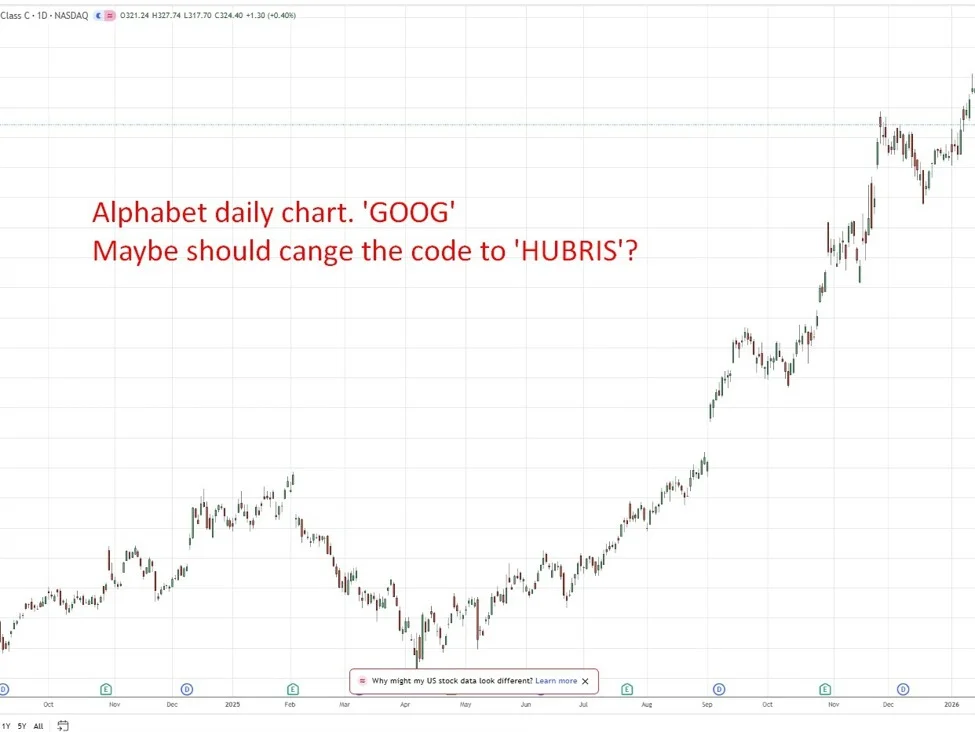
Michael Burry, known for his insights into market trends, has drawn a parallel between Alphabet's recent decision to issue a 100-year bond and Motorola's situation in 1997. This comparison has sparked discussion about the potential implications for the technology giant and the broader market, especially in light of increasing investments in artificial intelligence.

Alphabet's Bond Issuance and Market Reactions
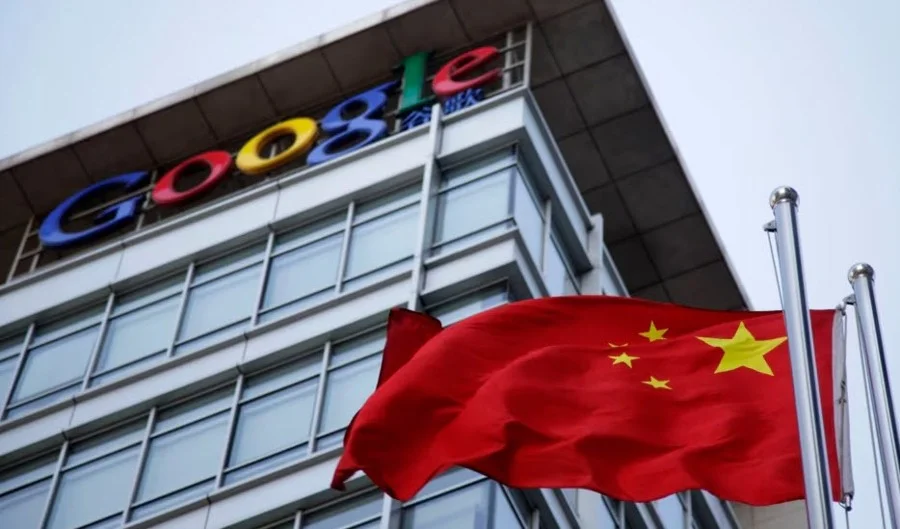
Alphabet, the parent company of Google, is planning a significant bond sale. A notable aspect of this offering is the inclusion of a 100-year bond, an uncommon financial instrument in the tech sector. This move comes as Alphabet, like other major tech firms, is substantially increasing its spending on artificial intelligence development, including custom AI chips and large-scale data centers. The bond sale aims to secure funds for these expanding capital expenditures.
Read More: Amazon Prime Was Faster and Saved People Money in 2025
Bond Offering Details: Alphabet's bond issuance spans multiple currencies, including US dollars, British pounds, and Swiss francs, with maturities ranging from three to 100 years. The total value of the offering could reach $20 billion, with initial demand reportedly around $100 billion.
Historical Rarity: A 100-year bond is a rare financial product, particularly within the technology industry. Its last significant appearance in tech dates back to the dot-com era.
Investment Drivers: The funds are earmarked for significant investments in AI infrastructure, such as specialized data centers and GPU clusters, and to support new product developments in online search and AI.
Burry's Motorola Comparison
Michael Burry has voiced his concerns by comparing Alphabet's 100-year bond issuance to Motorola's financial and market position in 1997. He highlights that 1997 was a peak year for Motorola in terms of market capitalization and revenue, and its brand was highly regarded. However, subsequent events, including Nokia's rise in mobile phones and the advent of the iPhone, led to a significant decline in Motorola's consumer relevance and market value.
Read More: UK Economy Grew Very Little at End of 2025
"Alphabet looking to issue a 100-year bond. Last time this happened in tech was Motorola in 1997, which was the last year Motorola was considered a big deal." - Michael Burry (via Substack)
Motorola's 1997 Status: At the beginning of 1997, Motorola was among the top 25 companies in the US by market cap and revenue. Its brand was ranked number one in the US, ahead of Microsoft.
Post-1997 Decline: After 1997, Motorola faced increased competition in the mobile phone market, eventually losing its dominant position. The introduction of the iPhone further diminished its standing in the consumer electronics landscape.
Broader Context of Tech Debt and AI Spending
Alphabet's decision to issue long-term debt is part of a larger trend of increased borrowing within the technology sector. This surge in debt issuance is closely linked to the significant capital required for AI development and the ongoing "AI arms race."
Read More: Why Some Programmers Choose Special Languages
Surge in Tech Borrowing: The technology sector is experiencing a broad increase in borrowing activities.
AI Investment: Companies like Alphabet are making massive investments to fund their AI initiatives, which require substantial resources for hardware, research, and infrastructure.
Market Concerns: Some analysts suggest that the reliance on long-dated debt, especially in a rapidly evolving field like AI, might signal underlying market conditions or strategies that warrant close examination.
Rare Financial Instruments and Market Signaling
The issuance of a 100-year bond is a significant event, especially for a technology company. It suggests a long-term financial strategy and an assessment of future revenue streams. The fact that it is being issued in currencies like sterling and Swiss francs, alongside dollars, also points to a diversified approach to debt management.
Investor Demand: The strong investor demand for Alphabet's bonds, including the long-term ones, indicates confidence in the company's creditworthiness and its ability to meet its long-term obligations. Analysts note this reflects investor appetite for high-quality, long-dated corporate credit.
Cost-Effectiveness: Issuing bonds in certain markets, like sterling, can offer lower interest rates compared to dollar bonds, making the debt more cost-effective for the issuer.
Potential Implications: The rarity of such a long-term issuance in tech raises questions about how companies are planning for their future and managing the risks associated with long-term financial commitments in a fast-changing industry.
Analysis of Burry's Stance
Michael Burry's comparison suggests he views Alphabet's long-term debt strategy as a potential indicator of underlying challenges or a strategic bet that might face significant headwinds. His reference to Motorola implies that even market leaders can experience substantial decline when faced with disruptive technological shifts and competitive pressures, particularly after a period of perceived dominance.
Read More: Companies Need to Build Strength into Daily Work
Underlying Worries: Burry's commentary, though often brief, suggests a concern about the sustainability of Alphabet's current market position and future growth trajectory, especially in the context of its substantial AI investments and borrowing.
Market Signals: By drawing this historical parallel, Burry is likely signaling that the current market conditions and Alphabet's strategic moves might echo past scenarios where a dominant company faced unforeseen challenges.
Focus on AI: The discussion also touches upon fears that tech giants might be overexposed to AI, with some smaller AI firms potentially at higher risk of failure, though major tech companies remain financially robust.
Conclusion and Next Steps
Alphabet's decision to issue a 100-year bond is a notable financial event, driven by its ambitious AI investment plans. Michael Burry's comparison to Motorola's past decline serves as a historical caution, suggesting potential vulnerabilities for long-term market leaders facing technological evolution.
Read More: Software Jobs Changing, Not Ending, Because of AI
Future Outlook: The success of Alphabet's long-term debt strategy will depend on its ability to sustain innovation, manage competition, and adapt to the evolving technological landscape, particularly in the field of AI.
Market Monitoring: Investors and analysts will be closely observing Alphabet's performance and the broader implications of such long-term debt issuance in the tech sector.
Further Inquiry: Understanding the precise risk assessments and financial projections that led Alphabet to issue such long-dated debt will be crucial in evaluating the long-term implications of this strategic decision.
Sources
Stocktwits: https://stocktwits.com/news-articles/markets/equity/the-big-short-michael-burry-alphabet-bond-sale-motorola-similar-move-in-1997/cZbvdfLR4oL - Published ~20 hours ago. Reports on Michael Burry's comparison of Alphabet's bond sale to Motorola's past.
Firstpost: https://www.firstpost.com/explainers/alphabet-100-year-bond-sale-ai-spending-big-tech-debt-explained-13978080.html - Published ~7 hours ago. Explains the rarity and significance of Alphabet's 100-year bond sale, mentioning Motorola.
AASTOCKS: http://www.aastocks.com/en/usq/news/comment.aspx?id=NOW.1502412&catg=4 - Details Michael Burry's comparison of Alphabet's bond issuance to Motorola, suggesting future crisis.
Michael Burry (Substack): https://substack.com/@michaeljburry/note/c-212166605 - Published ~20 hours ago. Direct statement from Michael Burry on Substack linking Alphabet's bond issuance to Motorola's 1997 status.
Finbold: https://finbold.com/michael-burry-issues-dire-forecast-for-google-stock-amid-100-year-bond-plans/ - Published ~4 hours ago. Reports on Michael Burry's warning regarding Alphabet's 100-year bond plans and potential end of dominance.
Boursier.com: https://www.boursier.com/actions/actualites/news/alphabet-une-obligation-a-100-ans-du-jamais-vu-depuis-l-eclatement-de-la-bulle-internet-978163.html - Describes Alphabet's 100-year bond as unprecedented since the dot-com bubble burst, linking it to AI spending.
Latestly: https://www.latestly.com/technology/alphabets100-year-bond-know-why-googles-parent-is-issuing-a-rare-century-bond-in-2026-7308138.html - Published ~12 hours ago. Explains the reasons behind Alphabet issuing a rare century bond, focusing on AI chip and data center funding.
Shacknews: https://www.shacknews.com/article/147801/google-googl-alphabet-bonds-100-year-debt-maturity - Published ~20 hours ago. Reports on Alphabet's aim to sell bonds with up to a 100-year maturity to fund AI and search developments.
investingLive: https://investinglive.com/stocks/alphabet-plans-100-year-bond-in-landmark-tech-debt-sale-first-100yr-since-dot-com-era-20260210/ - Published ~13 hours ago. Highlights Alphabet's plan for a rare 100-year bond, the first in tech since the dot-com era.
Euronews: https://www.euronews.com/business/2026/02/10/alphabet-plans-to-sell-rare-100-year-bond-in-huge-multi-currency-debt-raise - Published ~2 hours ago. Details Alphabet's plan for a rare 100-year bond in sterling as part of a multi-currency debt raise.
Swissinfo: https://www.swissinfo.ch/eng/alphabet-sells-sterling,-swiss-franc-bonds-in-global-debt-binge/90918612 - Published ~2 hours ago. Reports on Alphabet selling sterling and Swiss franc bonds, including a 100-year note.
Benzinga: https://www.benzinga.com/markets/tech/26/02/50487630/michael-burry-warns-alphabets-100-year-bond-move-mirrors-motorolas-1997-decline - Published ~1 day ago. Michael Burry warns that Alphabet's 100-year bond move mirrors Motorola's 1997 decline.
Economic Times: https://economictimes.indiatimes.com/news/international/us/michael-burry-says-alphabets-century-bond-gamble-revives-motorolas-1997-peak-and-what-came-next/articleshow/128123439.cms - Published ~20 hours ago. Michael Burry links Alphabet's century bond issuance to Motorola's 1997 peak and subsequent events.
Wikipedia (Michael Burry): https://en.wikipedia.org/wiki/MichaelBurry - Published ~2 days ago. Provides background information on Michael Burry.
Read More: Sir Jim Ratcliffe Called Hypocrite for Immigration Comments