Tensions are high at the Australian Broadcasting Corporation (ABC) as unionised staff are moving towards potential strike action. This comes after repeated failures to reach an agreement with management on pay and working conditions. Hundreds of staff have voted in favour of protected action ballots, signalling a significant escalation in the dispute. The outcomes could lead to broadcast disruptions, impacting services relied upon by the public.
The core issue is a disagreement over pay increases. Staff representatives are seeking better compensation, while management's offers have thus far been deemed insufficient. This impasse, ongoing for some time, has pushed employees to consider withdrawing their labour as a means to exert pressure.
Timeline of Events and Key Players
The dispute over pay and conditions at the ABC has been a developing situation over a considerable period. Various unions representing different staff groups have been involved in negotiations with ABC management.
Read More: Mel McLaughlin Is Still Off TV, People Are Talking
Unionised staff, primarily represented by the Media, Entertainment and Arts Alliance (MEAA) and the Community and Public Sector Union (CPSU), are the primary group seeking improved terms.
ABC management, led by Managing Director David Anderson, is responsible for negotiating on behalf of the organisation.
Key dates indicate a progression of actions:
February 2023: Over 1,000 staff filed for ballots for strike action, with offers of 3.5% in 2022, 3% in 2023, and 2.5% in 2024.
March 1, 2023: MEAA members voted for a 40-minute walkout, with a strike planned for March 7.
March 7, 2023: Strike plans were postponed after an improved offer was made, proposing a 4% annual increase for two years and 3% in the third, with a clause for junior staff performance.
March 21, 2023: MEAA cancelled strike plans after an in-principle agreement, but CPSU members proceeded with action due to dissatisfaction.
March 22-23, 2023: CPSU members engaged in strike action, causing broadcast disruptions.
Recent Activity (February 2026 and later): Renewed votes for protected action ballots indicate the dispute has resurfaced or not been fully resolved.
May 2025: ABC announced plans for a new operating model, raising concerns about job security ahead of pay talks.
July 2025: Staff rejected a pay offer that included forfeiting strike rights for 12 months in exchange for a 3% rise.
August 2025: ABC floated an 'impartiality' clause in pay talks, with staff pushing for 5.5% annual rises.
The involvement of multiple unions highlights the broad base of discontent among ABC employees. The differing actions by MEAA and CPSU at times suggest varying priorities or stages of negotiation between the groups.
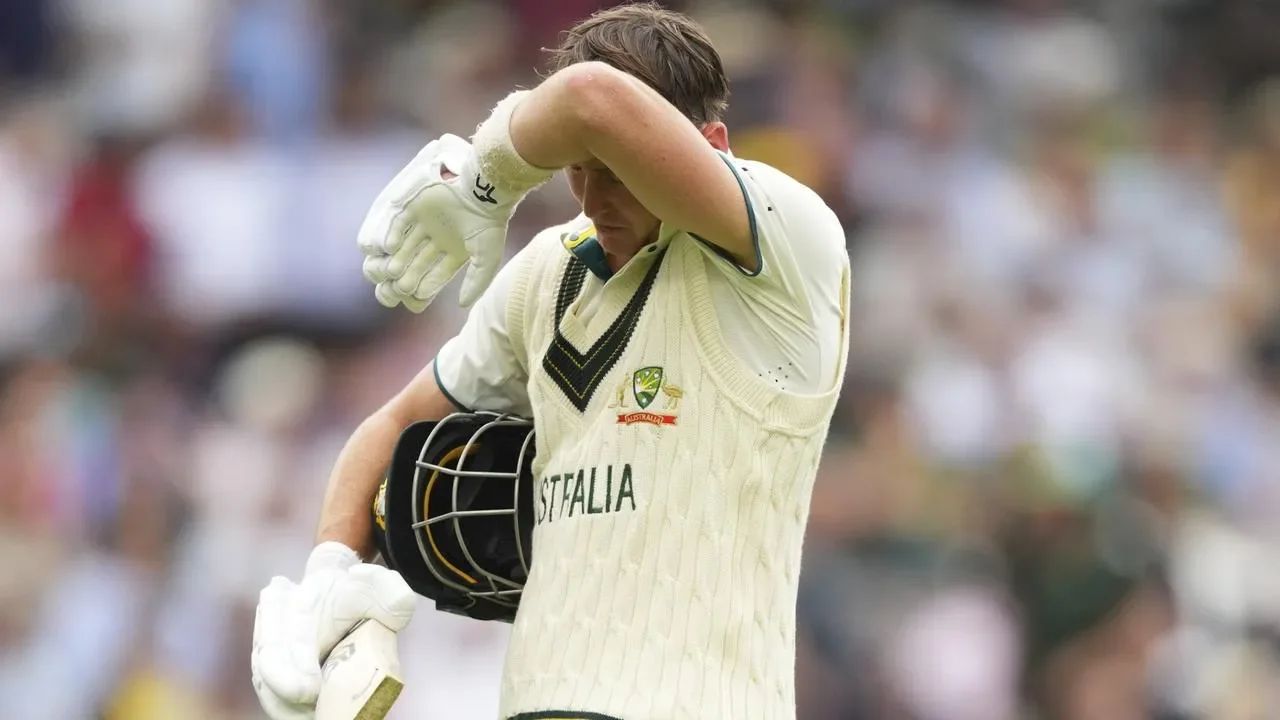
Read More: Australian Cricket Teams Make Mistakes in Big Games

Stalled Negotiations and Union Mandates
The current impasse stems from ongoing bargaining talks that have failed to produce a satisfactory outcome for unionised staff. Hundreds of MEAA members have unanimously voted in favour of a protected action ballot, signalling a strong collective will to pursue industrial action. This vote is a formal step, allowing staff to take action legally if negotiations remain stalled.
Unanimous Support: The MEAA vote indicates a lack of division within the union's membership regarding the need for action.
Formal Process: A protected action ballot is a precursor to strikes, requiring a period for staff to vote on the specific actions they wish to take.
Broad Scope: This action involves staff from across ABC's national newsrooms, suggesting a widespread impact.
CPSU Involvement: The CPSU, representing non-journalistic staff, is expected to conduct a similar vote, potentially broadening the scope of any industrial action.
Read More: BBC Plans Big Cost Cuts for Next Three Years
This procedural step by the unions underscores their readiness to escalate the dispute if management does not present a more amenable offer.
Management's Offers and Union Rejections
ABC management has presented several pay rise proposals throughout the negotiation process. These offers, however, have not met the expectations of the unions, leading to their rejection and the subsequent pursuit of industrial action.
Initial Offers: In early 2023, management's offer included 3.5% for 2022, 3% for 2023, and 2.5% for 2024. This was met with resistance.
Improved Offer (March 2023): A subsequent offer proposed 4% per annum for the first two years and 3% in the third, along with a performance-based clause for junior staff. This offer led to the postponement of planned strikes by MEAA members.
Later Offers: More recently, offers have included a 3% pay rise contingent on staff forfeiting their right to industrial action for 12 months, which was rejected. Staff are currently pushing for 5.5% annual pay rises.
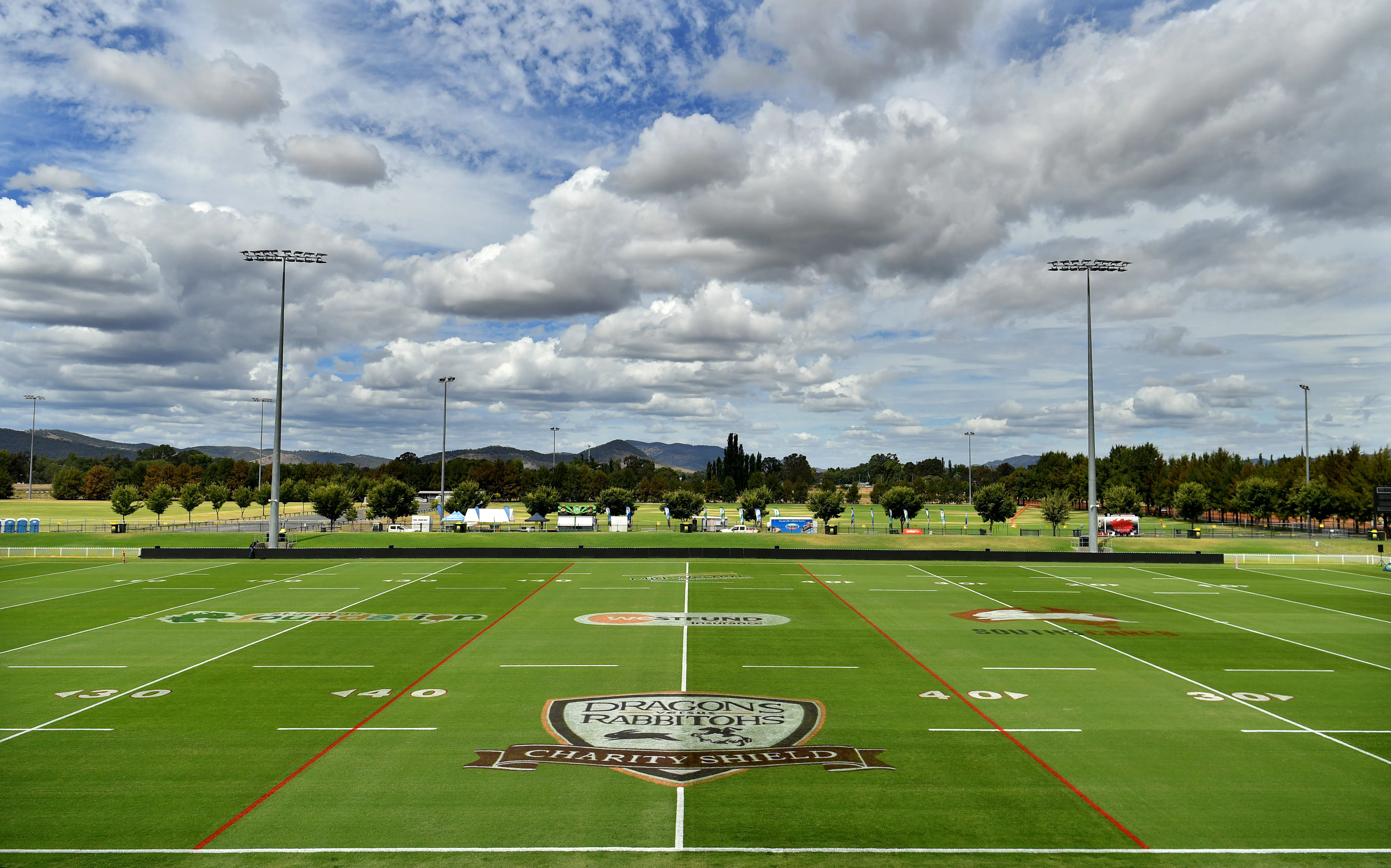
Read More: Dragons and Rabbitohs Play 43rd Charity Shield Game
The recurring theme is a gap between the percentage increases offered by management and the increases sought by staff. This discrepancy, coupled with conditions attached to offers, has perpetuated the conflict.

Industrial Action and Its Impact
The dispute has already seen various forms of industrial action, including walkouts and the potential for broader strikes. These actions have caused tangible disruptions to ABC services.
Short-Term Walkouts: In March 2023, MEAA members undertook a 40-minute strike, and CPSU members engaged in hour-long walkouts.
Broadcast Disruptions: Strike action on March 22, 2023, led to disruptions in Radio National programs and other broadcasts, marking the first time in over a decade that industrial action caused such impacts.
Potential for Escalation: The current ballots suggest the possibility of more sustained or widespread action, up to and including 24-hour strikes.
Read More: Judge Sets February 2027 Trial for Trump Lawsuit Against BBC
The use of industrial action as a tactic highlights the seriousness with which staff view the current negotiations. The impact on broadcasting raises questions about the ABC's operational resilience during staff disputes.
Expert Analysis and Observations
The protracted nature of these pay negotiations points to deeper issues within the ABC's industrial relations landscape. Experts suggest that successful resolution hinges on more than just financial figures.
Trust Deficit: Reports suggest that a lack of trust between management and staff has developed over the course of these negotiations. One article noted that "ABC management now must begin to rebuild trust with its workforce."
Broader Concerns: Beyond pay, issues such as the progression of junior journalists and job security (as indicated by the May 2025 operating model announcement) appear to be significant underlying factors.
Cost of Living: The backdrop of a cost of living crisis (as mentioned in relation to ABC Council disputes) likely amplifies staff demands for higher pay.
Management's Position: Management has, at times, been described as having "stonewalled for months" or showing "no respect" for union members, indicating a perceived inflexibility.
Read More: Ed Sheeran Starts 2026 Australia Tour with Big Show
The analysis suggests that a comprehensive approach, addressing not only remuneration but also job security and the perceived respect for employees, may be necessary to find a lasting solution.
Conclusion and Future Considerations
The situation at the ABC indicates a persistent industrial dispute driven by disagreements over pay and conditions. Staff representatives, having taken steps towards protected industrial action through unanimous votes, are signalling a firm stance.
Current Status: Unionised ABC staff are proceeding with steps towards strike action following failed pay deal talks.
Key Demands: The central issues remain satisfactory pay increases and improved working conditions, with staff currently pushing for 5.5% annual rises.
Management's Stance: Management's offers have been repeatedly rejected, with recent proposals including conditions that staff find unacceptable.
Potential Outcomes: Further industrial action, including strikes, remains a strong possibility, which could lead to significant disruptions to ABC services.
Underlying Issues: Factors such as job security concerns and a perceived lack of trust in management appear to be exacerbating the pay dispute.
Read More: F1 Driver Oscar Piastri Worries About New Car Rules
The path forward likely requires a renewed commitment from both sides to find common ground, potentially involving revised offers and a more collaborative approach to negotiations to prevent further escalation and restore stability.
Sources
smh.com.au: Reports on ABC staff moving to strike after pay deal talks stall. (https://www.smh.com.au/business/companies/abc-staff-move-to-strike-after-pay-deal-talks-stall-20260213-p5o24n.html)
afr.com: Details over 1,000 ABC staff filing for 'circuit breaker' strike action. (https://www.afr.com/companies/media-and-marketing/more-than-1000-abc-staff-file-for-circuit-breaker-strike-action-20230201-p5ch6p)
theguardian.com: Covers ABC staff set to walk off the job on March 7, marking the first industrial action in 17 years. (https://www.theguardian.com/media/2023/mar/01/abc-staff-to-walk-off-the-job-on-7-march-in-first-industrial-action-in-17-years)
bandt.com.au: Reports on ongoing ABC staff strike action and management's perceived lack of respect for union members. (https://www.bandt.com.au/abc-staff-strike-continues-management-showing-no-respect-for-union-members/)
crikey.com.au: Documents ABC strike action resulting in broadcast outages. (https://www.crikey.com.au/2023/03/22/abc-staff-strike-broadcast-outages/)
smh.com.au: Details ABC staff considering a new pay offer after indefinitely postponing a strike. (https://www.smh.com.au/business/companies/abc-staff-mulling-new-pay-offer-after-strike-postponed-indefinitely-20230307-p5cq0f.html)
capitalbrief.com: Discusses ABC staff shake-up sparking job cut fears ahead of pay talks. (https://www.capitalbrief.com/article/abc-staff-shake-up-sparks-job-cut-fears-ahead-of-pay-talks-84831960-3389-4ebe-924b-c1d5f465f9b1/)
smh.com.au: Reports on ABC staff cancelling a strike after securing a pay rise, though some feel disrespected. (https://www.smh.com.au/business/companies/abc-staff-cancel-strike-after-winning-pay-rise-but-some-rankled-by-disrespect-20230321-p5cu3h.html)
crikey.com.au: Notes ABC staff planning a 40-minute strike for a better pay deal. (https://www.crikey.com.au/2023/03/01/abc-staff-wages-media-union-meaa-strike/)
ieuqnt.org.au: Highlights ABC staff intending to strike for secure, sustainable jobs. (https://ieuqnt.org.au/abc-staff-to-strike-for-secure-sustainable-jobs/)
crikey.com.au: States ABC staff rejected a pay deal that required forfeiting strike action rights. (https://www.crikey.com.au/2025/07/10/abc-pay-deal-meaa-striking-hugh-marks/)
capitalbrief.com: Covers ABC proposing an 'impartiality' clause during pay deal discussions with staff. (https://www.capitalbrief.com/article/abc-floats-impartiality-clause-in-pay-deal-talks-with-staff-3965e66d-9673-4341-808f-c26d1601fcfd/)