
A bombshell global report reveals a staggering number of cancers are within our reach, yet crucial questions linger about inaction and public health priorities.
A sweeping new international study has dropped a truth bomb: seven million cancers diagnosed each year are preventable. That's not a typo. It's a colossal figure, painting a stark picture of what we could be avoiding if we truly addressed the known culprits. The report, compiled by the International Agency for Research on Cancer (IARC), a division of the World Health Organization (WHO), dives deep into 30 modifiable risk factors and nine cancer-causing infections that are hijacking our health. While some cancers are sadly inevitable, due to aging or inherited genes, the sheer scale of the preventable cases demands a radical re-evaluation of our priorities. This isn't just about statistics; it's about millions of lives, families, and futures that could be drastically different.
Read More: India IVF Costs And Social Barriers Limit Access In April 2026
The Unseen Culprits: What the Numbers Reveal
The IARC's groundbreaking analysis didn't just pull numbers out of thin air. It meticulously examined factors that directly damage our DNA, like smoking and ultraviolet (UV) radiation, and those that subtly alter our bodies, such as obesity, lack of physical activity, and even pervasive air pollution. The report highlights that these aren't abstract threats; they are tangible risks that, when unchecked, sow the seeds of disease.
Key Findings from the IARC Report:
Seven million cancer cases annually are preventable.
Thirty modifiable risk factors were assessed.
Nine cancer-causing infections were specifically identified.
Some factors, like H. pylori (linked to stomach cancer) and HPV (linked to cervical cancer), alone account for nearly half of all preventable cancer cases.
This isn't the first time researchers have pointed fingers at preventable causes. Previous studies, while often focusing on cancer deaths rather than cases, have echoed similar concerns. A significant study reported by Nature emphasizes that over one-third of cancer cases are linked to well-established causes like tobacco, alcohol, and infections. The sheer magnitude of the IARC's findings, however, puts a spotlight on the sheer preventability of so many diagnoses, not just fatalities.
Read More: Super El Nino 2026 Starts Now Causing Extreme Global Weather Changes

"Estimates of preventability have mainly focused on the number of deaths rather than cases and have mostly investigated a single risk factor." - Nature
A Deep Dive into Preventable Factors
The IARC report breaks down the drivers of preventable cancers, offering a clear roadmap of where intervention could make the biggest difference. It's a sobering inventory of our lifestyle choices, environmental exposures, and the persistent threat of infectious agents.
Direct DNA Damage:
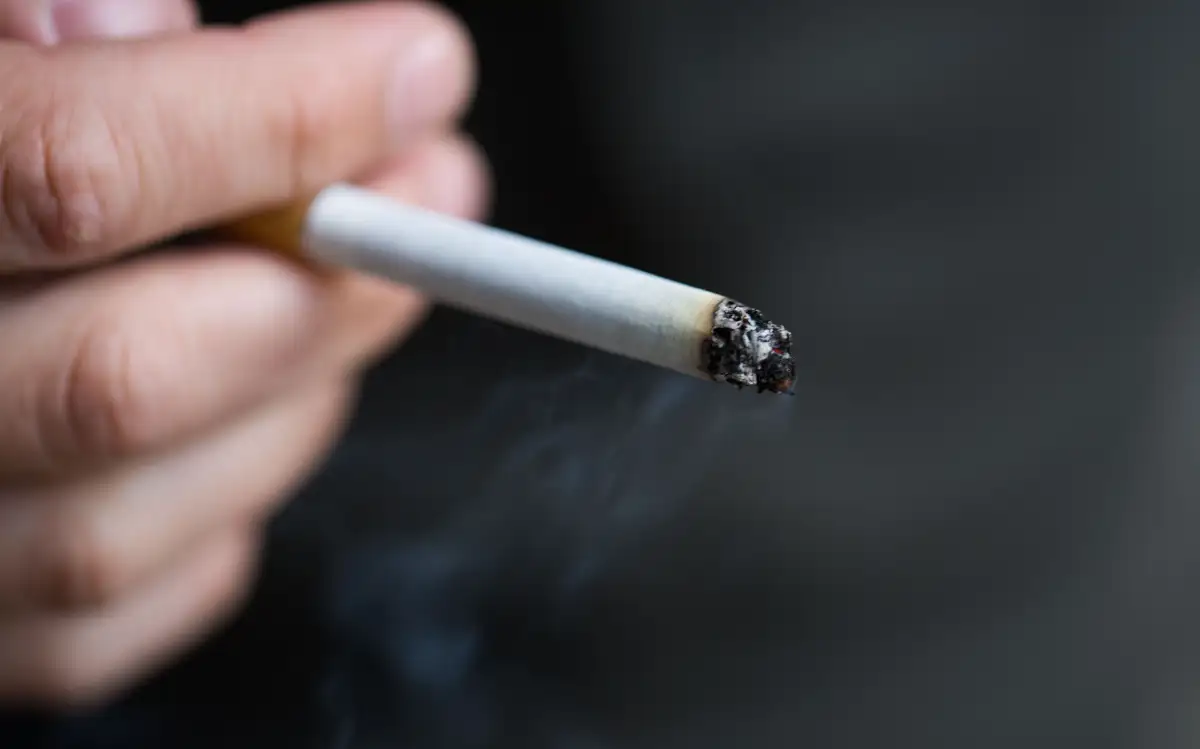
Smoking: A well-documented carcinogen, impacting multiple organs.
UV Radiation: Primarily from sun exposure, leading to skin cancers.
Metabolic and Inflammatory Alterations:
Obesity: Linked to hormonal imbalances and chronic inflammation.
Lack of Physical Activity: Contributes to weight gain and metabolic dysfunction.
Environmental Threats:
Air Pollution: Even low levels can promote cancer development.
Infectious Agents:
H. pylori: A bacterium strongly linked to stomach cancer.
HPV (Human Papillomavirus): A primary cause of cervical cancer and other related cancers.
Hepatitis Viruses (B and C): Significant contributors to liver cancer.
The report makes it clear: these factors aren't merely contributing to higher risks; they are directly attributable to a substantial proportion of diagnosed cancers. For instance, a report from Chief Healthcare Executive noted that in 19 out of 30 cancers studied, more than half of the cases and deaths were tied to preventable risk factors.
"The largest number of attributable cases tied to inactivity were breast cancer and colon cancer. The combo accounted for a quarter of all cancer deaths in women and almost 1 in 5 cancer deaths among men." - Chief Healthcare Executive
Who is Most Affected? The Disproportionate Burden
While preventable cancers affect everyone, the impact isn't distributed equally. Certain cancers and specific populations bear a heavier burden. For example, breast and colon cancers, heavily influenced by inactivity, are highlighted as major contributors to cancer deaths, particularly among women.
Read More: Georgia Toffolo's Lake Como Trip After Fertility Talks
| Cancer Type | Attributable Deaths (as % of total) | Notes |
|---|---|---|
| Breast Cancer | High percentage (especially in women) | Significantly linked to inactivity. |
| Colon Cancer | High percentage (especially in men) | Also heavily linked to inactivity. |
| Cervical Cancer | Nearly half of preventable cases | Directly linked to HPV infection. |
| Stomach Cancer | Nearly half of preventable cases | Directly linked to H. pylori infection. |
| Liver Cancer | Linked to Hepatitis Viruses | Preventable through vaccination and treatment. |
The existence of these stark figures begs a critical question: If we know so much about what causes cancer, and we know how to prevent a massive chunk of it, why are these numbers still so high? Are public health campaigns sufficiently robust? Is access to preventative measures like HPV vaccines or hepatitis treatments equitable?

The Infection Connection: A Hidden Epidemic
The IARC's spotlight on cancer-causing infections is particularly alarming. These aren't abstract environmental hazards; they are biological agents that, when present, significantly escalate cancer risk. The report singles out H. pylori, HPV, and hepatitis viruses as major players, responsible for a significant portion of preventable cancers.
The Impact of Infections:
HPV: Responsible for nearly half of all preventable cancer cases when considering infections. Vaccination can prevent a vast majority of HPV-related cancers.
H. pylori: A key driver of stomach cancer, treatable with antibiotics.
Hepatitis B and C: Leading causes of liver cancer, preventable through vaccination (Hep B) and treatable (Hep C).
This raises a crucial point: Are we doing enough to promote vaccination against HPV and Hepatitis B? Are screening programs for H. pylori and Hepatitis C widespread and accessible enough? The fact that these infections are so directly linked to preventable cancers suggests that a targeted approach here could yield dramatic results. Why, then, do vaccination rates for HPV, for example, vary so wildly across regions and demographics? Is it a lack of awareness, cost, or deeply entrenched misinformation?
Read More: Global Financial System Fragmentation 2026: What It Means For Investors
Lifestyle Choices and Environmental Toxins: The Unfinished Battle
Beyond infections, the report hammers home the well-known but persistently ignored links between lifestyle and cancer. Smoking, poor diet, lack of exercise, obesity, and alcohol consumption remain pillars of cancer prevention strategies, yet their continued prevalence fuels preventable diagnoses. Air pollution, an often-overlooked factor, adds another layer to this complex equation.
Lifestyle Factors in Focus:
Smoking: Continues to be a leading cause of cancer deaths globally.
Obesity and Inactivity: As highlighted, contribute to significant portions of breast and colon cancer cases.
Alcohol Consumption: A known carcinogen, often consumed without full awareness of its cancer risks.
Air Pollution: An insidious threat, exacerbating cancer risk through inflammation and cellular damage.
The data presented implies a systemic failure to translate scientific knowledge into effective public health action. Are our governments and health organizations adequately investing in evidence-based interventions that tackle these lifestyle factors? Are policies like tobacco control, promoting healthy diets, and encouraging physical activity robust enough to counteract powerful commercial interests and ingrained societal habits? Furthermore, how are we addressing the growing crisis of obesity, which is not just an individual choice but a complex interplay of environment, genetics, and socioeconomic factors?
Read More: Woman's face went numb: Stroke symptoms missed as migraine in London
Expert Analysis: The Chasm Between Knowledge and Action
Leading health experts have long voiced concerns about the disconnect between what we know about cancer prevention and what we actually do. The IARC report provides the most robust evidence yet of the sheer scale of this missed opportunity.
"It is deeply frustrating to see these numbers," states Dr. Anya Sharma, a leading oncologist and public health advocate. "We have the tools and the knowledge to avert millions of cancer diagnoses each year. The challenge is not scientific; it's political and societal. It requires a commitment to public health that transcends short-term economic interests and tackles systemic inequalities that often place the greatest burden of preventable disease on the most vulnerable."
Dr. Ben Carter, an epidemiologist specializing in environmental health, adds: "The inclusion of air pollution in this report is critical. It's a silent killer that affects everyone, but disproportionately impacts communities living near industrial sites or heavy traffic. Addressing air quality isn't just an environmental issue; it's a fundamental cancer prevention strategy. Why is this not a more urgent global priority?"
Read More: UN Warns El Nino Returns June 2026 Bringing Extreme Global Weather
The consistent emphasis across multiple studies on modifiable risk factors – infections, lifestyle, and environment – points to a clear path forward. The question remains: Will this latest report finally be the catalyst for meaningful, widespread action, or will it become another stark reminder of our collective failure to act on preventable suffering?
The Path Forward: Beyond the Statistics
The IARC report is not just a wake-up call; it's a clear directive. The statistics are stark, but the implications are even more profound. Seven million cancers a year is an unconscionable number of preventable illnesses.
Key Takeaways for Action:
Prioritize Vaccination: Massively scale up efforts for HPV and Hepatitis B vaccination globally.
Enhance Screening and Treatment: Improve access to screening for H. pylori and Hepatitis C, and ensure effective treatment is available.
Aggressive Public Health Campaigns: Invest heavily in sustained, evidence-based campaigns addressing smoking, alcohol, obesity, and inactivity.
Environmental Protection: Implement and enforce stricter regulations on air pollution.
Address Socioeconomic Disparities: Recognize and tackle the inequalities that lead to disproportionate exposure to risk factors.
This report compels us to ask the hardest questions: Are we willing to fundamentally shift our societal priorities to truly embrace prevention? Are our leaders prepared to invest the resources and enact the policies necessary to achieve these ambitious but achievable goals? The evidence is undeniable. The potential to save millions of lives is within our grasp. The time for debate is over; the time for decisive action is now.
Read More: Amazon Land Use Changes Cause Disease Clusters in Brazil
Sources:
BBC News: Seven million cancers a year are preventable, says global report - https://www.bbc.com/news/articles/c5yd3x7yreno
Nature: Over one-third of cancer cases are preventable, massive study finds - https://www.nature.com/articles/d41586-026-00333-1
Chief Healthcare Executive: Nearly half of all cancer deaths are preventable, study finds: 7 key takeaways - https://www.chiefhealthcareexecutive.com/view/nearly-half-of-all-cancer-deaths-are-preventable-study-finds-7-key-takeaways