FLASH: As of today, October 4, 2026, Major League...
As of today, October 4, 2026, Major League Baseball marks 50 years of the free agency system. The landscape of the sport has been defined by a cyclical pattern of massive capital investment—where individual contracts can define a franchise's decade for better or worse.
Statistical variance and regression define the outcomes of high-value contracts, with long-term security frequently yielding diminishing on-field returns.
FLASH: Patterns of Performance
| Signings | Typical Outcome |
|---|---|
| Elite Pitching | High impact, high injury risk |
| Veteran Hitters | Late-career volatility |
| Front Office Moves | Managerial shifts alter organizational trajectory |
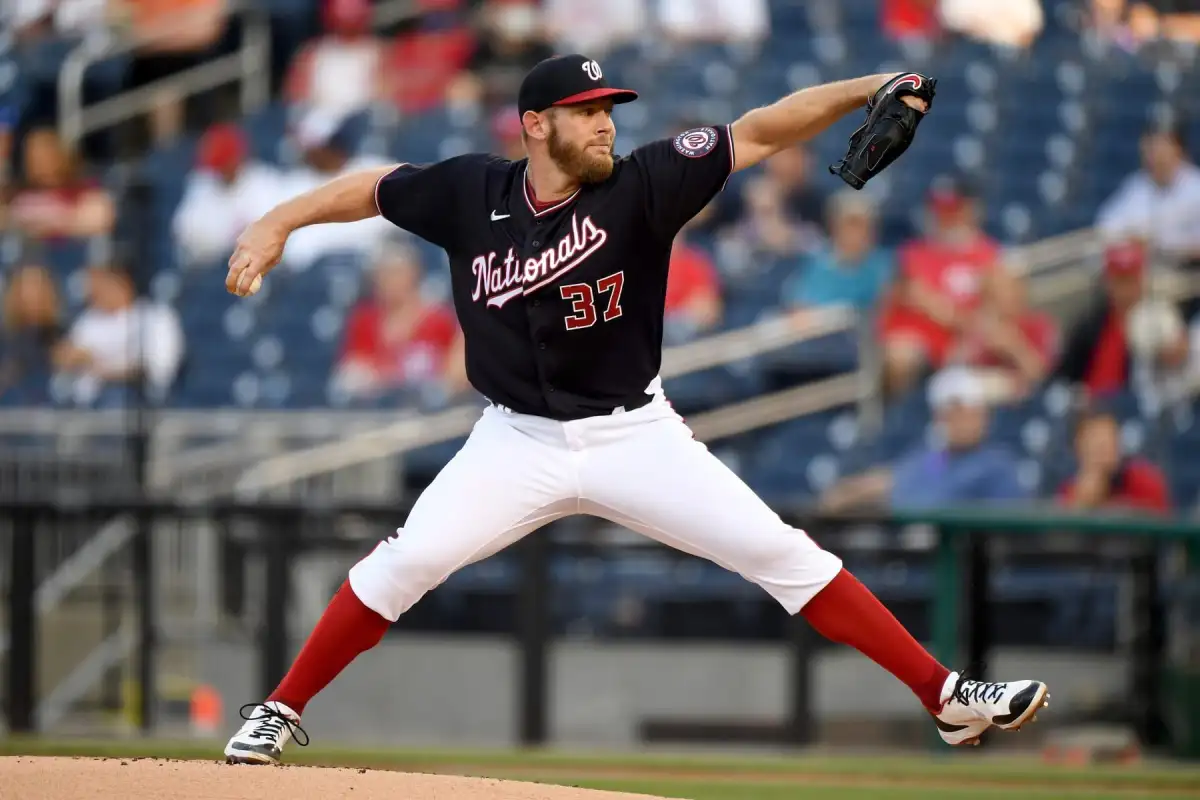
The historical data indicates that long-term contracts rarely align perfectly with a player's peak performance. While deals like the seven-year contract Max Scherzer signed with the Washington Nationals provided substantial returns, many front offices struggle to balance immediate needs with the inevitable physical decline of veteran athletes.
JUST IN: Historical failures often stem from teams overestimating a...
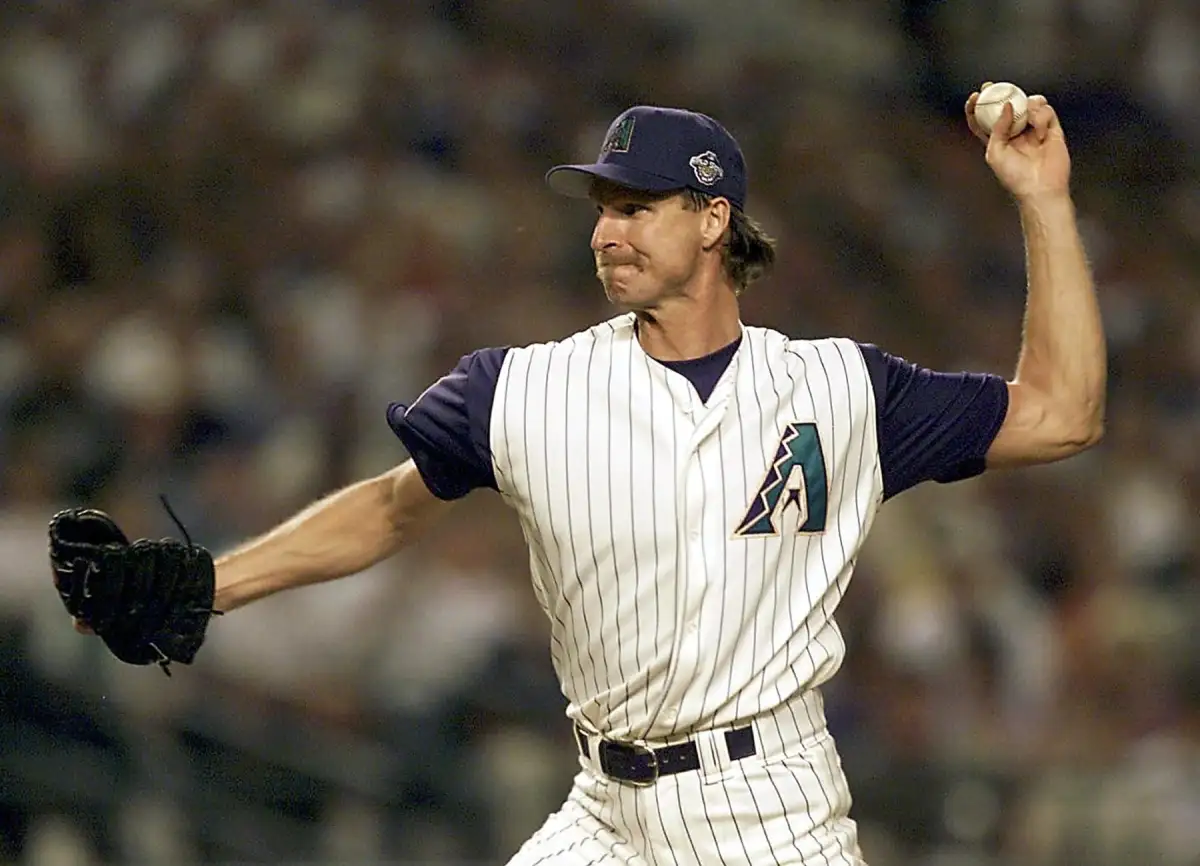
Historical failures often stem from teams overestimating a player's baseline in their final "walk year" before eligibility.
Organizations that rely heavily on large-scale spending without internal developmental systems often find themselves in extended rebuilding phases.
Institutional Friction
Changes in management, such as Craig Counsell’s move from the Milwaukee Brewers to the Chicago Cubs, demonstrate that human capital, not just roster players, represents a volatile market force.
The mechanism of free agency remains a primary point of contention between owners and the players' union. The decline of the players' total revenue share over recent years remains a core factor in collective bargaining disputes.
JUST IN: Evolution of Risk

"It's also true that many of the top free agents simply haven't performed and front offices are less willing to sign free agents with the same approach as five or 10 years ago."
Fifty years on, the industry has transitioned from speculative, big-money optimism to a more calculated, if apprehensive, market assessment. The high frequency of "worst-case" signings suggests that even with advanced data, predicting the endurance of a professional athlete remains fundamentally elusive. The current state of the game is marked by teams balancing incentive-laden deals against the pressure to deliver immediate championships, a tension that has remained consistent since the inception of the current labor framework.