The 2026 FIFA World Cup, set to unfold across Canada, Mexico, and the United States, will be the longest in the tournament's history, featuring a 48-team format and an increased number of matches. The expanded schedule, coupled with a multi-continental hosting arrangement for the 2030 edition, signals a significant departure from previous World Cup structures.
The upcoming 2026 tournament is slated to conclude on Sunday, July 19, 2026, with the final match designated for New York New Jersey. This event follows an opening fixture scheduled for Thursday, June 11, 2026, at the historic Mexico City Stadium. FIFA's deliberate scheduling aims to minimize travel burdens for participating teams and fans, prioritizing player rest and recovery throughout the extended competition. The expanded format, which doubles the number of participating teams, will see Africa, Asia, and CONCACAF receive substantially more qualification spots.
Read More: FIFA World Cup 2026 Revenue Reaches $15 Billion With New Ticket Prices
The preliminary dates for the 2030 World Cup, hosted across Spain, Portugal, and Morocco, with initial games in Argentina, Uruguay, and Paraguay, indicate a similar protracted duration. Reports suggest the tournament could commence on June 8/9 and conclude with the final on July 21. This arrangement marks the first time the World Cup will be spread across three continents.

Stadium Contention for 2030 Final
While Spain aims to host the final match of the 2030 World Cup, Morocco is also asserting its claim. Spain's hopes are currently pinned on Madrid's Estadio Santiago Bernabeu, which has a capacity of 84,744. However, Barcelona's Camp Nou presents a potentially larger venue with a capacity of 105,000. Morocco's proposed Grand Stade de Casablanca is projected to accommodate an even greater 115,000 spectators. The stance of the Royal Spanish Football Federation regarding the use of Barcelona's stadium remains unclear.
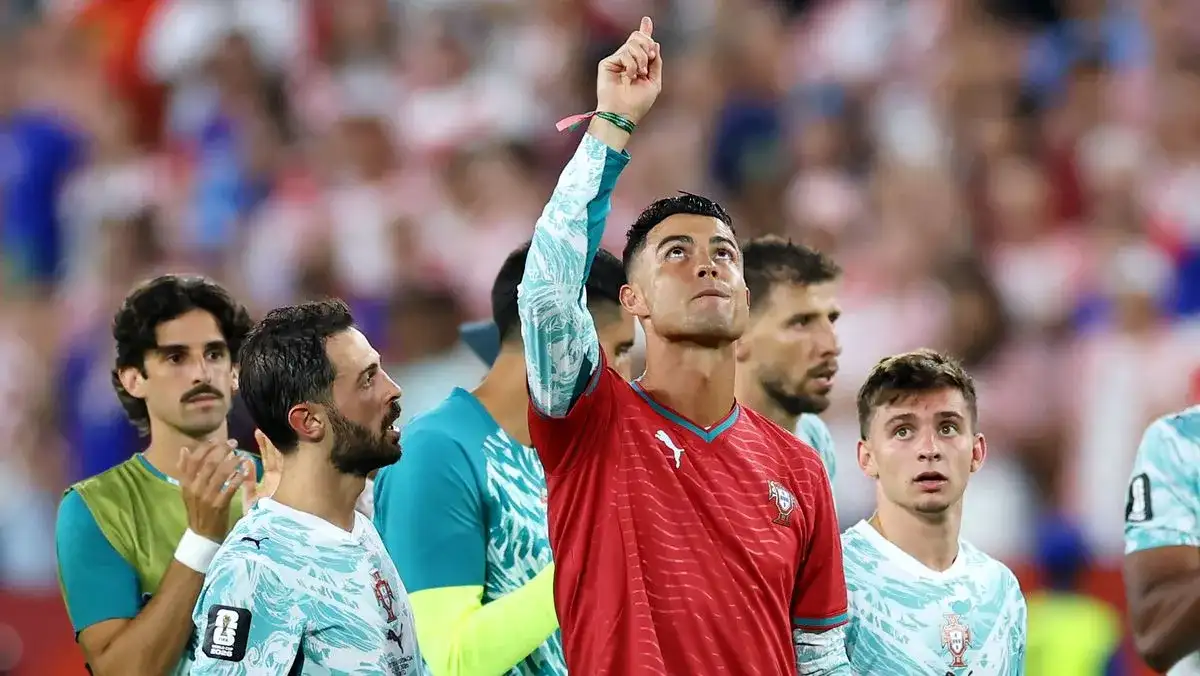
Read More: Ronaldo Honors Diogo Jota After Portugal Wins World Cup Match
2026 Tournament Expansion and Debut Nations
The 2026 World Cup marks a historic shift with a 48-team contingent, a substantial increase from previous editions. This expansion means that nations such as Cape Verde, Curaçao, Jordan, and Uzbekistan are poised to make their World Cup debuts. The tournament's infrastructure will span across numerous cities in Canada, Mexico, and the USA, including Toronto, Mexico City, and Los Angeles, which will host national teams' opening matches. The New York New Jersey venue, familiar with hosting major entertainment acts like Bruce Springsteen, Beyonce, Ed Sheeran, and Taylor Swift, will also stage five group stage games and knockout fixtures.
Broader FIFA Tournament Landscape
Beyond the senior men's World Cup, FIFA oversees a range of international competitions, including youth tournaments (FIFA U-20 World Cup, FIFA U-17 World Cup), women's youth competitions (FIFA U-20 Women's World Cup, FIFA U-17 Women's World Cup), club events (FIFA Club World Cup, FIFA Women's Club World Cup commencing in 2028), and variations like futsal and beach soccer. The qualification phase for the World Cup typically spans the three years preceding the main tournament.
Read More: England World Cup Match: Pubs Open Until 5 AM Monday