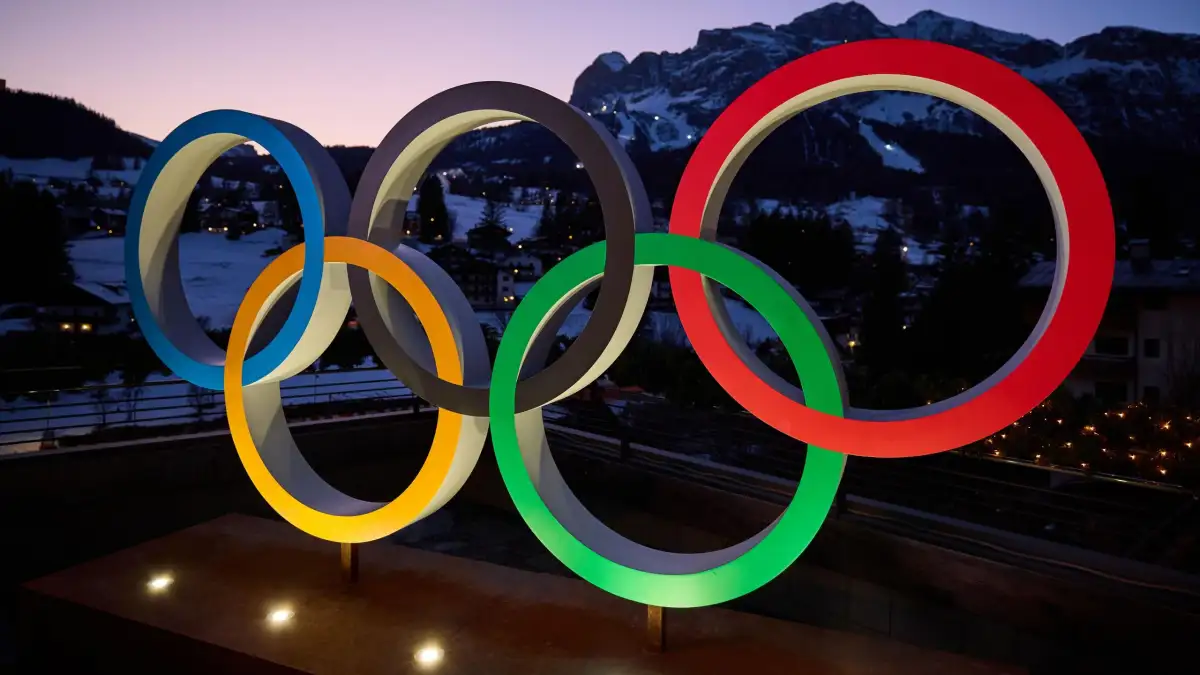
The 2026 Winter Olympics in Milano Cortina are just around the corner, promising a spectacle of athletic prowess and national pride. Yet, beneath the veneer of global unity and sporting achievement lies a complex web of broadcast rights and access, leaving many to ask: who is truly telling the story, and at what cost? While official sources assure comprehensive coverage, a deeper look reveals a fragmented landscape where viewership often hinges on subscriptions, geographical limitations, and even the digital contortions of VPNs.
"You will be able to watch every moment from Milano Cortina 2026 thanks to the Official Olympic Media Rights Holders." (Olympics.com)
This statement, while reassuring on the surface, begs further inquiry. What does "every moment" truly encompass, and for whom? In an era where information is both currency and weapon, the control over what the world sees of such a globally significant event warrants rigorous scrutiny. Are we being offered an unvarnished look at the Games, or a carefully curated narrative dictated by commercial interests and regional access?
Read More: FIFA World Cup 2026 Revenue Reaches $15 Billion With New Ticket Prices
A Global Stage, A Fragmented Screen
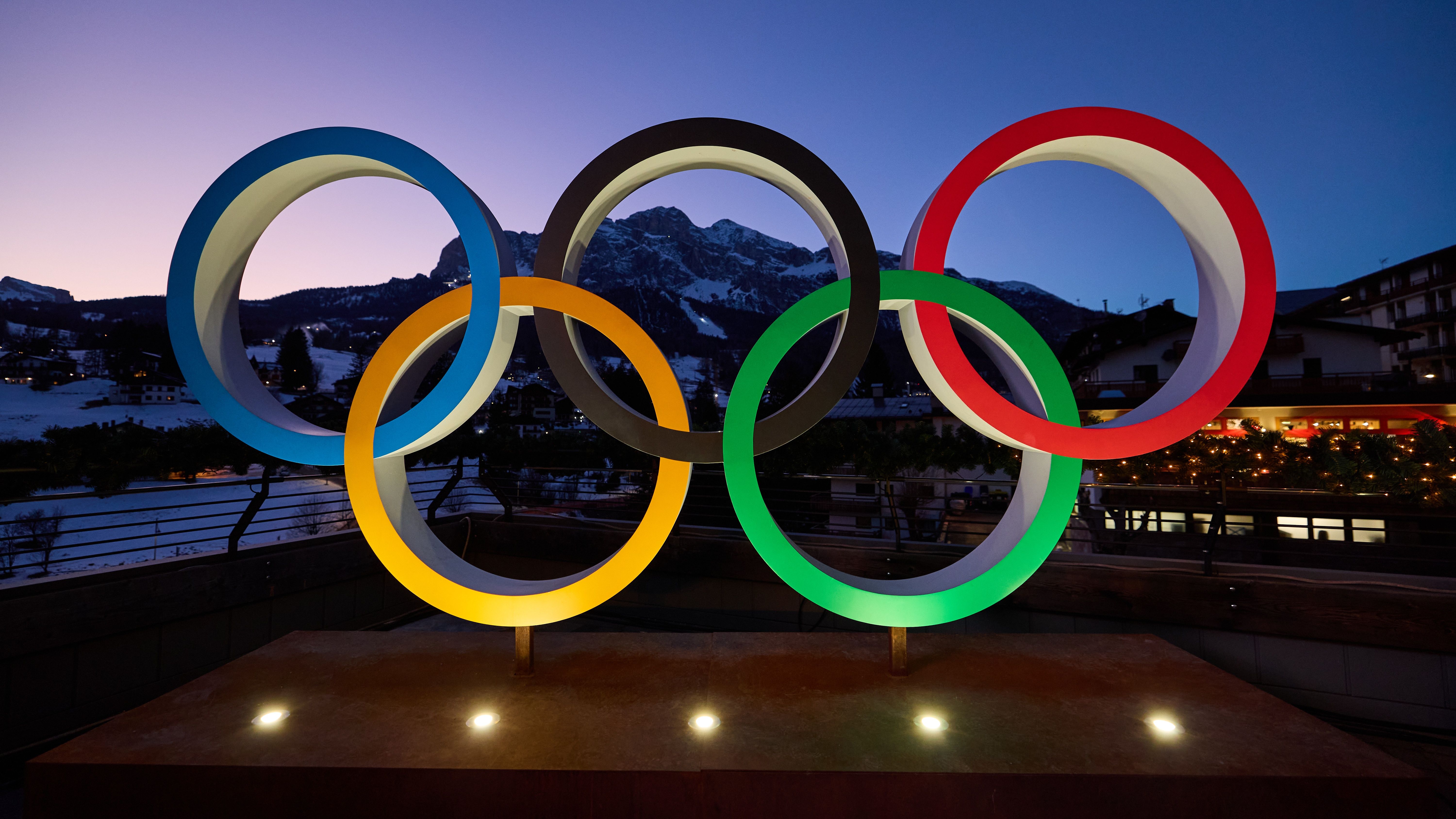
The dream of the Olympics has always been one of universal access, a shared experience that transcends borders. However, the reality of broadcasting the Milano Cortina 2026 Winter Games paints a starkly different picture. Millions across the globe will be left staring at black screens or encountering geo-restrictions, their ability to witness history-making moments dictated not by their passion for sport, but by their location and their willingness to pay.
Who Decides What You See? The official Olympics website (Olympics.com) lists a bewildering array of "Official Media Rights Holders," from major networks like NBCUniversal in the US and CBC in Canada, to regional broadcasters and streaming platforms across dozens of countries. But this list, while exhaustive in naming entities, offers little insight into the actual content each platform is licensed to show. Are these agreements truly equitable, or do they carve up the globe into exclusive viewing territories?
The Subscription Wall: For many, the primary barrier isn't geographical, but financial. While some free streams are available in certain regions (e.g., BBC iPlayer in the UK, 9Now in Australia, CBC Gem in Canada), a significant portion of the world's audience will need to subscribe to services like Peacock, discovery+, TNT Sports, or even bundle them with cable packages. This effectively creates a pay-to-play Olympics, where only those with disposable income can participate fully in the global conversation.
The VPN Gambit: The proliferation of Virtual Private Networks (VPNs) as a workaround for geo-blocking highlights a systemic issue. Services like Norton VPN and NordVPN are being actively marketed as solutions to watch the Olympics from "anywhere." But this raises crucial questions:
Is it ethical for broadcasters to enforce such strict geographical restrictions on an event intended to be a global celebration?
What does it say about the IOC's commitment to universal access when the primary solution for many is to circumvent territorial broadcast rights?
Are these VPNs entirely reliable, or do they expose users to potential security risks and the constant threat of being shut out?
"Unlock your stream with Norton VPN (60-day money back guarantee)" (TechRadar)
This marketing, while practical for the consumer, underscores a fundamental disconnect between the Olympic ideal and its commercial execution.
Past Echoes: A History of Broadcast Battles
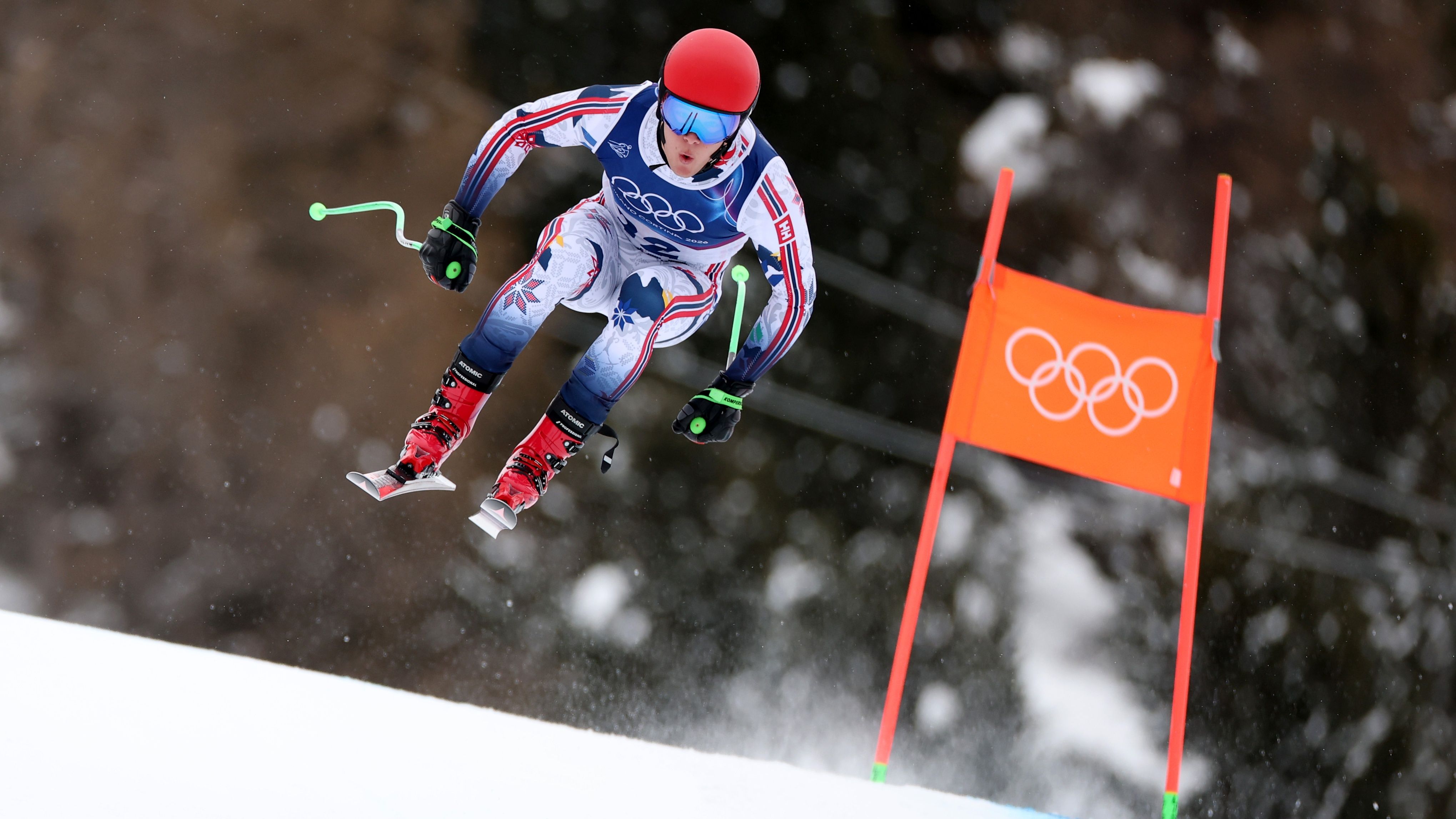
This year's fragmented viewing landscape is hardly an anomaly. The history of Olympic broadcasting is rife with similar power struggles and accessibility debates.
The Rise of Exclusive Rights: For decades, major networks have vied for and secured exclusive broadcast rights, turning the Olympics into a lucrative television product. This trend accelerated dramatically with the advent of satellite and digital broadcasting, allowing for more targeted and profitable market segmentation.
Controversies Over Access: Remember the outcry during the Rio 2016 Olympics when certain events were reportedly not broadcast live in some regions, or relegated to obscure streaming platforms? Or the ongoing discussions about whether the International Olympic Committee (IOC) adequately balances its commercial interests with its mandate for global inclusivity?
The Tokyo 2020 (held in 2021) Games saw similar discussions about which events were prioritized by broadcasters and the accessibility of live coverage for those outside major markets.
The Shifting Digital Frontier: The increasing shift towards streaming platforms, while offering convenience, has also created new layers of complexity. The need for multiple subscriptions, the reliance on robust internet connections, and the ever-present threat of platform changes mean that the viewing experience is more precarious than ever.
The historical pattern of exclusive broadcast rights and the ongoing challenges in ensuring universal access reveal that the "where to watch" question is less about logistics and more about the fundamental power dynamics shaping the Olympic spectacle.
Read More: UN Panel Warns AI Risks Grow Faster Than Science and Rules
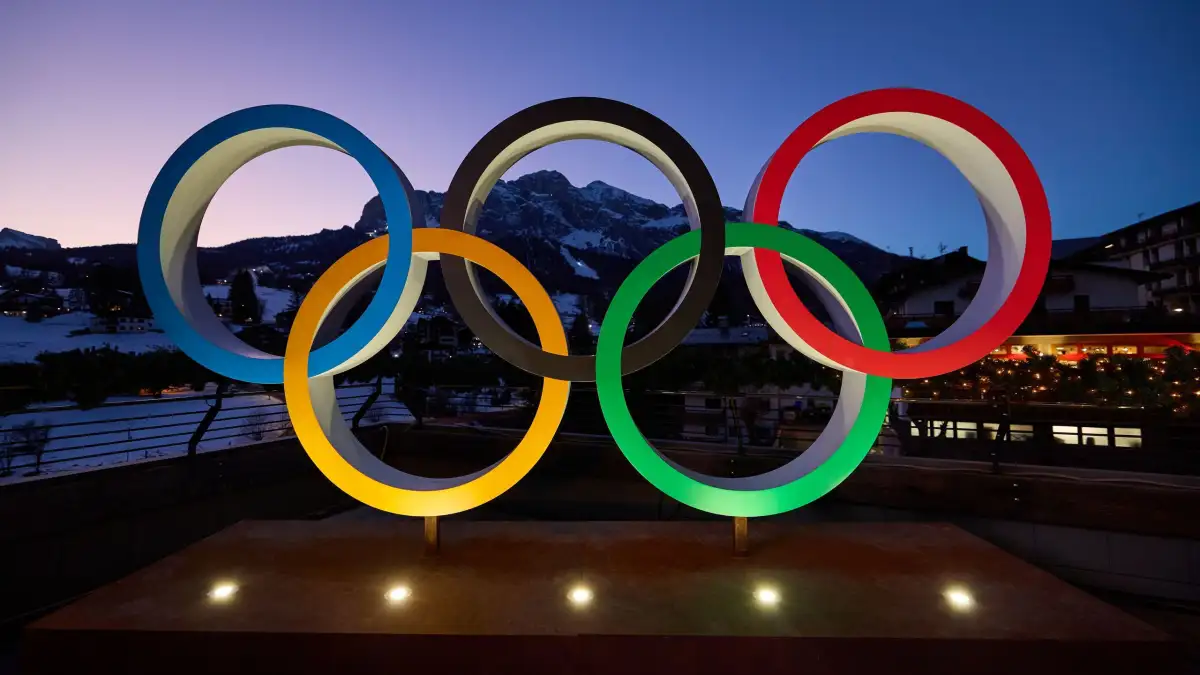
The Invisible Hand: Who Benefits Most?
When we talk about broadcast rights, we're talking about billions of dollars. This financial reality is the unseen engine driving the entire operation.
NBCUniversal's Dominance: In the United States, NBCUniversal holds the exclusive rights for the 2026 Winter Olympics, broadcasting across NBC, USA Network, CNBC, and streaming on Peacock, NBCOlympics.com, and the NBC app.
Peacock, NBC's streaming service, is positioned as the central hub for "every moment," but requires a subscription.
Users need to authenticate with existing cable or streaming subscriptions for access to NBCOlympics.com and associated apps, further gating the experience.
The European Landscape: In Europe, the picture is more varied. While some countries have free-to-air options like the BBC (UK) and ZDF (Germany), others rely on a patchwork of pay-TV channels and streaming services, often requiring discovery+ or TNT Sports.
This creates a curious situation where citizens of some nations have immediate, free access, while others must navigate a maze of subscriptions.
The Role of Technology Giants: Companies like Roku, Samsung, Amazon Fire TV, Apple TV+, Google TV, and Xbox are now integral to the viewing ecosystem. While they provide the platforms, they also become conduits for content delivery, raising questions about their own influence and data collection practices in the Olympic viewing experience.
| Region | Primary Broadcaster(s) | Streaming Platform(s) | Free Options Available? | Subscription Required? |
|---|---|---|---|---|
| USA | NBCUniversal | Peacock, NBCOlympics.com | Limited (via NBC app) | Yes (for full access) |
| UK | BBC, TNT Sports | discovery+ | Yes (BBC iPlayer) | Yes (TNT Sports) |
| Canada | CBC | CBC Gem | Yes | Yes (for some content) |
| Australia | Channel 9 | 9Now, Stan Sport | Yes (9Now) | Yes (Stan Sport) |
| Italy | RAI | HBO Max | Likely via RAI | Yes (HBO Max) |
| Germany | ZDF | ZDF, HBO Max | Likely via ZDF | Yes (HBO Max) |
Data and Personalization: What data are these platforms collecting from Olympic viewers? How is it being used, and to what end? In an age of hyper-personalization, are our Olympic experiences being shaped by algorithms designed to keep us engaged and, more importantly, spending?
"You can also stream live coverage through NBCOlympics.com, NBC.com, the NBC app and the NBC Sports app if you authenticate with a cable or streaming TV subscription." (CBS News)
This reliance on authentication speaks volumes about the controlled nature of access. It's not simply about watching; it's about proving you have the right to watch, a testament to the commodification of the Olympic narrative.
Beyond the Medals: What's the Real Story?
As athletes vie for glory on the ice and snow, the underlying story of access, control, and commercialization continues to unfold.
The IOC's Tightrope Walk: The International Olympic Committee (IOC) faces a constant challenge: maintaining the sporting integrity and aspirational spirit of the Games while securing the massive funding required to stage them. The sale of broadcast rights is a cornerstone of this funding model. But at what point does the pursuit of revenue undermine the very universality that makes the Olympics special?
The Athlete's Voice: How does this fragmented broadcast landscape impact the athletes themselves? Do they feel their achievements are being seen and appreciated by a truly global audience, or by a collection of siloed markets? Does the emphasis on certain events by rights-holders for maximum viewership skew the public's perception of the Games?
The Viewer's Dilemma: Ultimately, the responsibility falls on the viewer to navigate this complex ecosystem. Are we passive consumers, or can we become more critical observers?
Do we question the opaque nature of broadcast rights deals?
Do we understand the implications of relying on VPNs to bypass restrictions?
Do we advocate for greater transparency and accessibility in future Olympic broadcasts?
The seemingly mundane act of finding out "where to watch" the Olympics is, in fact, a critical entry point into understanding the immense commercial and logistical forces that shape global sporting events.
Conclusion: The Unseen Broadcast
The 2026 Winter Olympics will undoubtedly be a magnificent display of human achievement. However, as we tune in, it's crucial to remain aware of the intricate and often exclusionary system that determines how we watch. The promise of "every moment" is, for many, a carefully guarded privilege, mediated by subscriptions, geography, and the ever-present influence of broadcast rights holders.
Read More: England World Cup Match: Pubs Open Until 5 AM Monday
The reliance on VPNs, the tiered access, and the varying levels of free versus paid content highlight a growing disparity. This isn't just about sports; it's about information access, global participation, and the potential for commercial interests to shape our collective experience of significant cultural events.
Next Steps:
Demand greater transparency from the IOC and broadcast partners regarding broadcast rights agreements and viewership demographics.
Support initiatives that advocate for more equitable global access to Olympic coverage.
Critically analyze the content we consume, understanding the potential biases introduced by commercial imperatives.
Question the narrative presented by rights-holders and seek out diverse perspectives on the Games.
The Olympics aim to unite the world, but the broadcast landscape often serves to divide it. It’s time we looked beyond the podiums and scrutinized the powerful forces orchestrating what we see, and more importantly, what we don't.
Sources:
Olympics.com: https://www.olympics.com/en/milano-cortina-2026/where-to-watch-olympic-games-live
CBS News: https://www.cbsnews.com/news/where-you-can-watch-the-2026-winter-olympics-live/
The Independent: https://www.independent.co.uk/sport/winter-olympics/winter-olympics-2026-live-stream-tv-channel-b2915332.html
NBC Olympics: https://www.nbcolympics.com/news/how-watch-2026-milan-cortina-winter-olympics-tv-and-stream-info-schedule
Tom's Guide: https://www.tomsguide.com/entertainment/sports/-watch-2026-winter-olympics-milano-cortina-free
TechRadar: https://www.techradar.com/how-to-watch/sport/winter-olympics-2026-milano-cortina-free
ZDNet: https://www.zdnet.com/home-and-office/home-entertainment/how-to-watch-the-2026-winter-olympics/
Goal.com: https://www.goal.com/en/news/watch-stream-winter-olympics-from-anywhere/blt16593e5151fb31d1
Business Insider: https://www.businessinsider.com/guides/streaming/where-to-watch-winter-olympics-2026-v2