


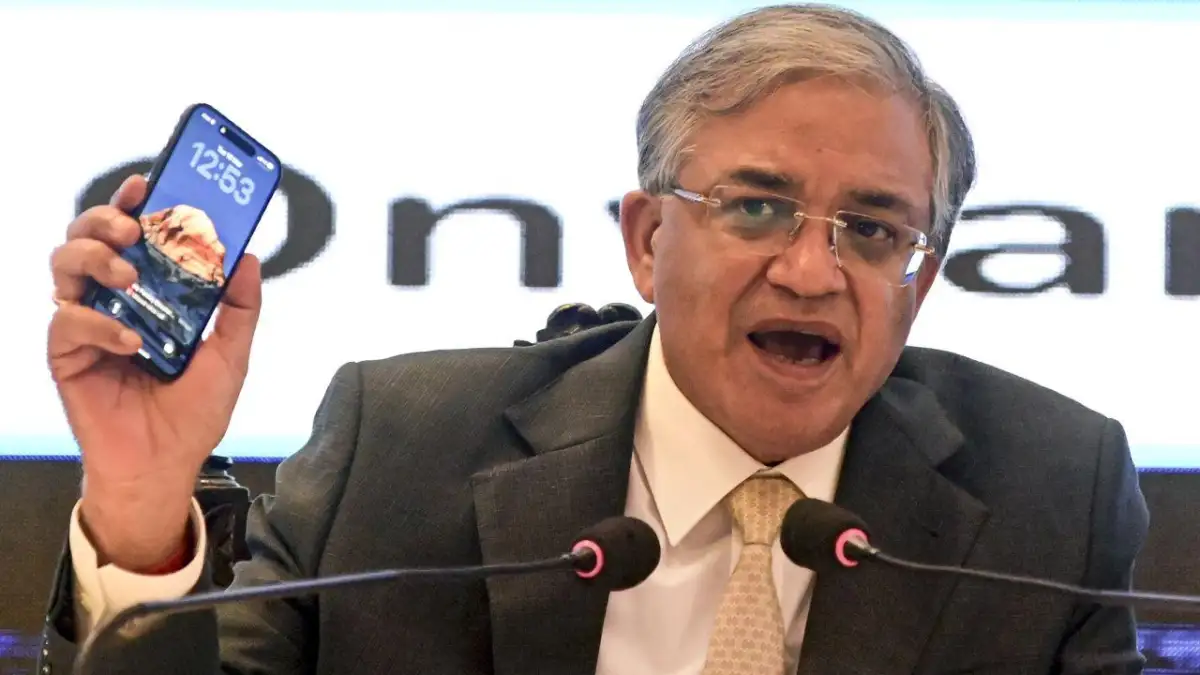
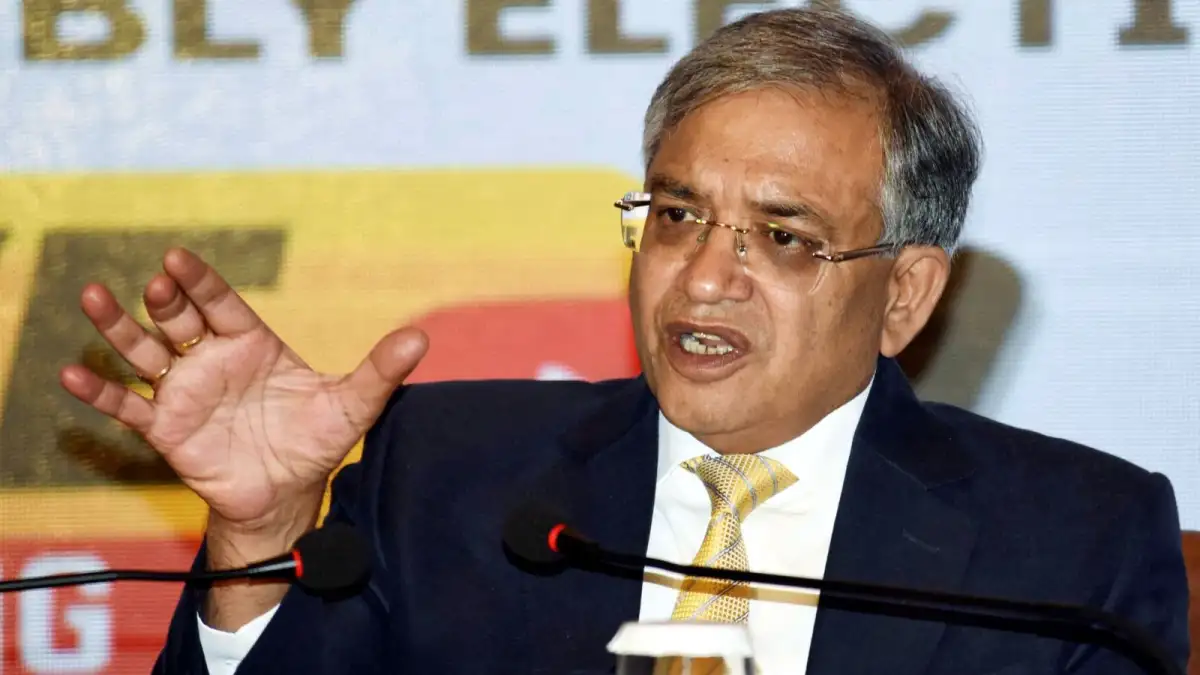
A significant bloc of opposition lawmakers, numbering 193 MPs, have formally lodged notices in both the Lok Sabha and Rajya Sabha, demanding the removal of Chief Election Commissioner (CEC) Gyanesh Kumar. This unprecedented move, articulated through separate submissions to the presiding officers of each House, marks the first instance of such a notice being filed against a CEC. The opposition cites alleged "partial conduct" and points to his handling of electoral roll revisions, particularly in Bihar, as key grounds for their action.
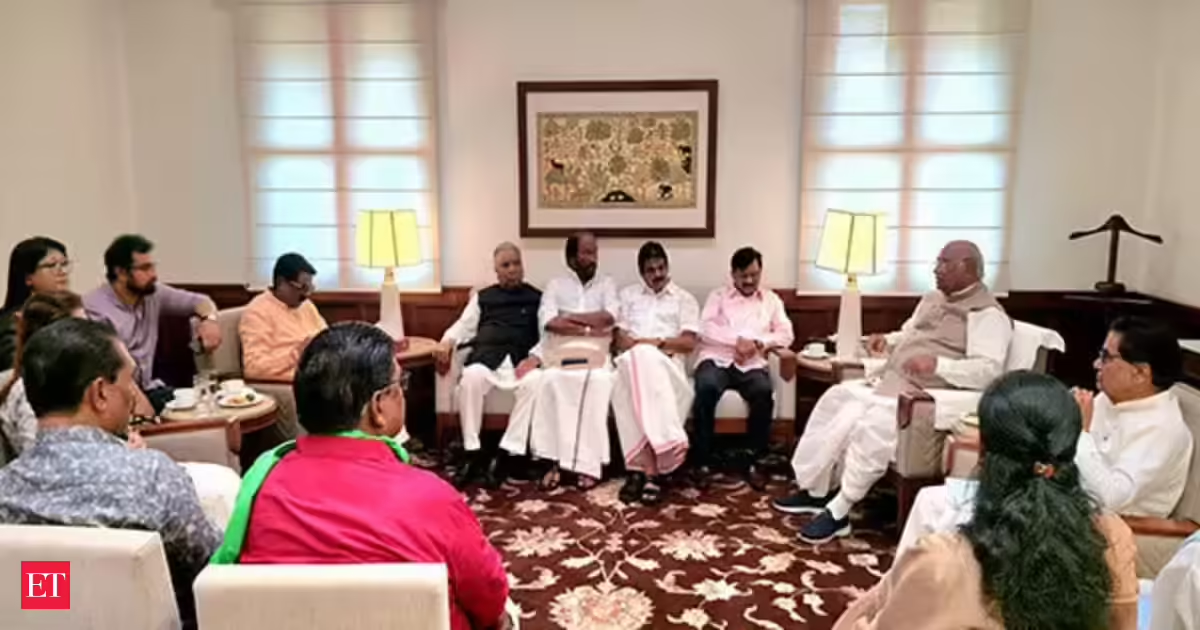
The opposition's push to oust the CEC comes amidst the ongoing Budget session, which has seen other parliamentary proceedings, including the passage of the Supplementary Demand for Grants in the Lok Sabha. Finance Minister Nirmala Sitharaman presented the Appropriation Bill, 2026, to authorize further sums from the Consolidated Fund of India for the financial year 2025-26, a process that also encountered opposition protests leading to Lok Sabha adjournments.
Read More: Trump says Iran conflict will end soon, Iran shows off missile bases
Grounds and Process of Removal
The move to remove the CEC is framed as a challenge to the impartiality of the Election Commission. While specific charges beyond "partial conduct" and electoral roll revision are mentioned, the exact nature of the "six other 'charges'" remains vague in initial reports. The constitutional and legal framework for removing a CEC is stringent, mirroring the process for a Supreme Court judge.
Constitutional Mandate: Article 324(5) of the Constitution stipulates that a CEC cannot be removed except through a process similar to the impeachment of a Supreme Court judge.
Statutory Provisions: The Chief Election Commissioner and other Election Commissioners (Appointment, Conditions of Service and Term of Office) Act, 2023, further details that removal must be on the same grounds as those applicable to a Supreme Court judge.
Procedure: Should the notice be admitted by the Speaker or Chairman, a three-member committee – typically comprising a Supreme Court judge, a Chief Justice of a High Court, and a distinguished jurist – would be constituted to investigate the allegations.
Political Undertones and Skepticism
Beyond the procedural mechanics, the opposition's action is seen by some within Parliament as a strategic maneuver, potentially tied to upcoming political contests. Speculation exists about whether the intensity of this push will persist post-elections, particularly after the West Bengal elections. Some lawmakers view the entire episode as poll optics, questioning its long-term efficacy. The inclusion of the TMC in backing the move, contingent on reciprocal support, adds another layer to the political calculus.
Read More: India women voters increase but fewer women in parliament since 2019

Parliamentary Backdrops
The Budget session itself has been punctuated by disruptions, with opposition members protesting and raising slogans, leading to several adjournments. The Lok Sabha, in particular, saw its proceedings halted multiple times due to these disturbances. Amidst these tensions, other parliamentary activities have unfolded, including discussions on ministries and committee reports in the Rajya Sabha, and a separate notice by AAP MP Sanjay Singh concerning LPG shortages and rising gas prices. The Appropriation Bill, 2026, which seeks to authorize further expenditure from the Consolidated Fund of India for the financial year 2025-26, was passed in the Lok Sabha via a voice vote.